

PortugalTravel Guide
Our Portugal guides, from our own trips: Lisbon and the day trips from it, and the Azores, with prices, opening hours and the best times to go.

Lisbon and day trips


São Miguel, Azores

12 Best Viewpoints on São Miguel, Azores You Shouldn't Miss
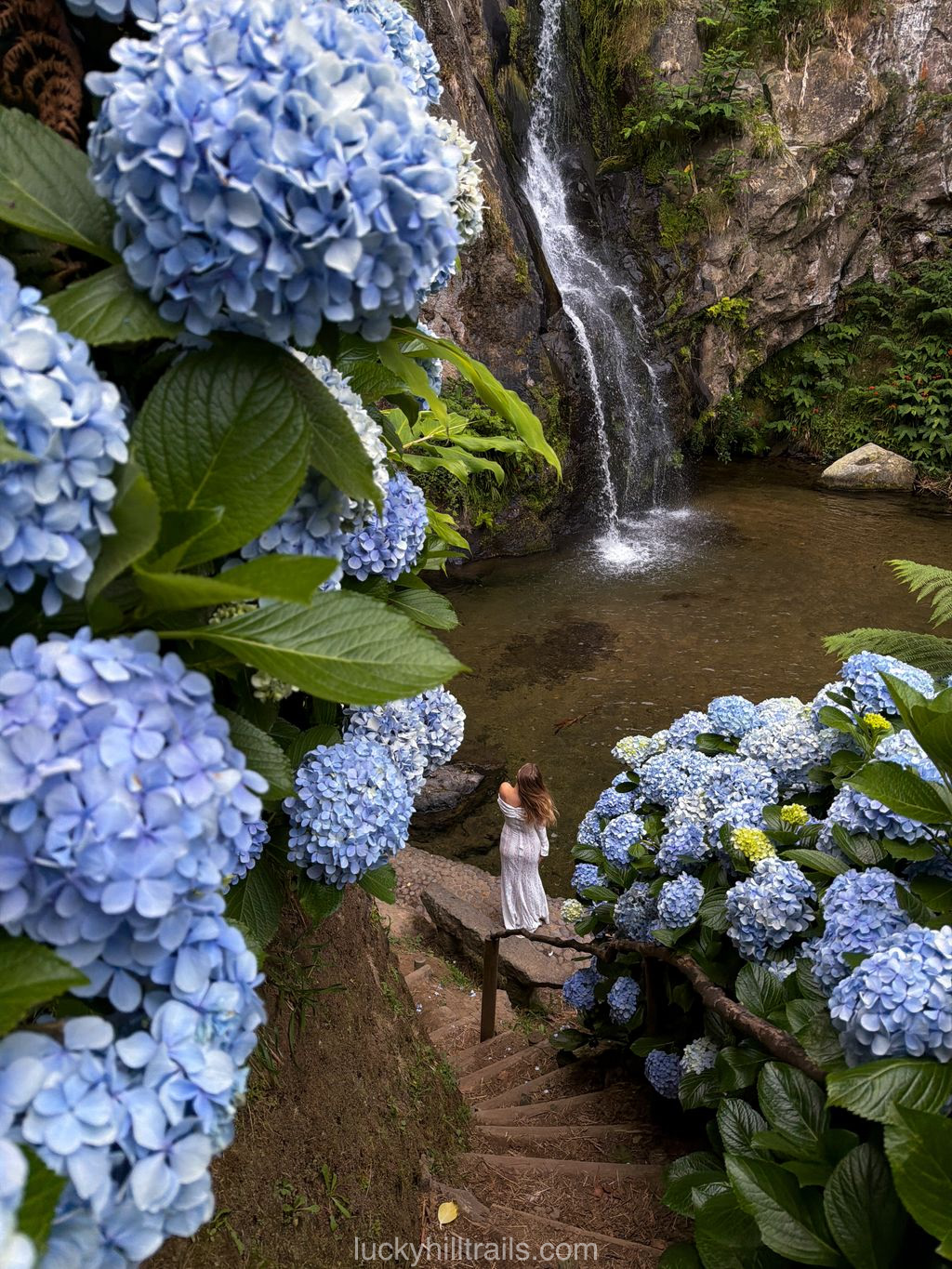
5 Best Waterfalls on São Miguel, Azores You Shouldn't Miss
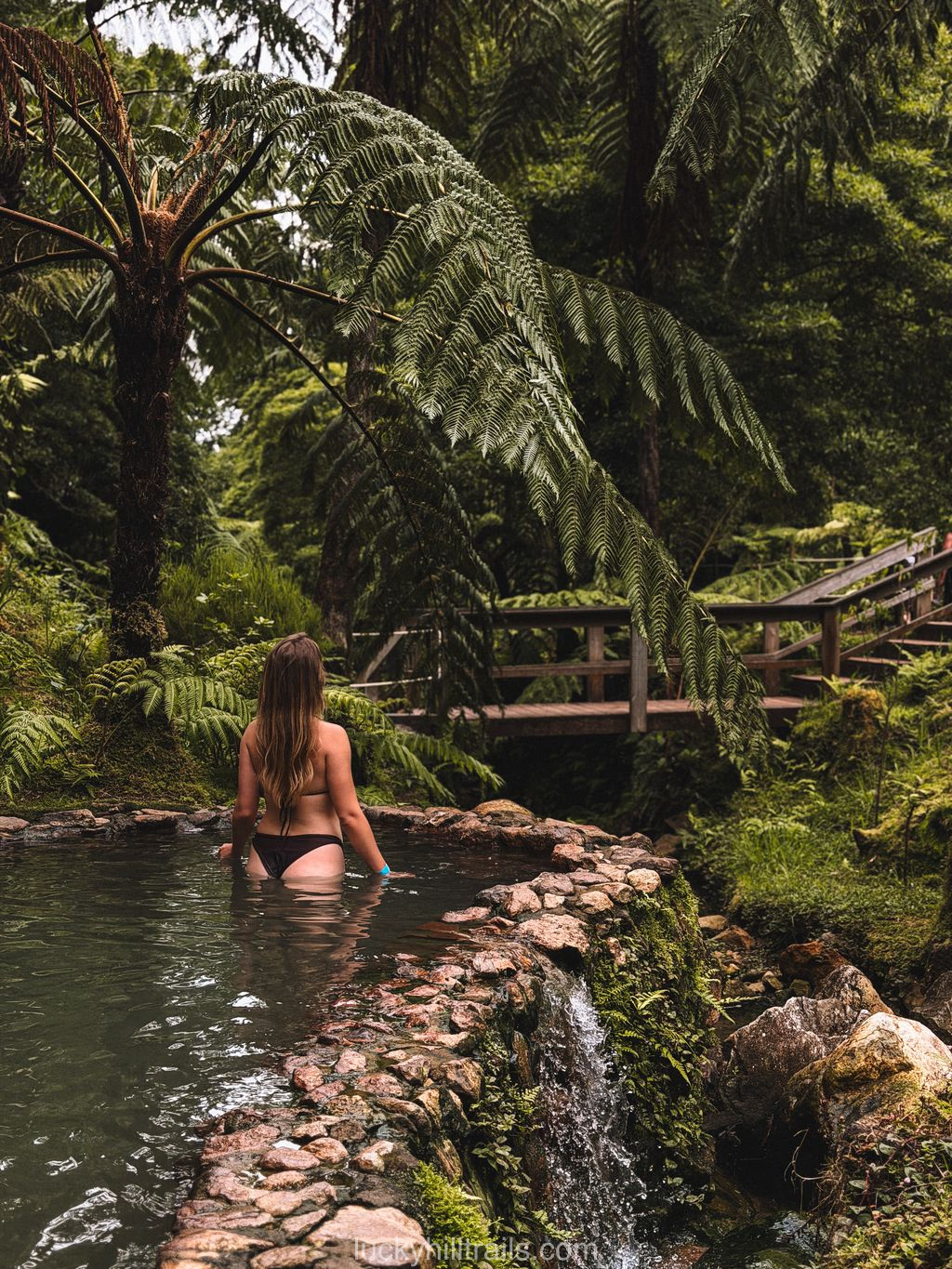
5 Best Hot Springs on São Miguel, Azores You Shouldn't Miss
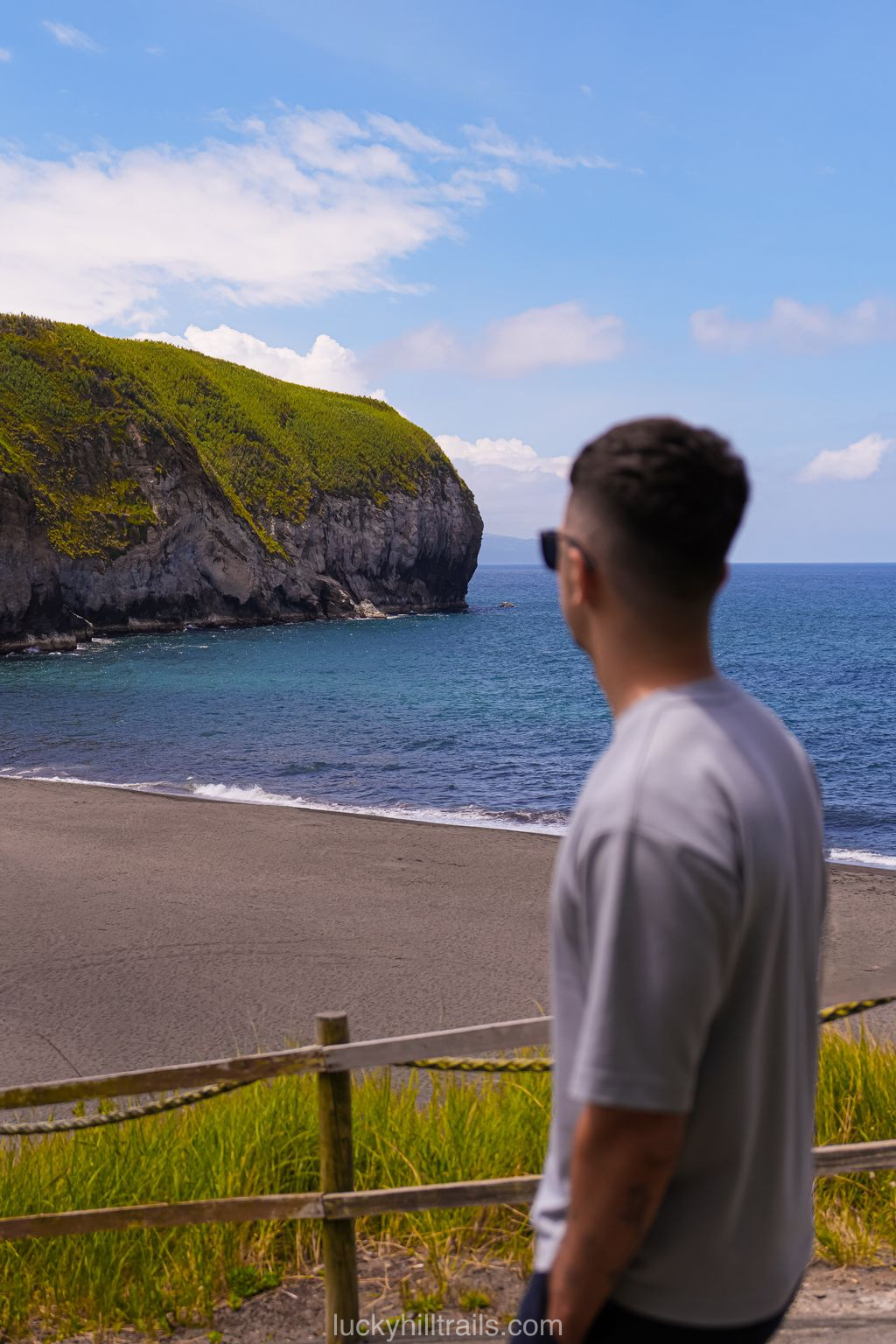
5 Best Beaches on São Miguel, Azores

Best Places to See Hydrangeas on São Miguel, Azores
How to plan a trip to Portugal
Portugal can mean very different trips: Lisbon with day trips to Sintra and Cabo da Roca, or São Miguel in the Azores, an island of crater lakes, waterfalls and hot springs. Below is what to read first for each, and the practical details worth knowing before you book.
Lisbon
Our Tram 28 guide maps the sights along the route, which threads through Graça, Alfama, Baixa and Estrela. The best photo spot for the tram is Largo das Portas do Sol in Alfama: come before 9am or at golden hour, and wait, since trams pass every 10-15 minutes. Belém is a separate trip, about 6 km west of the centre.
For views over the rooftops, our guide to Lisbon’s viewpoints covers five miradouros. Santa Luzia and Portas do Sol are a few dozen meters apart in Alfama, Miradouro da Graça has one of the widest panoramas in the city, and Santo Amaro, near Belém, is the quiet one for a sunset over the Ponte 25 de Abril.
Day trips: Sintra and Cabo da Roca
Both are about 40 minutes from Lisbon: Sintra by train, Cabo da Roca by taxi. For Sintra, take the train from Rossio (around €5), then bus 434, which loops between the palaces (€10.96 for 24 hours). Book Pena Palace online a few days ahead, since buying on the day is practically impossible; our favourite, though, was Quinta da Regaleira. Give Sintra a full day.
Cabo da Roca, the westernmost point of continental Europe, is a 40-minute bus ride from Sintra, so many travelers combine the two. From central Lisbon, a Bolt or Uber costs about €30 one way. Bring a light jacket: the cape is windy even in warm weather.
São Miguel, Azores
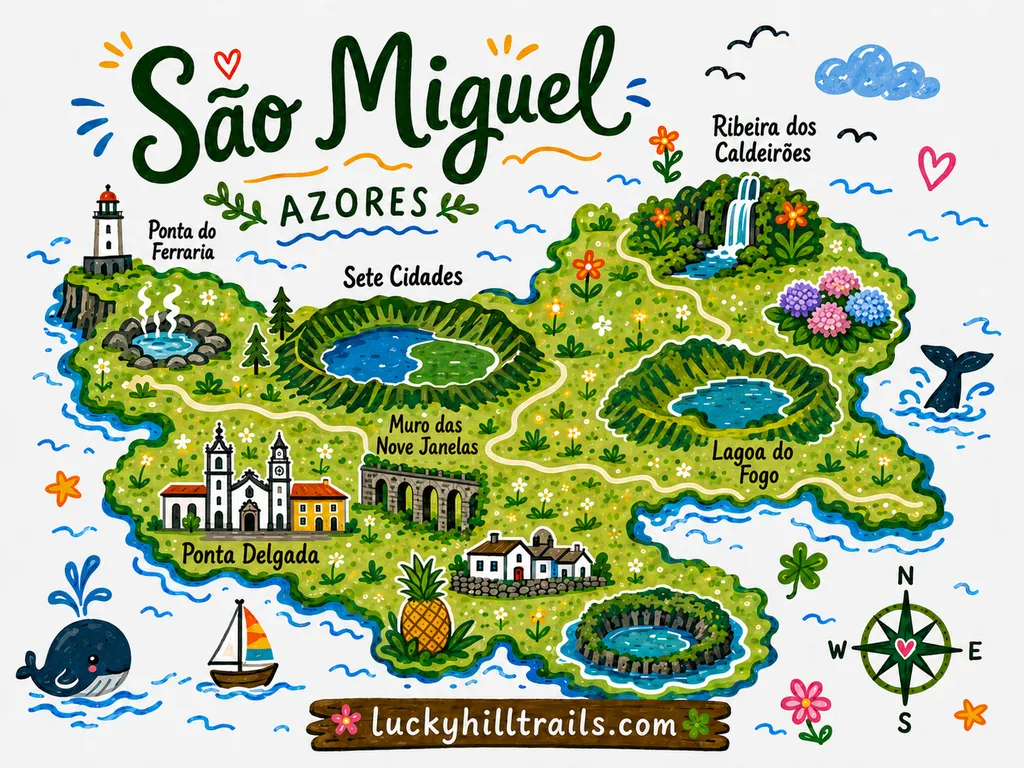
On São Miguel the weather decides the day. Before driving up to a viewpoint, check the SpotAzores webcams: the same place can go from thick fog to a clear view in half an hour. Our 12 best viewpoints start with Vista do Rei, over the two Sete Cidades lakes.
For a swim at a waterfall, go to Cascata do Limbo, our favourite of the 5 best waterfalls. For warm water, the hot springs guide compares prices and hours, from Poça da Dona Beija in Furnas, open until 23:00, to Ponta da Ferraria, a free thermal pool in the ocean. The beaches guide covers where to swim (Água D’Alto), where to surf (Santa Bárbara) and where to watch the sunset (Mosteiros).
When to go to São Miguel
The hydrangeas bloom from late June to September, peaking in July and August, and the waterfalls look their best in hydrangea season. To find everything on the island, we put 130+ places we visited on São Miguel into a Google Map.
✨ Quick Facts
Don't just read about it – go!
Frequently Asked Questions
What is the best time to visit Portugal?
Spring (April-June) and early autumn (September-October) are ideal: warm weather, fewer crowds, and lower prices. July and August are peak season, especially in the Algarve. Lisbon and Porto can be visited year-round thanks to their mild climate.
Do I need a visa to visit Portugal?
Portugal is part of the Schengen Area. EU citizens can enter freely. Citizens of the US, UK, Canada, and Australia can visit visa-free for up to 90 days within a 180-day period. Visa rules change, so check official sources before planning your trip.
Is Portugal expensive to travel?
Portugal is one of Western Europe's more affordable destinations. A meal at a local restaurant (tasca) typically costs €8-15, and accommodation ranges from €40-80 per night for a mid-range option. The Algarve can be pricier in summer.
Is Portugal safe for tourists?
Portugal is one of the safest countries in Europe. Petty theft in crowded tourist areas (especially in Lisbon's Alfama and Baixa districts) is the main concern - keep an eye on your belongings.
Do people speak English in Portugal?
English is widely spoken in hotels, restaurants, and tourist areas, especially among younger people. In rural regions it is less common, but locals are generally very helpful.