This isn’t a universal “perfect itinerary” — it’s a plan built from places we actually visited and have already covered in detail in our Japan guides. We just fit them into 14 days instead of 18, keeping the same logic: Tokyo → Fuji → Osaka → Kyoto → Tokyo.
Our 14-Day Japan Itinerary
We’re counting 14 days including the arrival and departure days:
- Days 1–3 — Tokyo. First taste of the city: Shibuya, Asakusa, Shinjuku.
- Days 4–5 — Fuji. Viewpoints around Fuji, biking around Lake Kawaguchiko.
- Days 6–8 — Osaka. Osaka itself, a day at Universal Studios Japan, a day in Nara.
- Days 9–11 — Kyoto. The temples of Higashiyama, Fushimi Inari, Kinkaku-ji, a day in Arashiyama.
- Days 12–14 — Tokyo. Back on the shinkansen, then the last days for shopping.
Day by Day
Day 1: Arrival and Shibuya
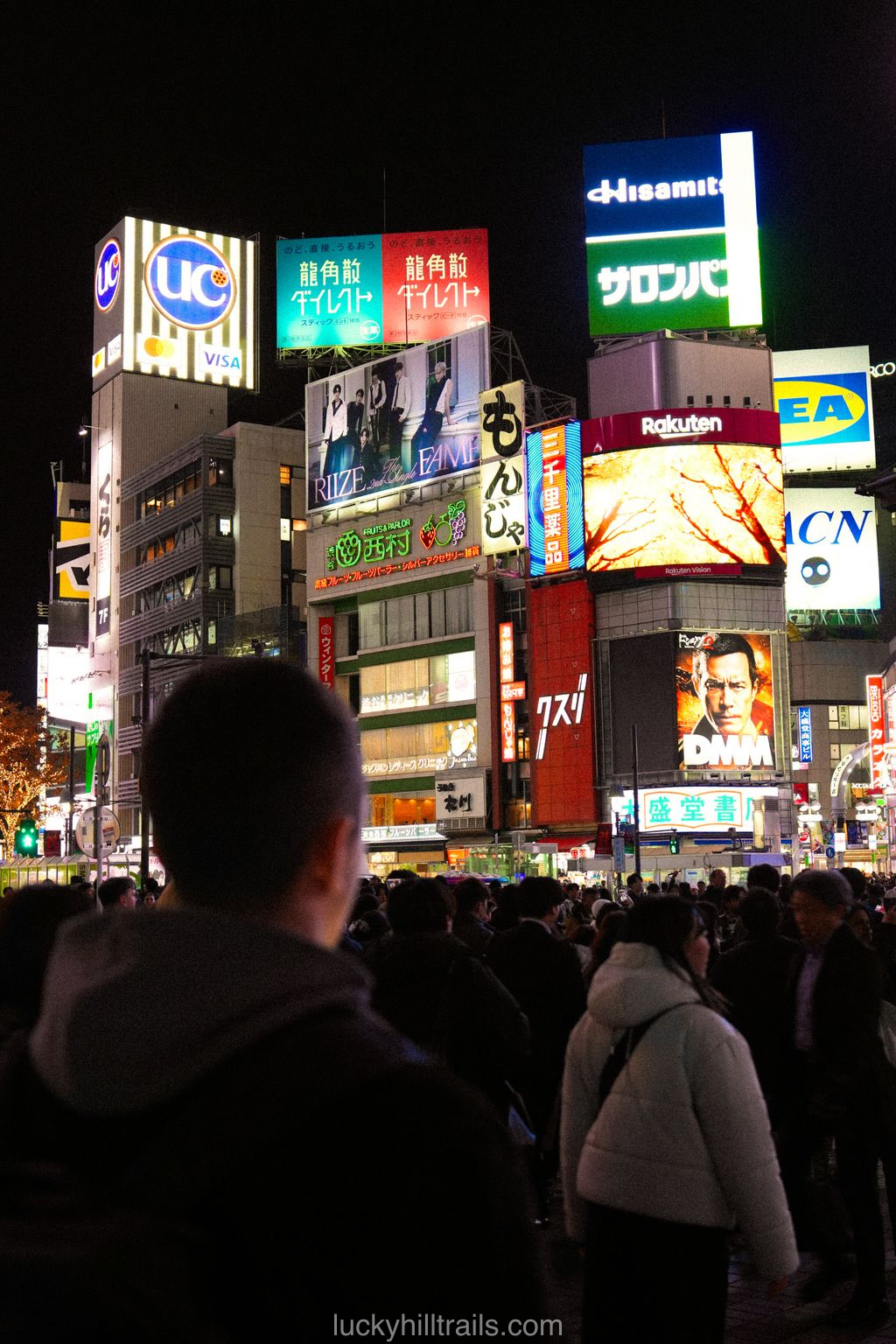
Fly into Haneda Airport (HND) and head to check in — it’s best not to plan anything major on day one, especially after a long flight. In the evening, walk over to Shibuya Crossing — the most famous pedestrian crossing in the world — then head up to the Shibuya Sky observation deck to see that same intersection and all of Tokyo from above. It’s open until 10:30 p.m. (last entry at 9:20 p.m.), and the best time is sunset: first the city in warm tones, then an hour later, Tokyo at night. The full list of Tokyo spots and practical tips is in our Tokyo guide.
 Tip: book Shibuya Sky tickets ahead of time, and leave large bags in a locker near the station — they’re awkward to carry on the deck itself.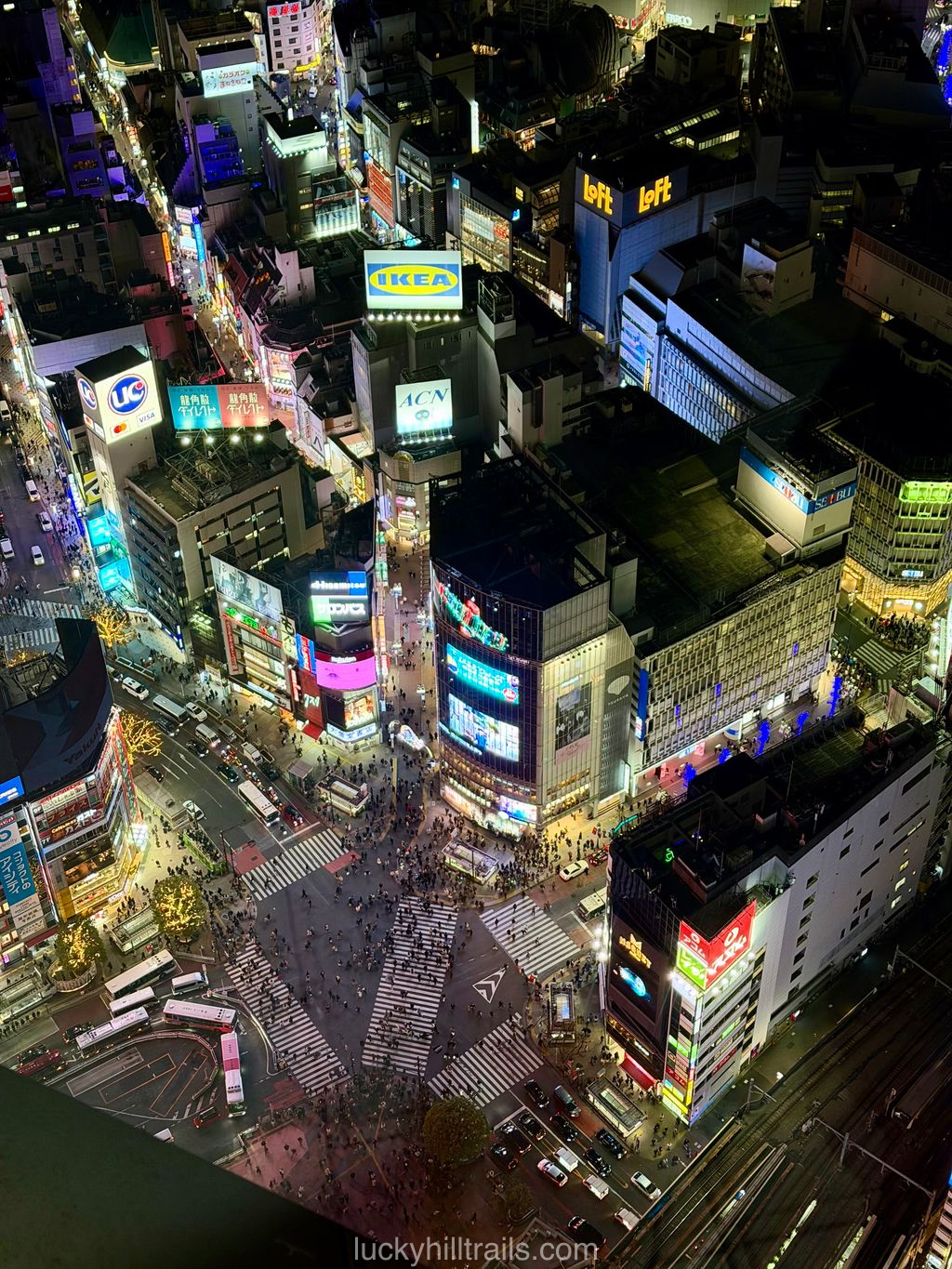
Day 2: Asakusa, Tsukiji Market, and Tokyo Skytree
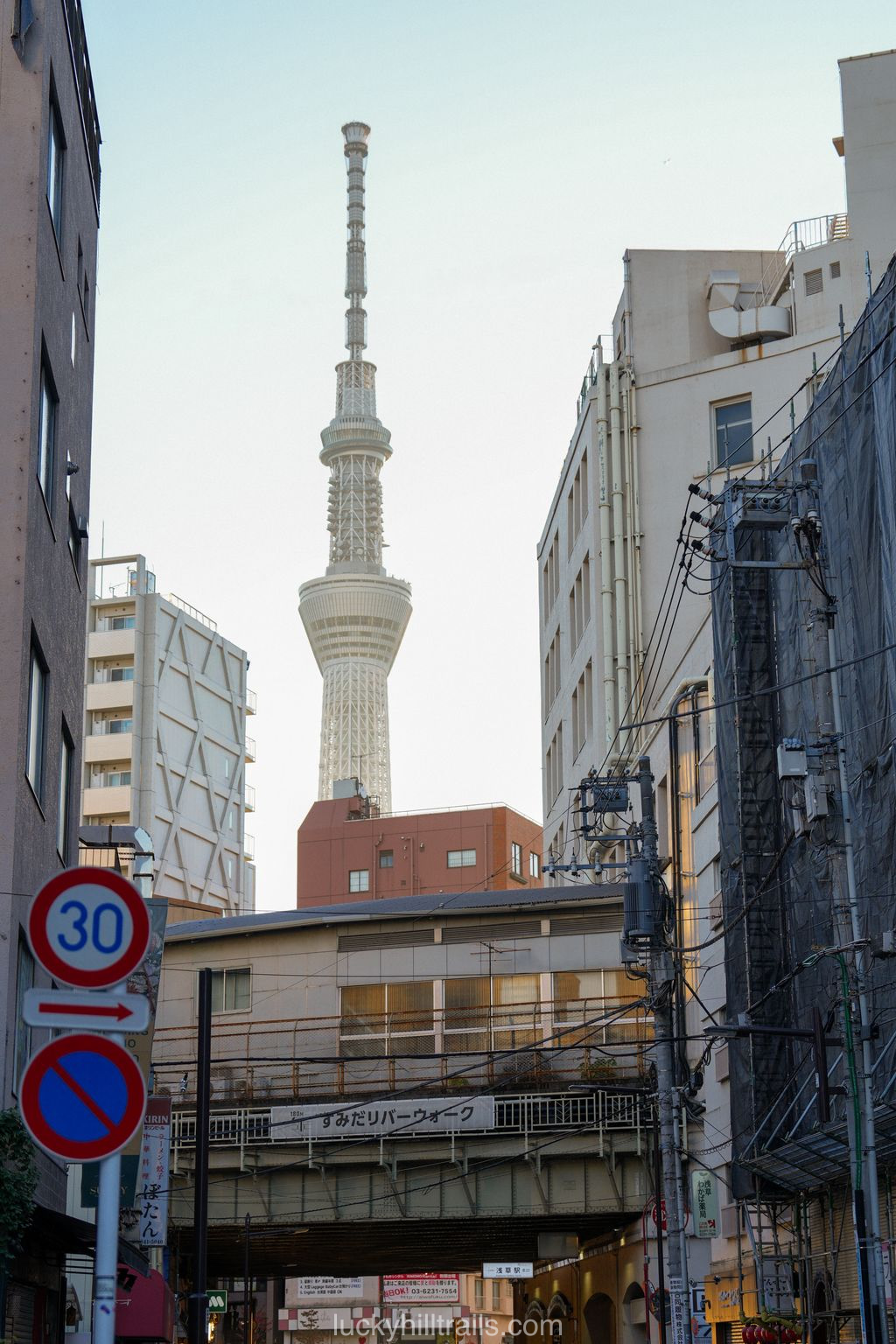
Start the morning in Asakusa at Sensō-ji — Tokyo’s oldest temple. Walk through the Kaminarimon gate with its giant red lantern, then down Nakamise Street, lined with sweets and souvenirs. For lunch, head to Tsukiji Outer Market: try tamagoyaki, grilled unagi, takoyaki, or daifuku. In the evening, go up Tokyo Skytree — one of the tallest towers in the world, open until 10 p.m. (last entry around 9 p.m.).
Tip: it’s best to visit Tsukiji in the morning — the food selection is biggest and there are fewer tourists.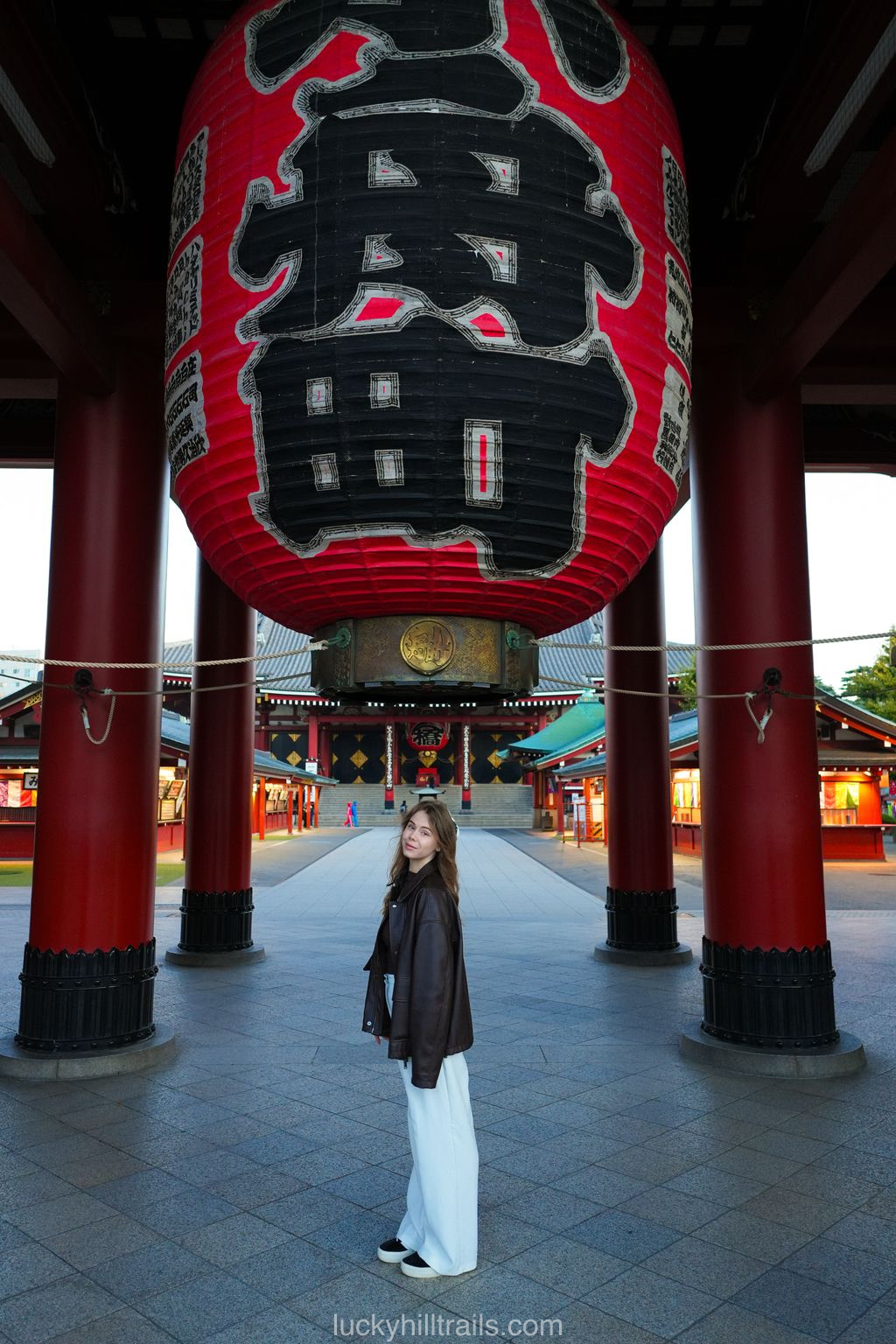
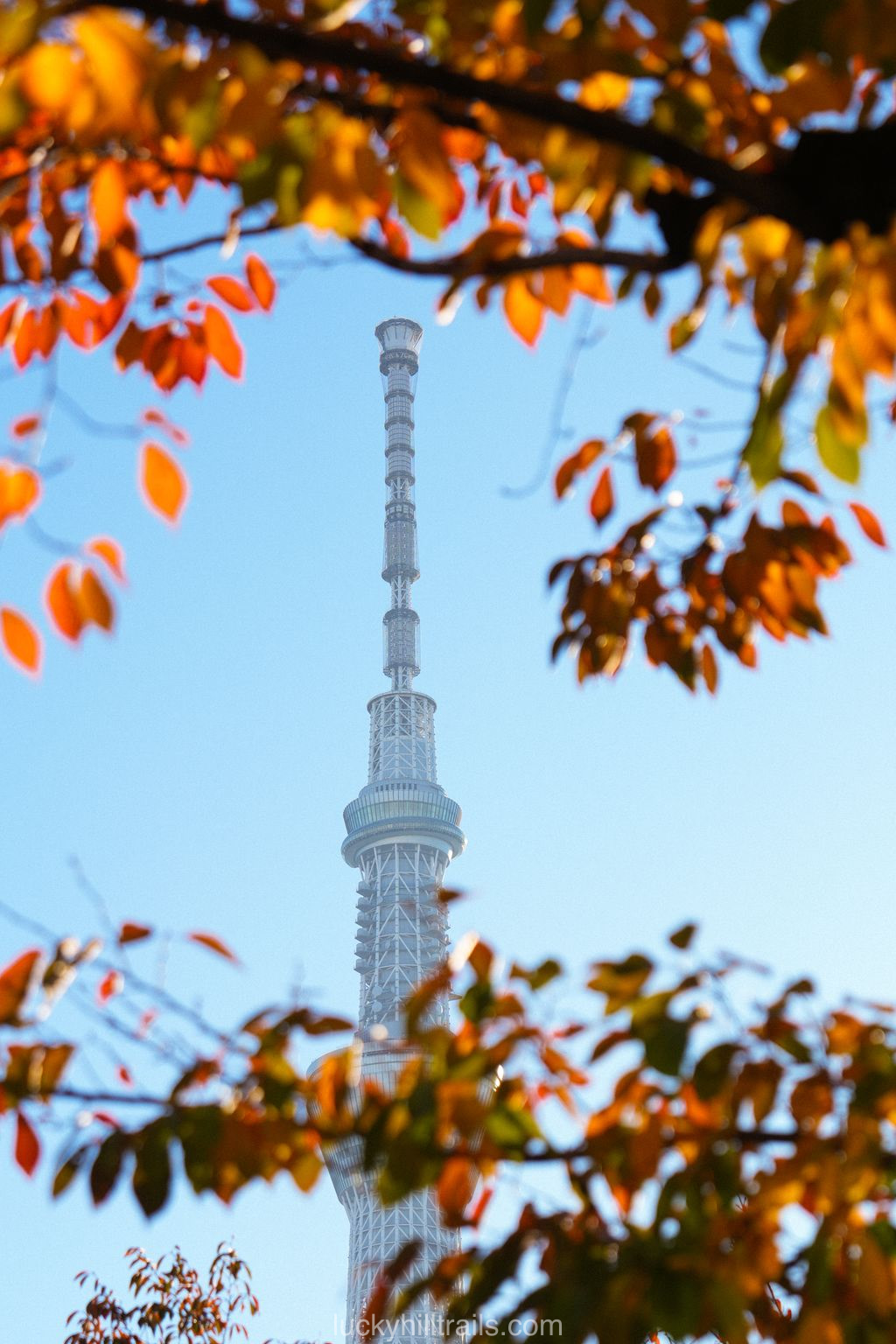
Day 3: Meiji Shrine, Shinjuku Gyoen, and Nighttime Shinjuku
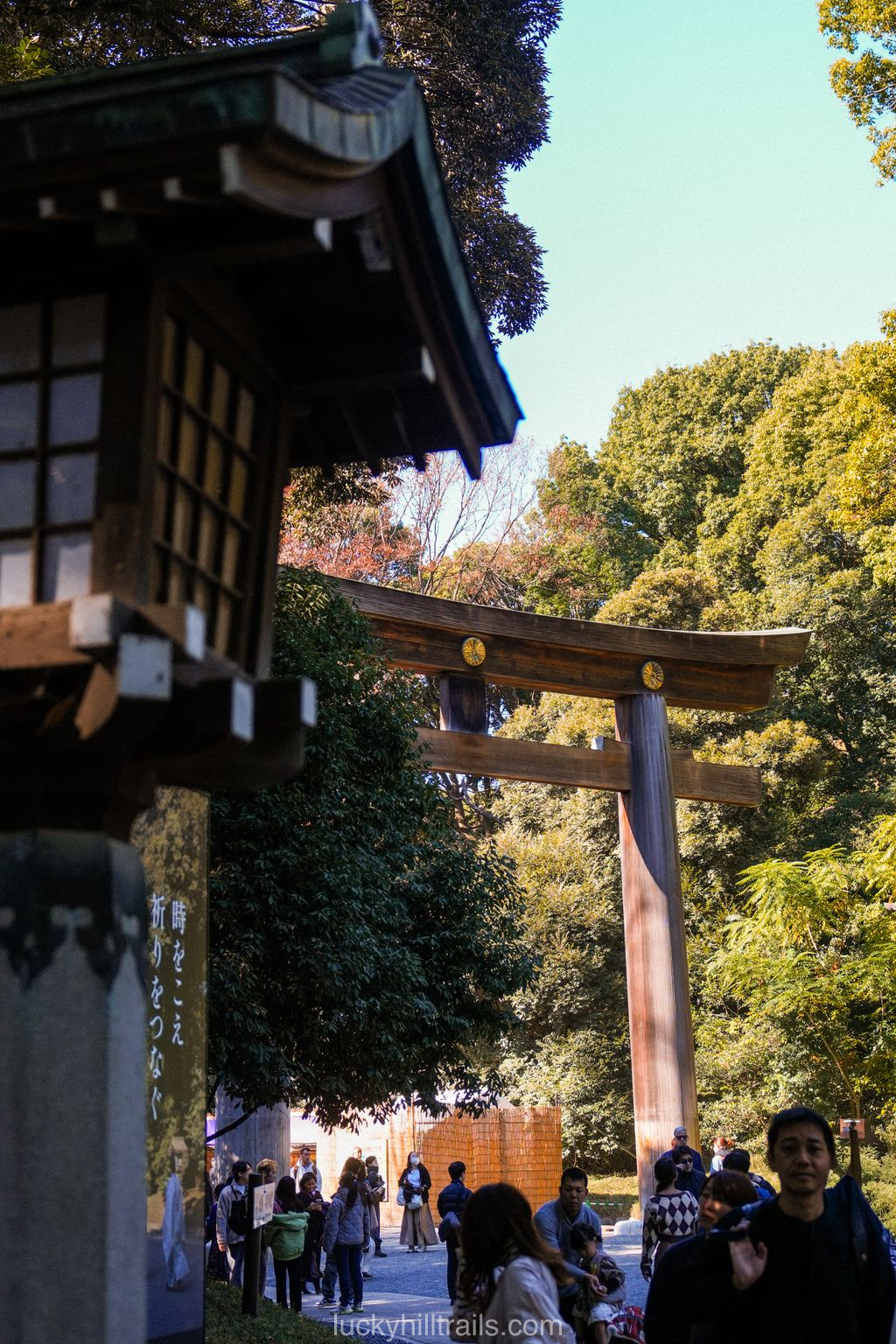
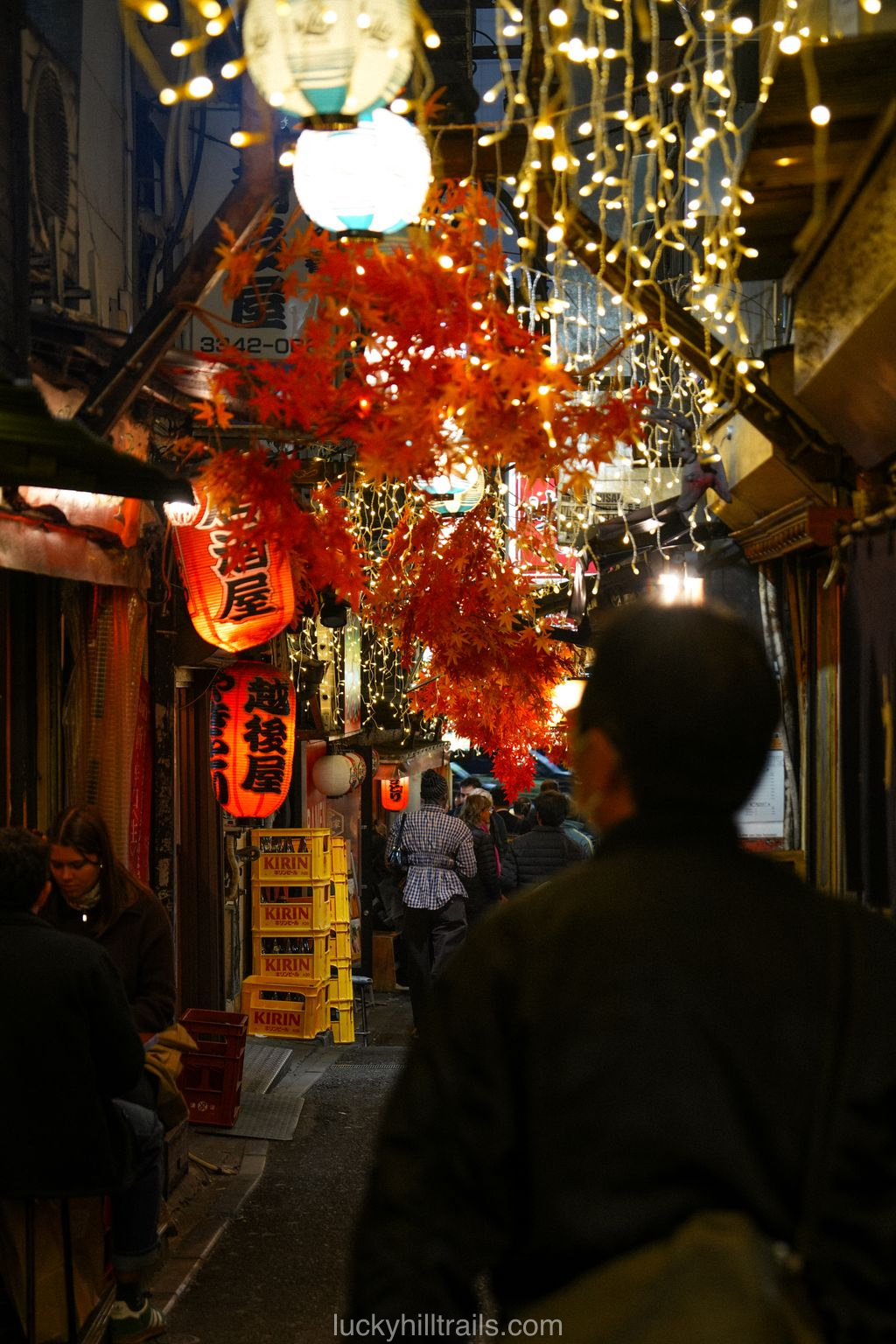
In the morning, visit Meiji Shrine: walk through wooden torii into a forest right next to bustling Harajuku, where the noise of the city instantly disappears. In the afternoon, stop by Shinjuku Gyoen park (¥500 entry) — there’s a Starbucks inside with a view of the pond and greenery. In the evening, explore Shinjuku: the maze of bars in Golden Gai, the nostalgic Omoide Yokocho alley with charcoal-grilled yakitori, and the district’s iconic photo spots — the Godzilla head on top of the Toho Cinema and the 3D cat near the station.
Day 4: An Early Train to Fuji and Chureito Pagoda
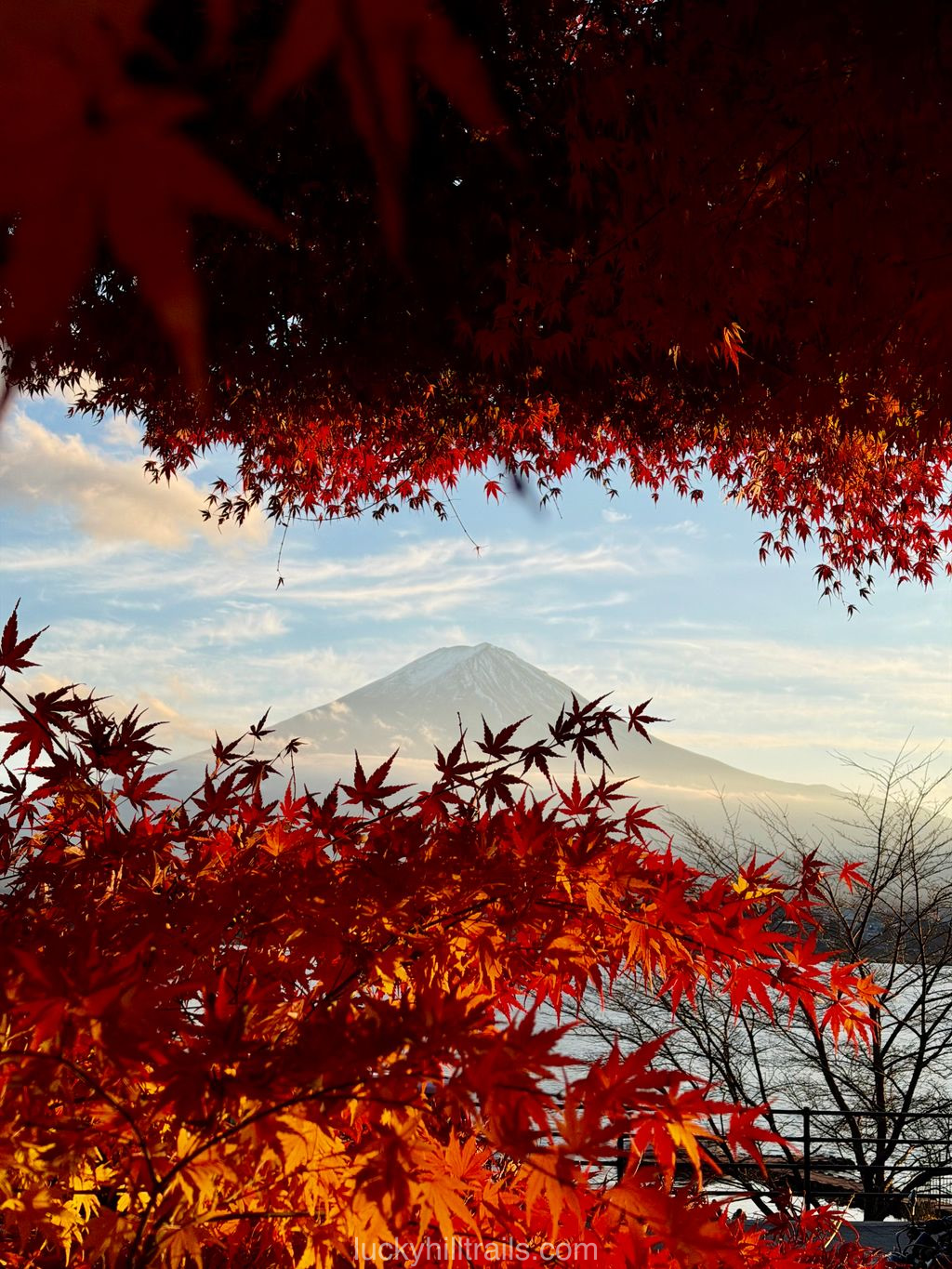
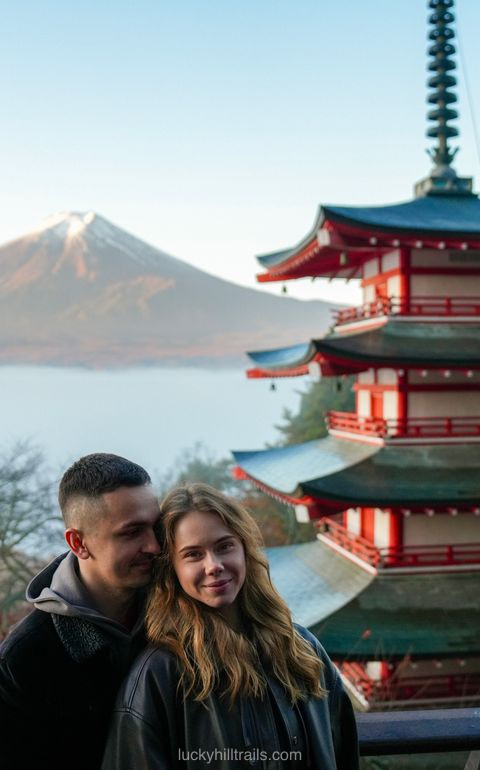
Leave Tokyo early in the morning on the direct Fuji Excursion train to Kawaguchiko Station — book tickets about a month ahead, as they sell out fast. On arrival, pick up a rental bike (most shops open around 8 a.m.) and ride out to Chureito Pagoda — the most iconic view of Fuji, where a red pagoda pairs with the mountain in the background. More viewpoints are in our guide to the best Mount Fuji views.
Heads up: the best photo spots by the pagoda fill up as early as 6 a.m. If you want peace and space, the earlier the better.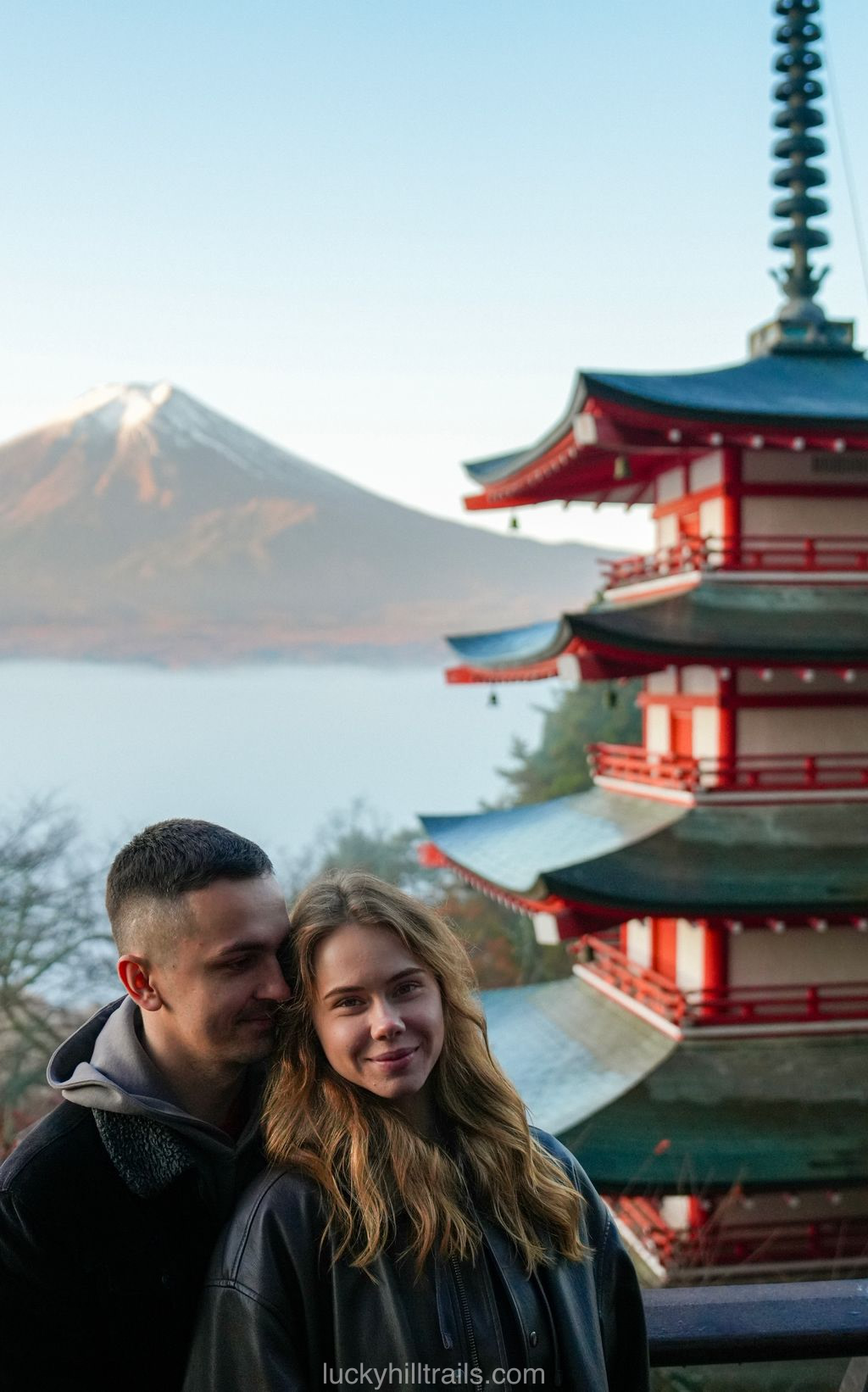
Day 5: Lake Kawaguchiko and the Transfer to Osaka
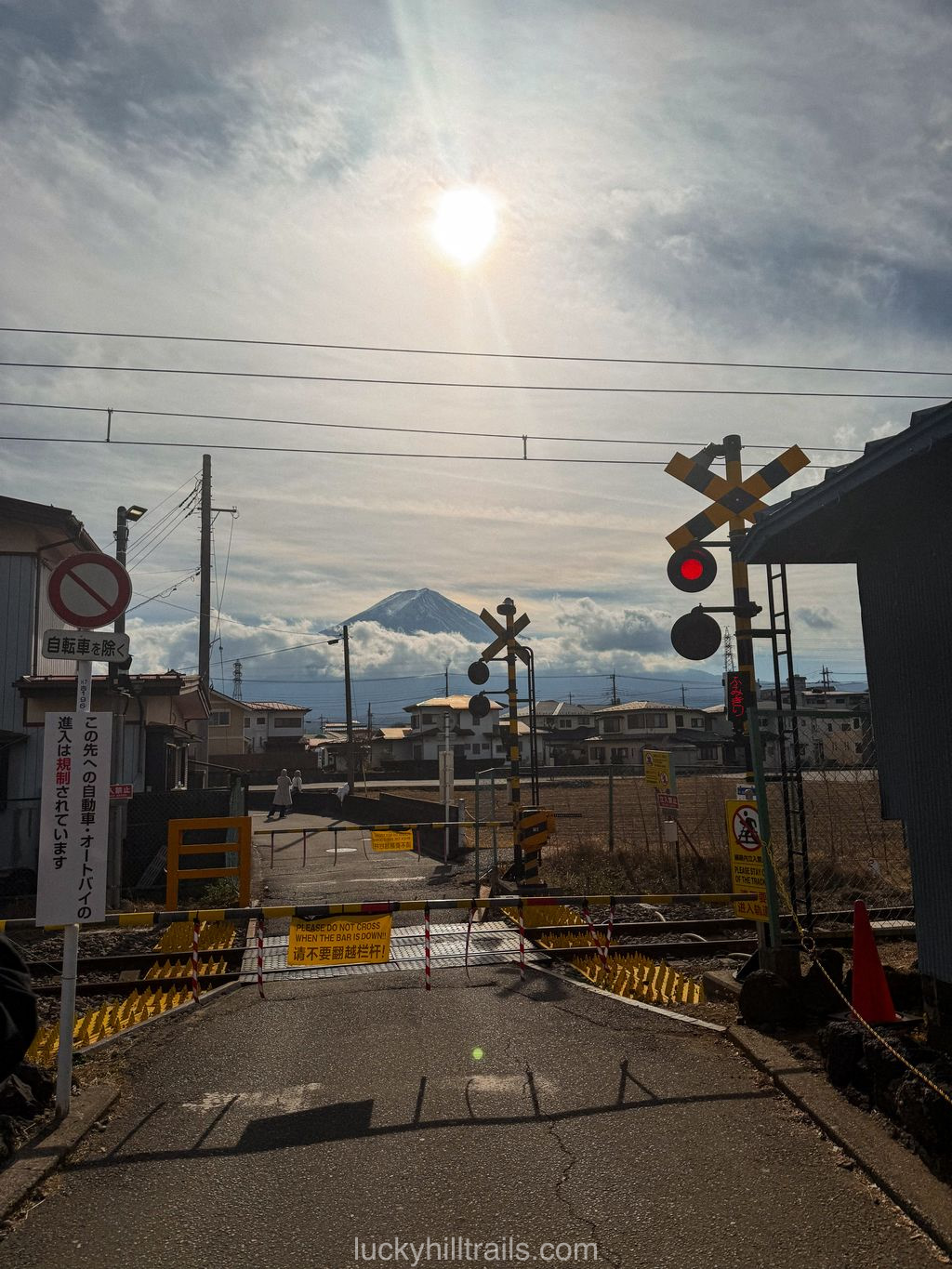
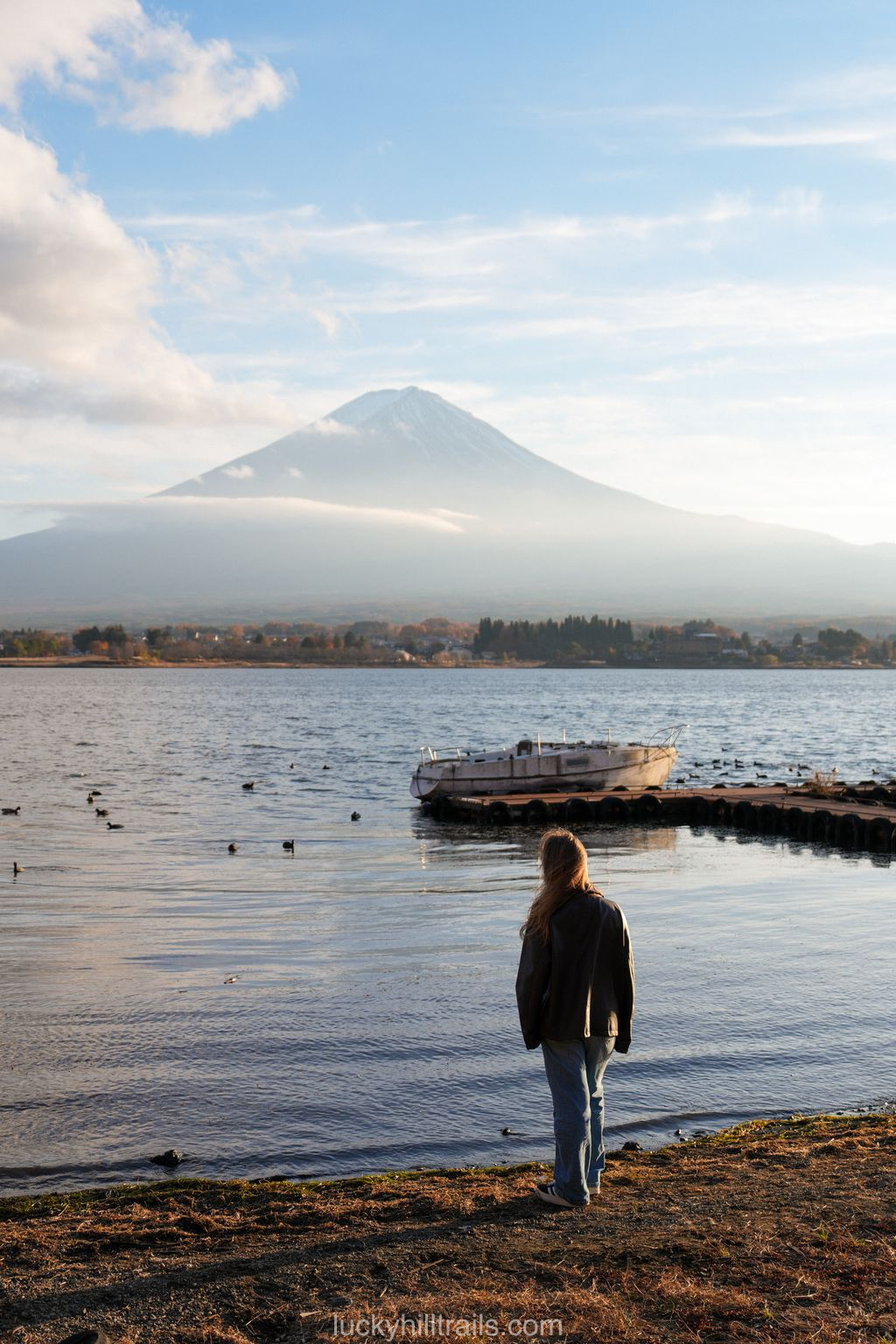
Spend your second day at Fuji around Lake Kawaguchiko — views of the mountain open up right from the road, there’s a Starbucks with a Fuji view in Fujiyoshida, and a popular shot of a railway crossing with a passing train against the mountain. Toward evening, head onward: a bus to Mishima Station, then a shinkansen the rest of the way to Osaka.
 Bus tickets for Kawaguchiko – Mishima.
Day 6: Osaka — the Castle, Dotonbori, and Shinsekai
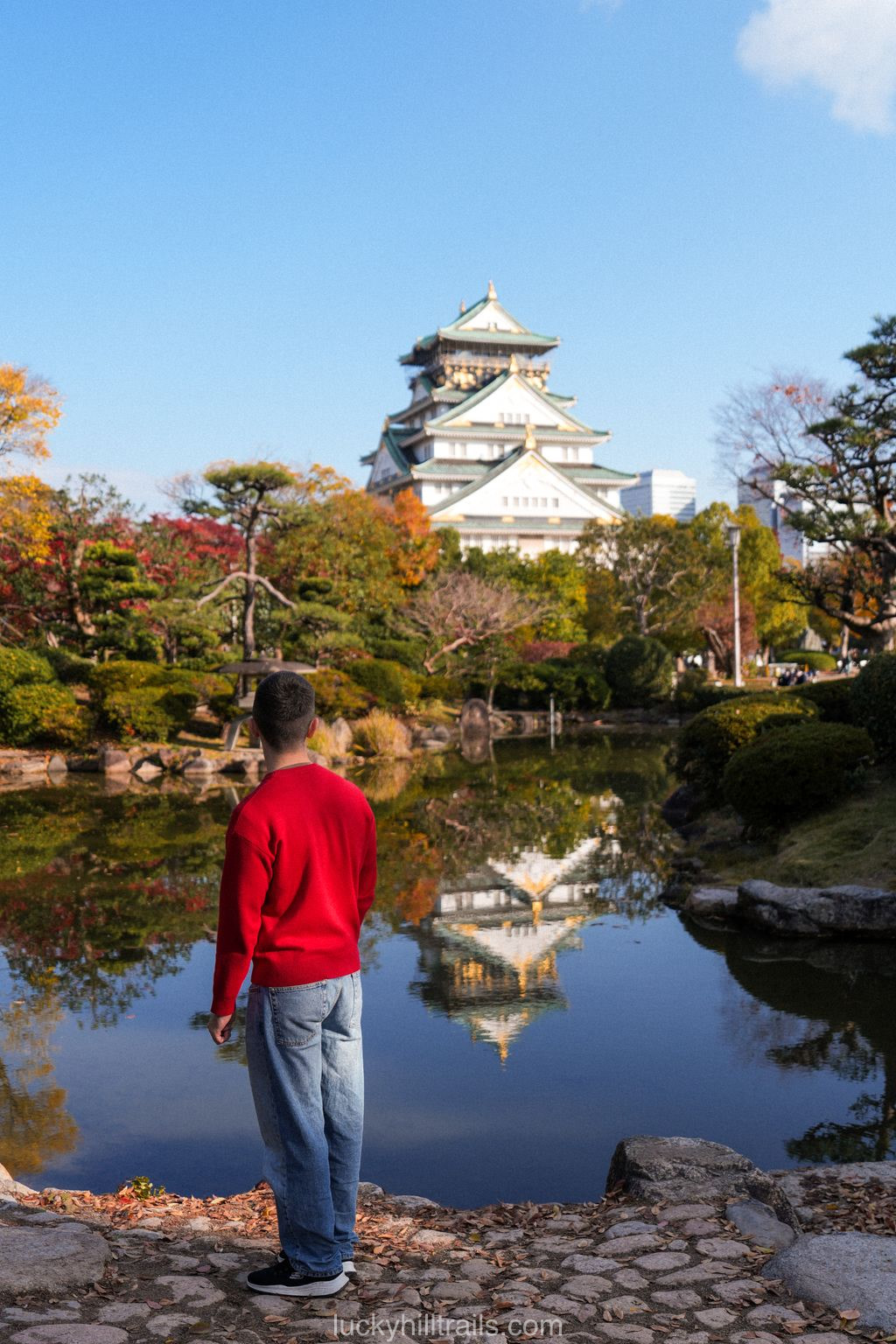
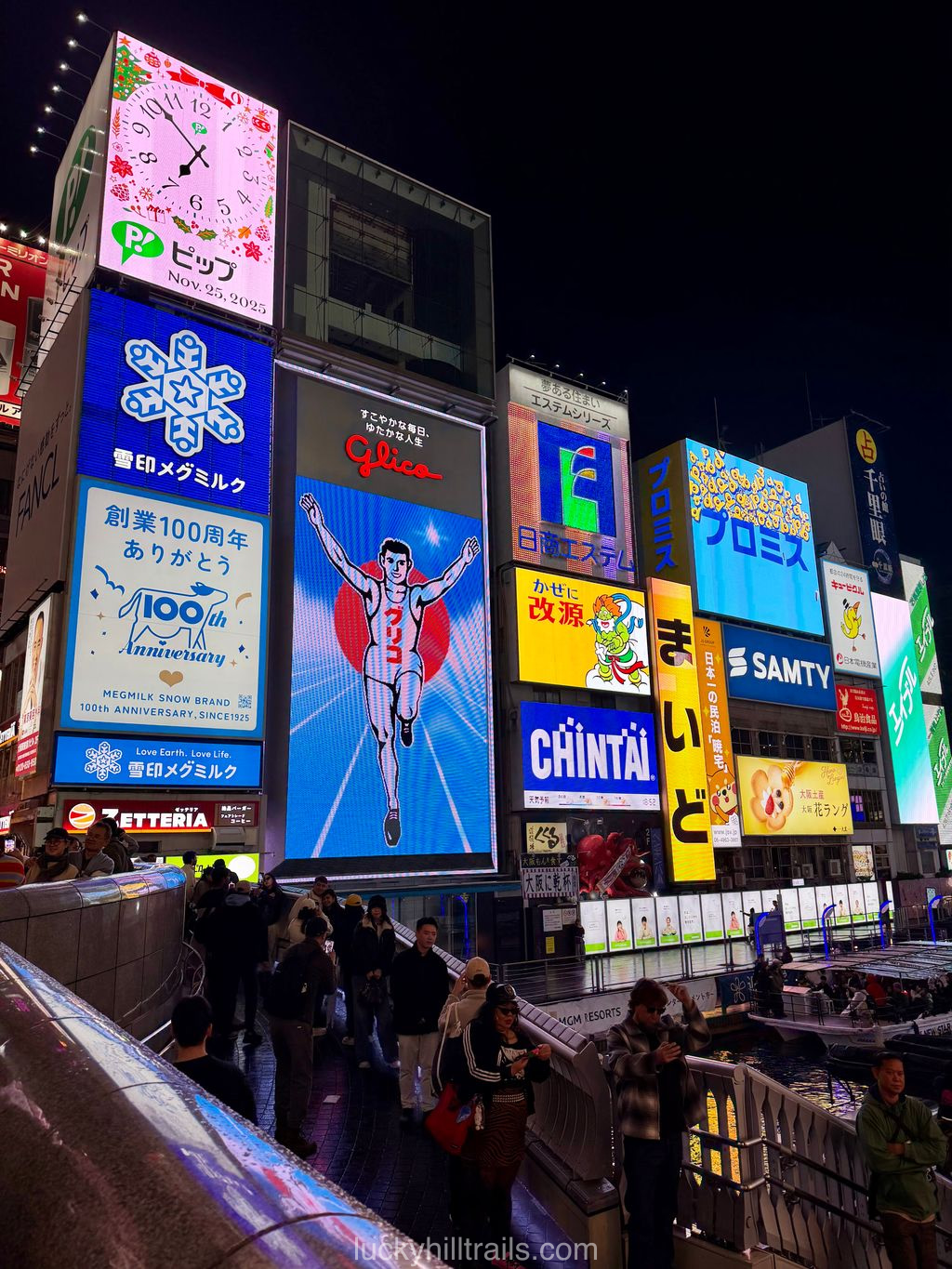
Start the day at Osaka Castle — the city’s symbol, surrounded by a moat and a park. In the afternoon, stop by Kuromon Ichiba Market for crab, scallops, and yakitori. In the evening, don’t miss Dotonbori: neon signs, a giant crab above one restaurant, and Ebisu Bridge, where it’s tradition to pose like the running Glico Man. Nearby is the colorful Shinsekai district with the Tsūtenkaku tower, which has a slide called the Tower Slider that drops from the 22nd floor straight onto the street. More places and shopping districts are in our Osaka guide.
Day 7: Universal Studios Japan
Set aside a full separate day for Universal Studios Japan — with the Wizarding World of Harry Potter and Super Nintendo World zones. The park is big, and lines for the most popular rides can run 1–2 hours.
Tip: crowds thin out noticeably after lunch — most visitors arrive in the morning, so it’s worth saving the most popular rides for the afternoon.

Day 8: A Day Trip to Nara
Take the train to Kintetsu-Nara Station — sacred deer wander the streets freely there, and you can feed them special crackers (about ¥200 a pack). Be sure to visit the Great Buddha Hall at Tōdai-ji, home to one of the largest bronze Buddha statues in the world, and the thousands of stone lanterns at Kasuga Taisha. On the way back, try mochi pounded fresh in front of you at Nakatanidou confectionery. The full Nara route is in our separate Nara guide.
Good to know: don’t show the deer food unless you’re ready for their attention, and once you’re done feeding them, raise your empty hands — they understand that.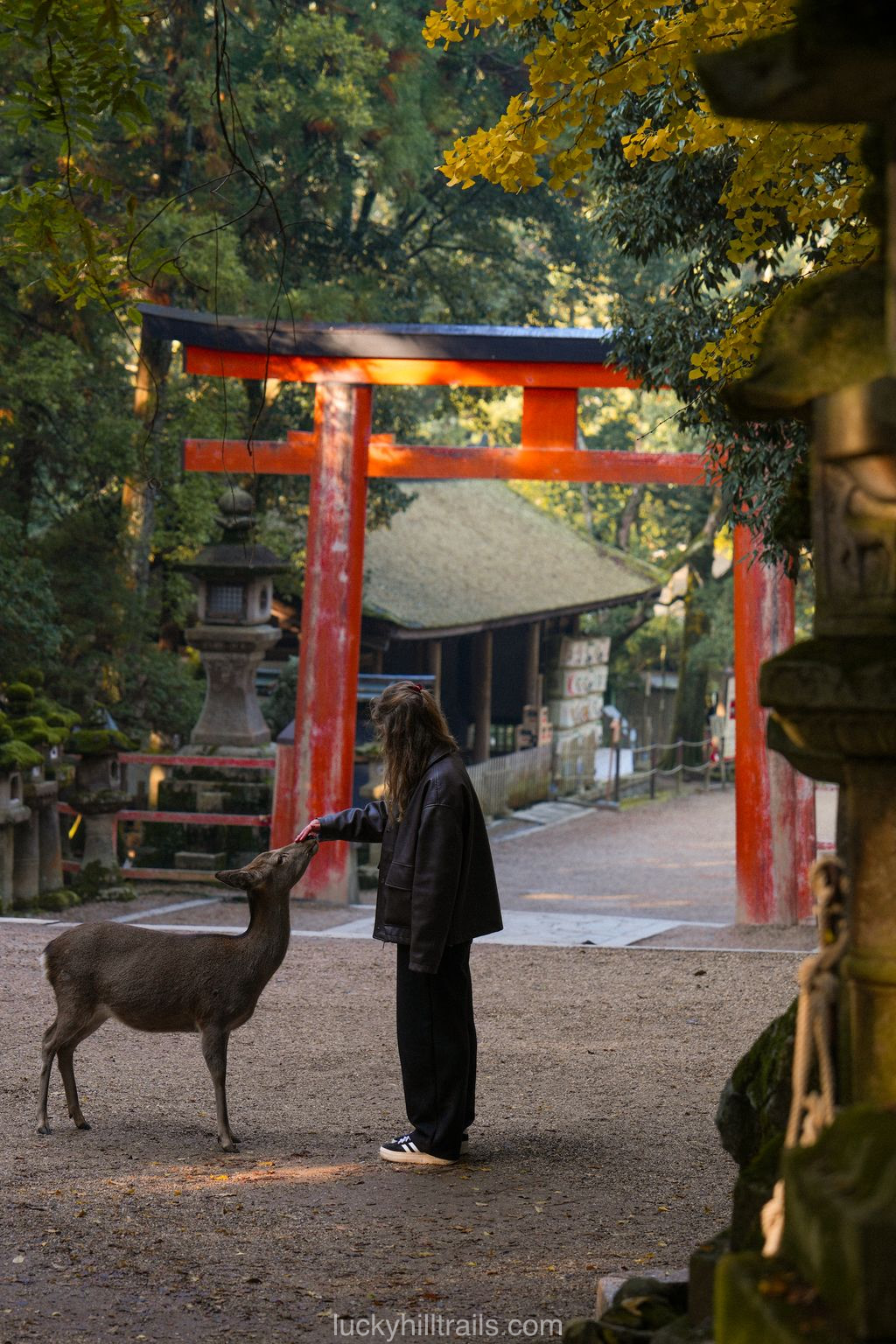
Day 9: The Transfer to Kyoto and the Temples of Higashiyama
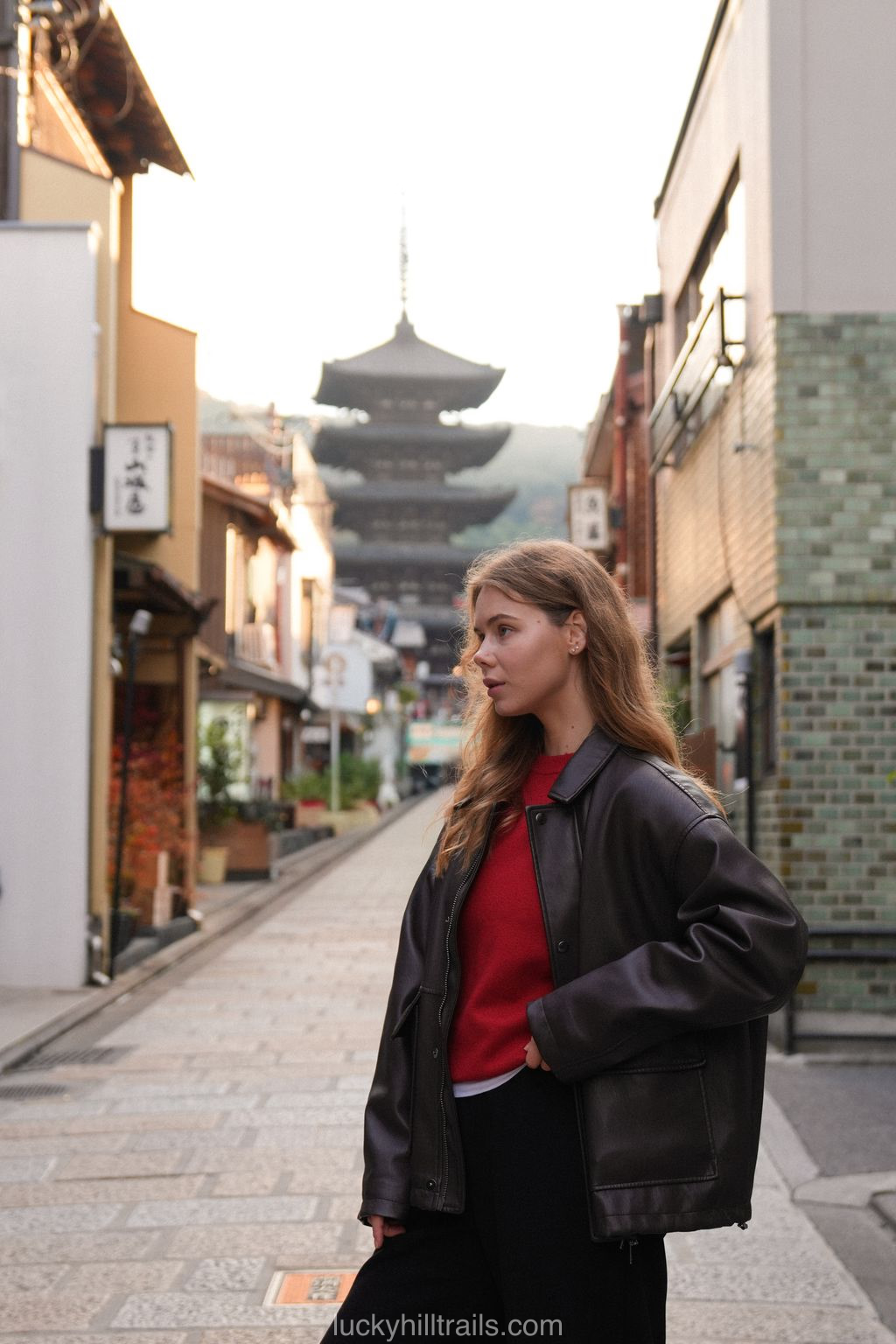
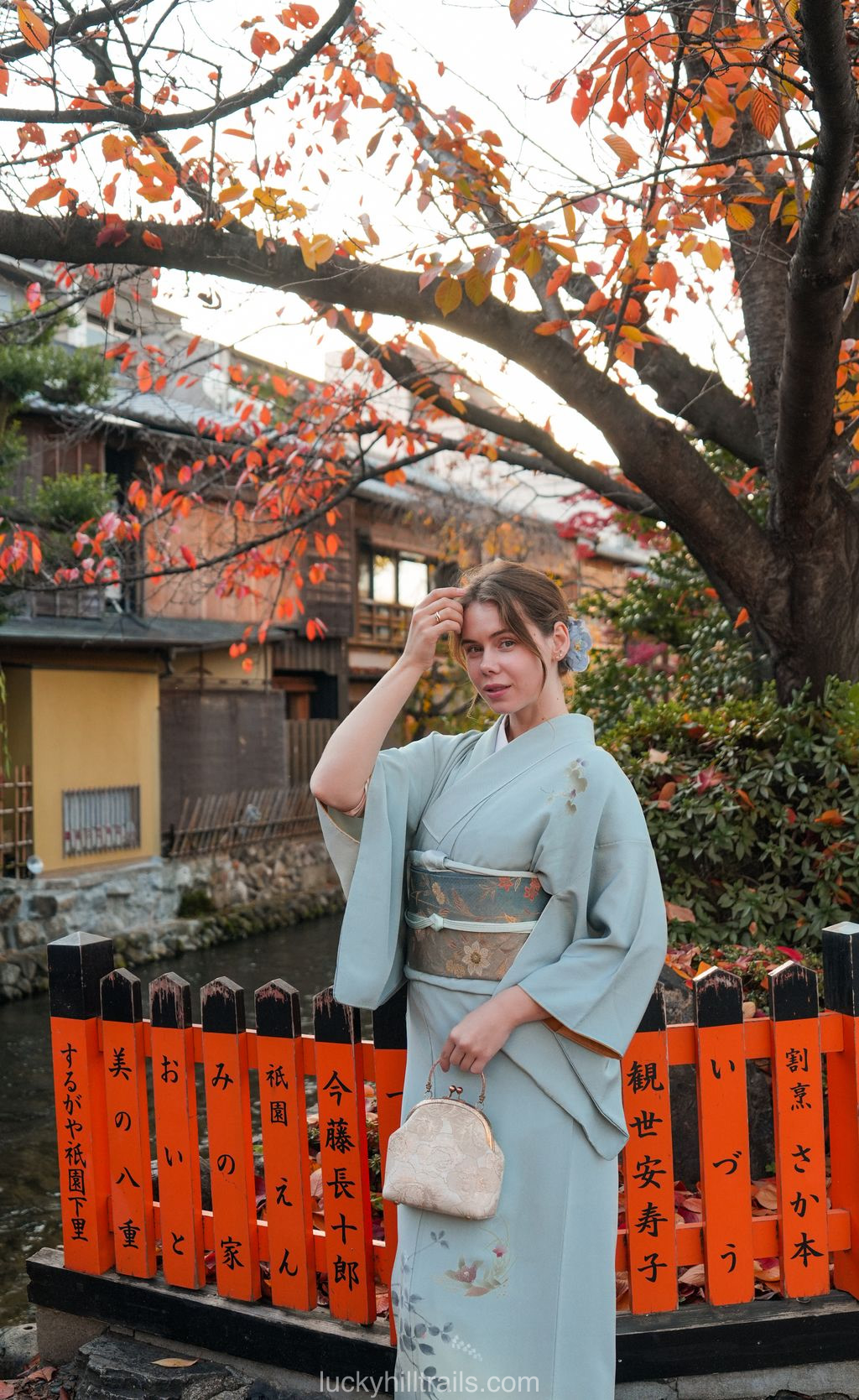
From Osaka to Kyoto is about 30 minutes on a regular train. Start with the Higashiyama district: walk the cobblestone Sannenzaka street, which leads to Yasaka Pagoda, then climb up to Kiyomizu-dera — a temple on a wooden platform jutting out over the hillside, built without a single nail. In the evening, head to the geisha district of Gion, cross Tatsumi Bridge over the Shirakawa canal, and keep an eye out for maiko, who move between teahouses roughly between 6 and 9 p.m. The full list of Kyoto’s temples and districts is in our Kyoto guide.
Day 10: Fushimi Inari and the Golden Pavilion
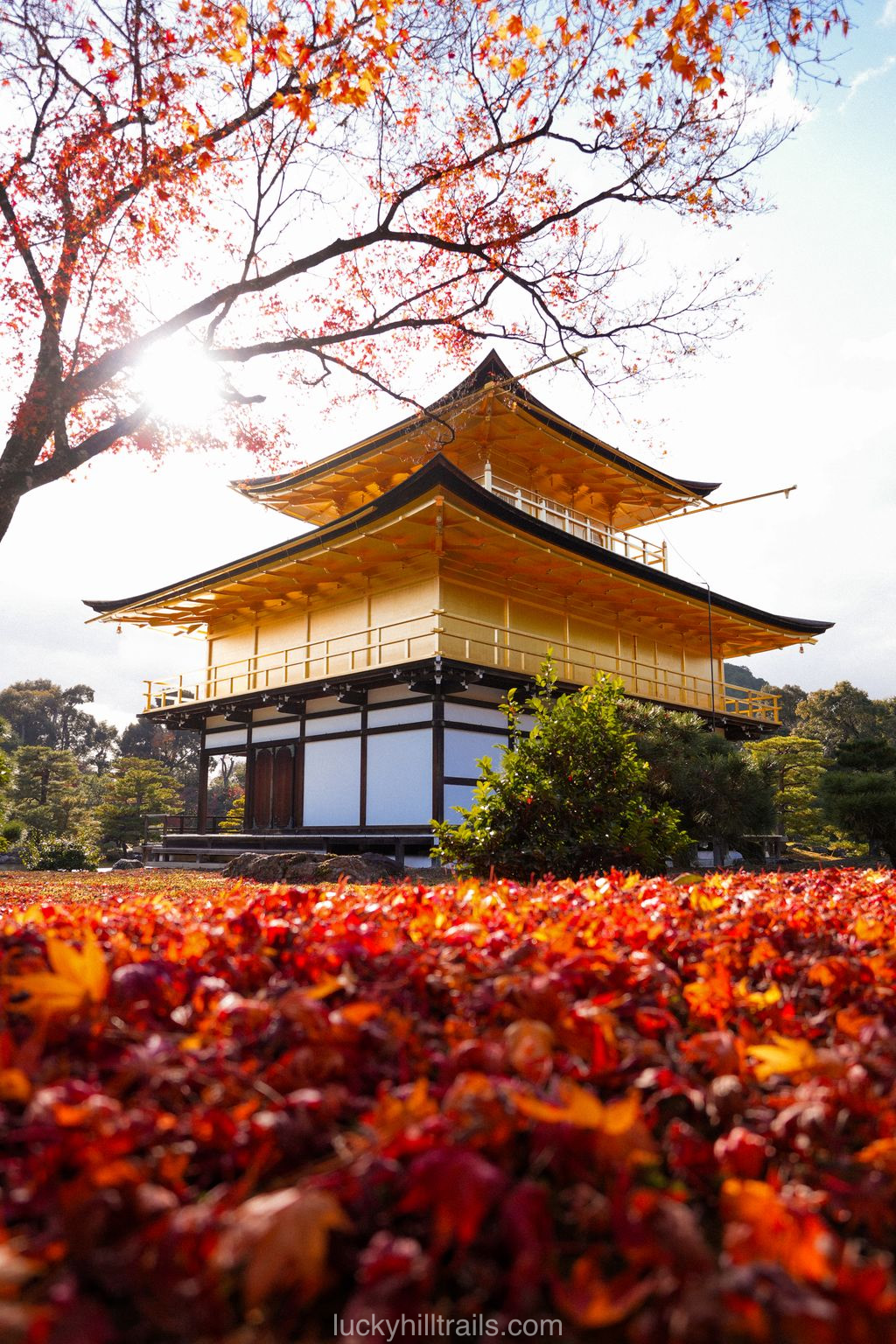
Head out early to Fushimi Inari Taisha — thousands of bright orange torii gates form a living tunnel, and before 7 a.m. it’s nearly empty. There’s a cozy Vermillion Cafe at the entrance — a good spot for breakfast before the climb. In the afternoon, visit Kinkaku-ji, the Golden Pavilion, whose upper floors are entirely covered in gold leaf, and whose reflection in the Kyōko-chi pond is one of the most beautiful sights in Japan.
Heads up: the walking route through the Kinkaku-ji grounds is one-way — you can’t backtrack, so don’t rush at the entrance.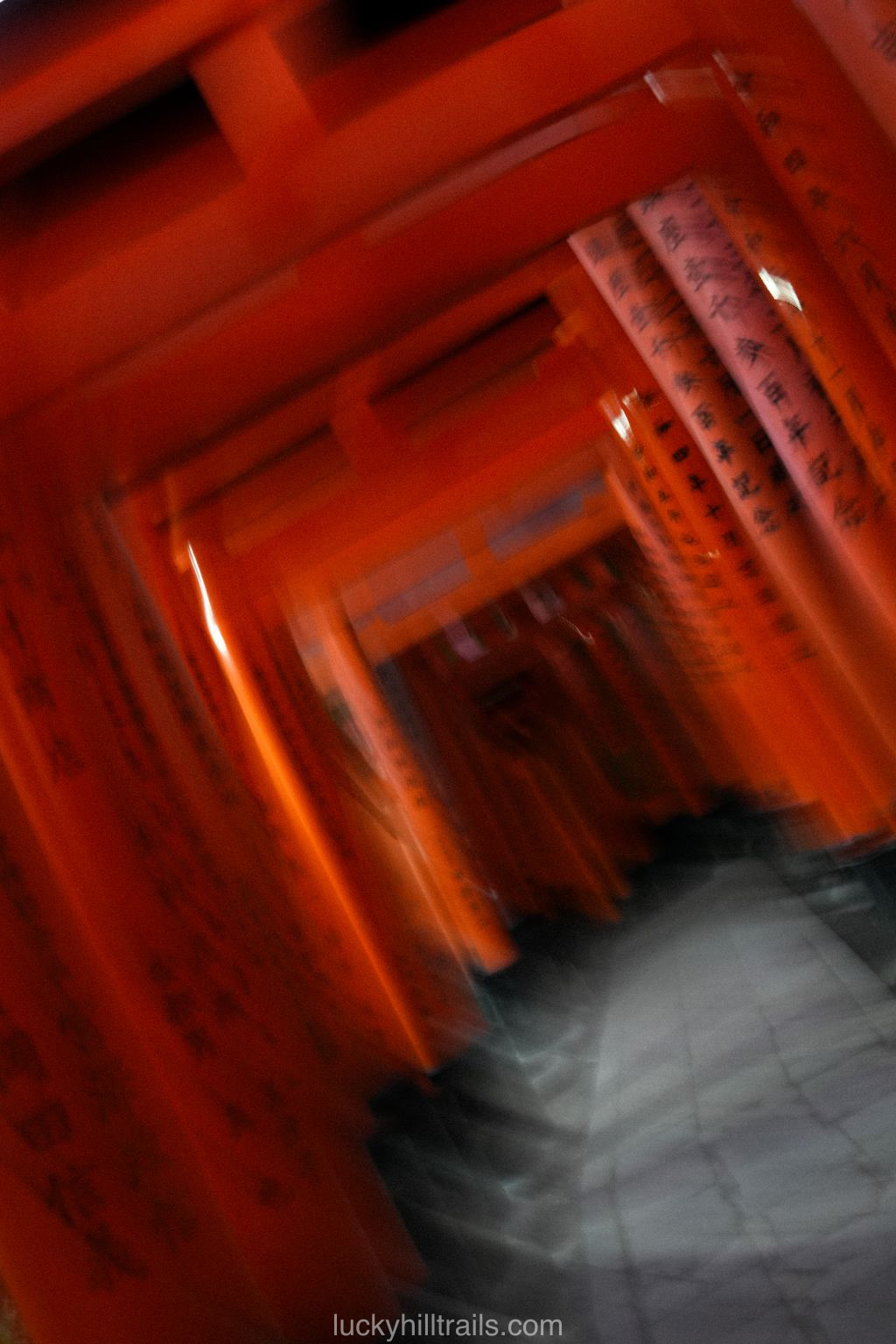
Day 11: A Day Trip to Arashiyama
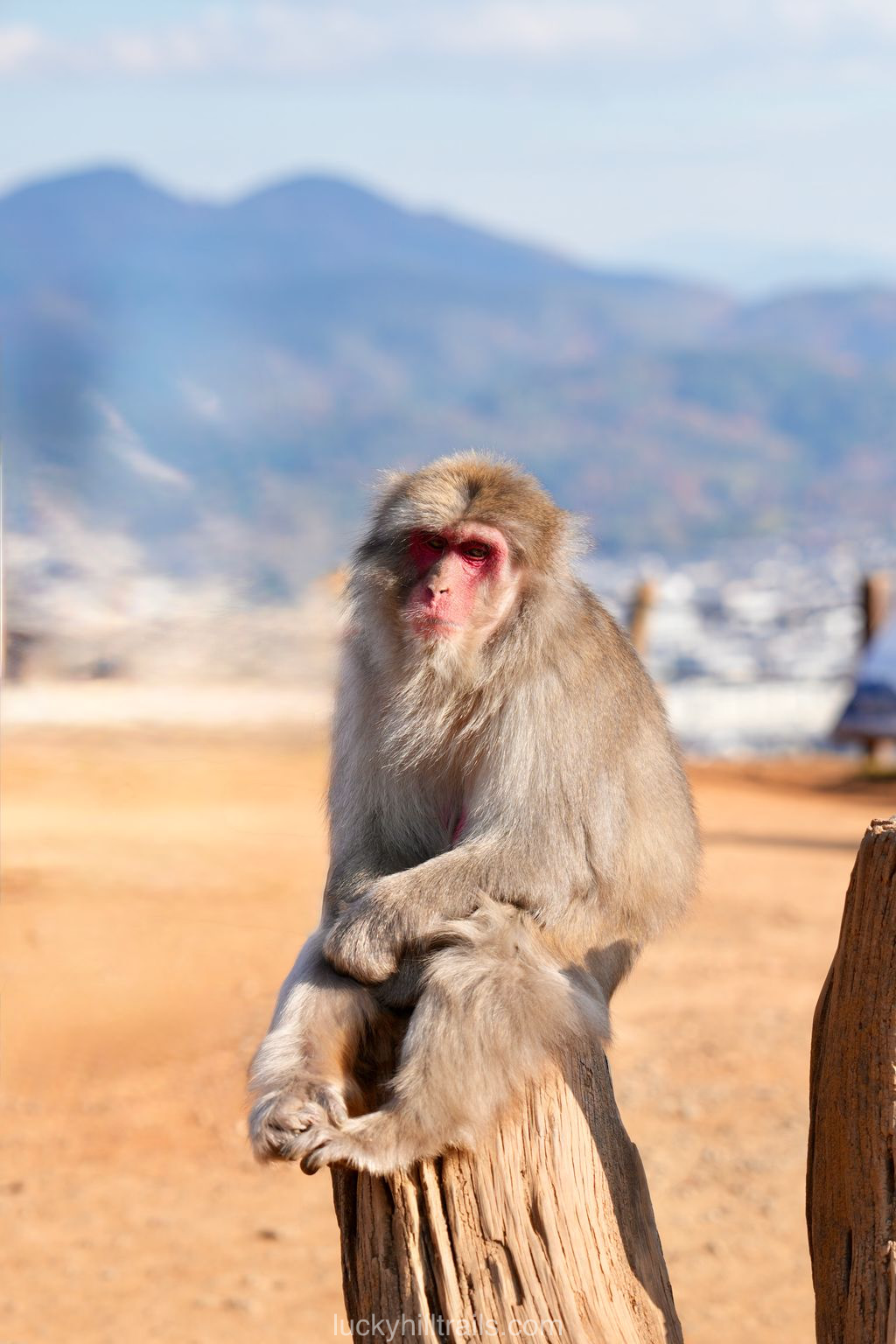
From western Kyoto it’s an easy ride to Saga-Arashiyama Station (about 20–30 minutes). Get to the famous Arashiyama Bamboo Forest early — it gets crowded after 10 a.m. Climb up to Iwatayama Monkey Park, where more than 120 wild Japanese macaques live at the top of the mountain, with views over Kyoto and the Katsura River from the summit. The full Arashiyama route is in our separate guide to the Arashiyama bamboo forest.

Day 12: Hie Shrine and Shopping in Ginza
Head back to Tokyo on the shinkansen — the same Tōkaidō Shinkansen line as on the way to Osaka and Kyoto, just in reverse. In the first half of the day, stop by Hie Shrine — a quiet oasis with a cascade of bright red torii gates in the middle of a quiet forest, just a couple of stops from the center. The grounds open at 6 a.m., the shrine at 8 a.m., admission is free, and it’s worth arriving early to avoid the crowds. In the second half of the day, head to Ginza — a district of international brands, designer boutiques, and tax-free shopping.
Day 13: Tokyo Tower, Harajuku, and Shimokitazawa
In the morning, go up Tokyo Tower (open 9 a.m. to 11 p.m., last entry around 10:30 p.m.) — a red-and-white tower in the spirit of the Eiffel, which photographs best in its evening lighting, though it’s just as calm and beautiful in the morning without the crowds. In the afternoon, visit Takeshita Street in Harajuku: vintage clothing, accessories, sweets, and anime merch. By evening, head to Shimokitazawa, Tokyo’s most creative district, with independent boutiques and thrift shops, away from the tourist crowds.

Day 14: Akihabara and Departure
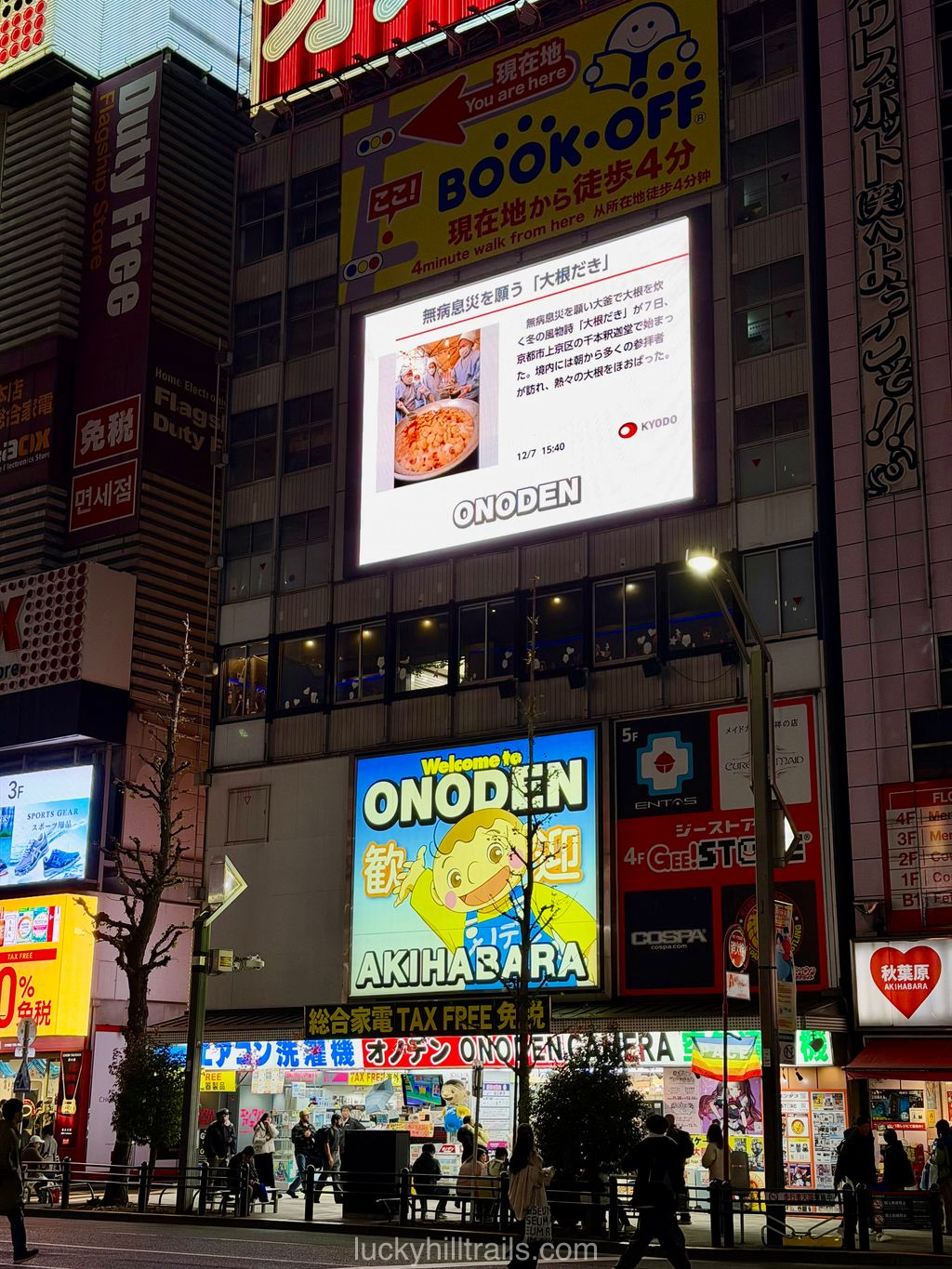
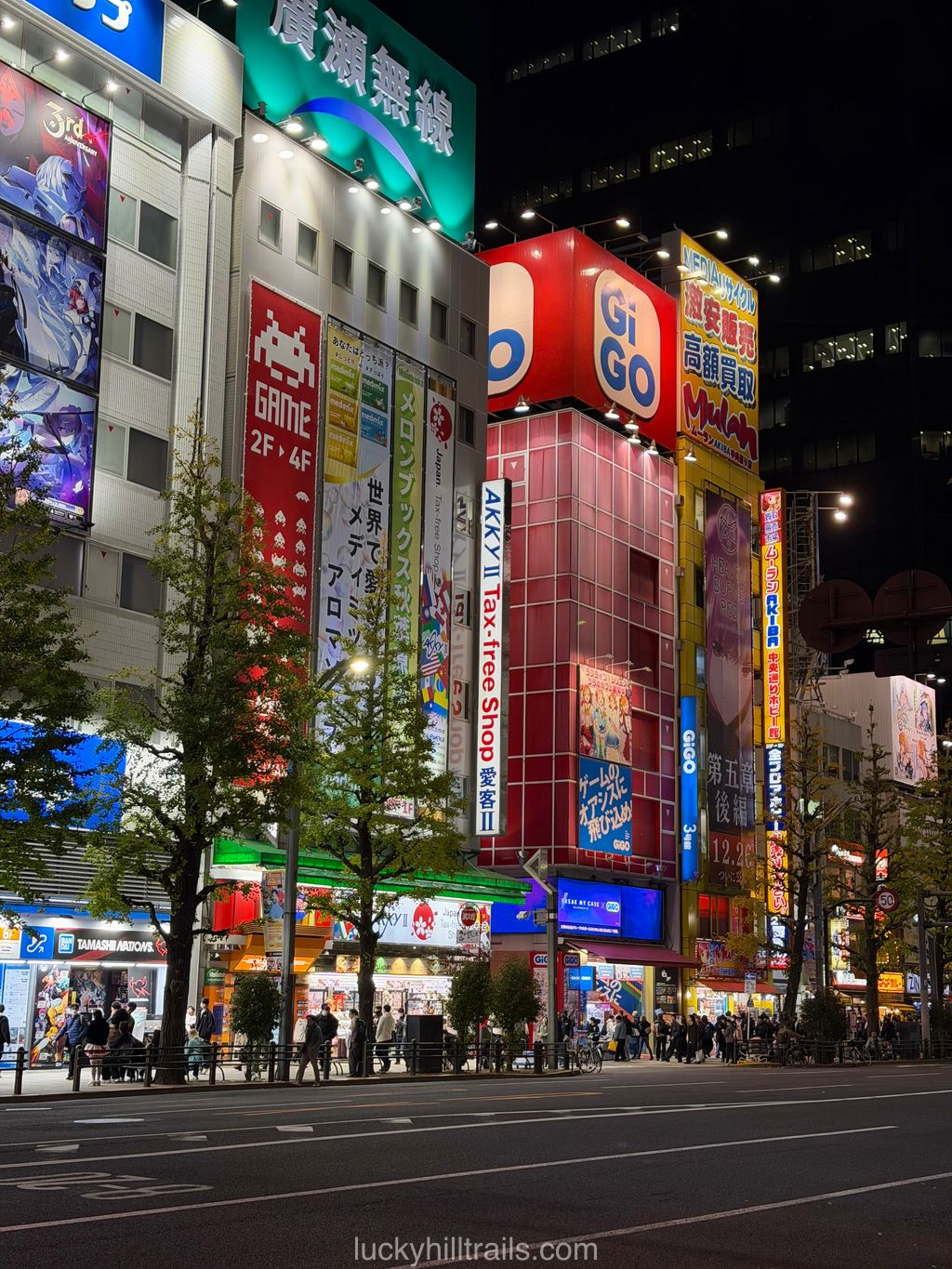
Spend your last morning in Akihabara: anime, manga, gaming, and electronics for every taste. Leave the second half of the day for packing and the ride to Haneda Airport — don’t cut your shopping close to departure.
If You Have Extra Time
- Gōtokuji Temple — the “lucky cat temple,” with hundreds of maneki-neko figurines.
- Warner Bros. Studio Tour Tokyo — Harry Potter movie sets, budget at least 3–4 hours.
- Daigo-ji Temple in Kyoto — the city’s oldest pagoda and the Sanbō-in garden, if Higashiyama and Fushimi Inari didn’t fill your whole day.
What to Know Before a Trip to Japan
- Book the shinkansen in advance. On popular routes — like the Fuji Excursion or the Tōkaidō Shinkansen line between Tokyo, Osaka, and Kyoto — seats get snapped up fast in season. Between Osaka and Kyoto it’s about 30 minutes on a regular train.
- Metro and buses within cities. In Osaka, Kyoto, and Tokyo alike, city transit is easy to plan through Google Maps: the app shows you the line, the platform, and the travel time.
- Paying your fare. An IC card (Suica, ICOCA) is convenient for metro and buses — accepted almost everywhere.
- 14 days is a tight pace. Unlike a longer route, there’s almost no slack here for a rainy day or a tired one — it’s worth deciding ahead of time which of the bonus spots above you’re willing to skip.
Online shinkansen booking service.
Every spot on this route, along with 130+ other locations across Tokyo, Osaka, Kyoto, Nara, and Fujikawaguchiko, is pinned on our Japan Google Map — ready to open on your phone before you even land.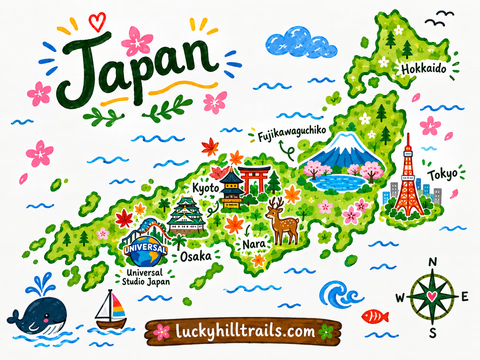
Our Takeaways
14 days is enough to see the same regions as in 18 — just without the buffer for the unexpected. The tightest stretch in this route is Tokyo: six days spread across both ends of the trip, and some of the bonus spots above will almost certainly need to be chosen rather than all squeezed in.
If you can stretch the trip to 18 days, we have a detailed 18-day itinerary covering the same cities without the same rush — especially at the end, when Tokyo shopping gets 5.5 days instead of 3.
Don't just read about it – go!
By booking through my links, you support my work at no extra cost to you. Thank you for helping me keep sharing travel tips 💚