

LuxembourgTravel Guide
Our Luxembourg guides, from our own trip: what to see, how to use the free public transport, and where to leave the car.

Our Luxembourg guide
How to plan a trip to Luxembourg
Our Luxembourg City guide covers the capital’s old town. Half a day is enough to walk it: the Adolphe Bridge, Place de la Constitution, the cathedral, Grund and the Bock Casemates. With a day or two, you can see it all without rushing.
Good to know
- Public transport is free: since February 29, 2020, buses, trams, 2nd-class trains and the funicular cost nothing.
- Parking: if you come by car, leave it at a P+R lot, free for 24 hours, such as P+R Bouillon or Luxembourg-Sud, and take a bus or tram to the centre.
- Tickets: the Bock Casemates cost €10 (9:45 AM-5 PM); the cathedral and the Pfaffenthal panoramic lift are free.
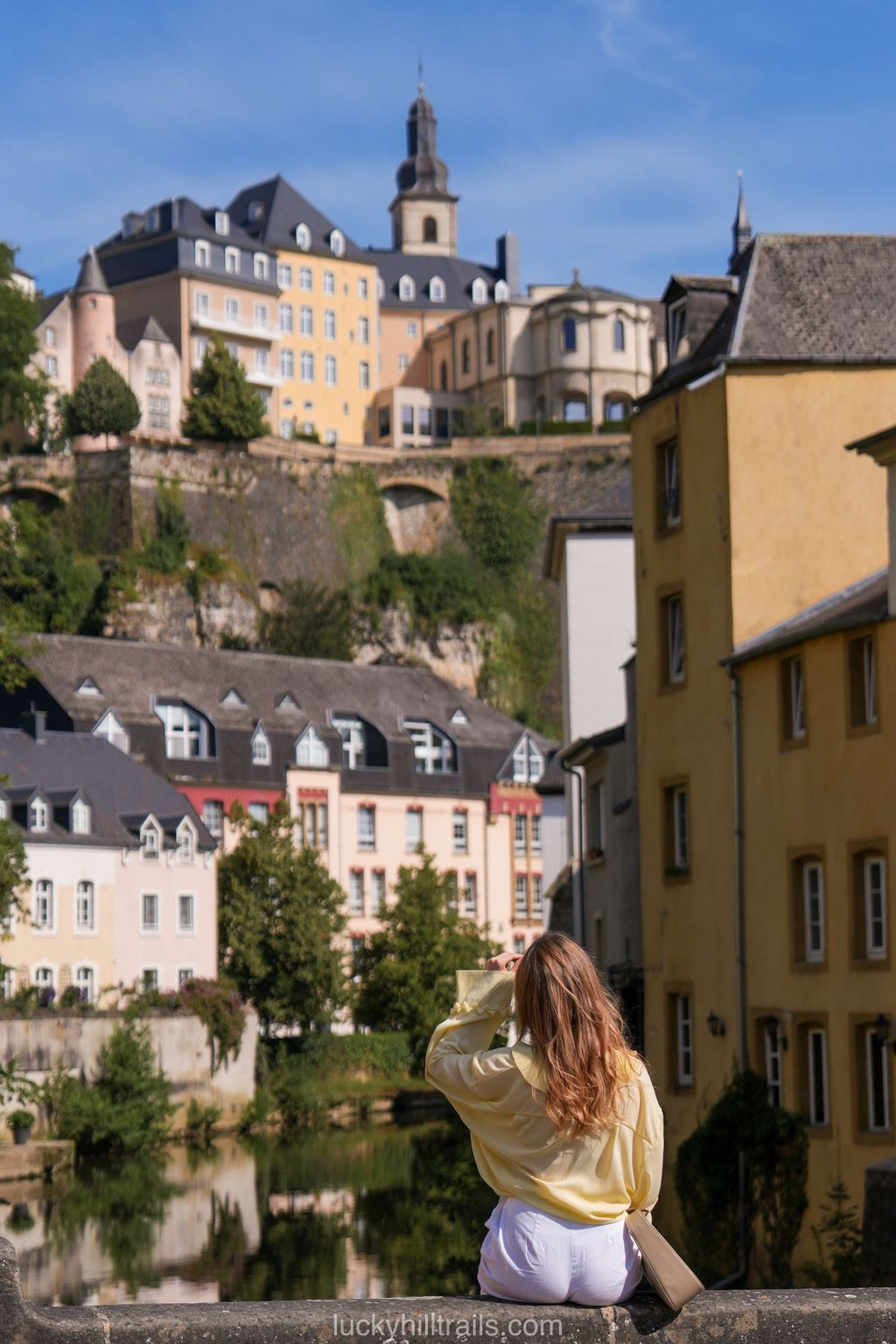
- The view of Grund: go to the Scenic Corridor walkway along the city walls, ideally at sunset.
✨ Quick Facts
Don't just read about it – go!
Frequently Asked Questions
How many days do you need in Luxembourg?
Luxembourg City is compact and very walkable - most highlights can be seen in 1-2 days. If you want to explore beyond the capital (Vianden Castle, Mullerthal Trail, Moselle wine region), budget 3-4 days.
Is Luxembourg worth visiting?
Absolutely. Luxembourg City is a UNESCO World Heritage Site with dramatic casemates, a charming old town, and excellent museums. It's a surprisingly rewarding stop on any broader European trip.
What languages are spoken in Luxembourg?
Luxembourgers officially use three languages: Luxembourgish, French, and German. English is widely spoken in tourist areas and by younger locals, so communication is rarely an issue.
Is Luxembourg expensive?
Restaurants and hotels are among the priciest in Europe. However, one big perk: public transport (buses, trams, and trains) is entirely free nationwide, which significantly cuts travel costs within the country.
Can I combine Luxembourg with nearby countries?
Very easily. Luxembourg borders Belgium, France, and Germany. Day trips to Trier, Metz, or the Belgian Ardennes are quick and popular - many visitors treat Luxembourg as a base for exploring the wider region.