
Nara in One Day: Route, Deer & Temples (Guide from Kyoto/Osaka)
Nara is one of those cities where Japan’s calm, meditative side is felt especially strongly. Sacred deer walking freely through parks, powerful temples with giant Buddha statues, soft mochi made right in front of you - in this guide I’ve collected the best spots and tips to help you plan the perfect one-day trip.
- Nara is an easy day trip from Osaka or Kyoto: we took the train to Kintetsu-Nara Station and used Google Maps for the connections.
- Nara Park is free and open 24/7; deer crackers cost ¥200 a stack, and you shouldn't feed the deer anything else.
- Walk deeper into the park rather than stopping at the entrance - there are fewer people and it's more atmospheric.
- The Great Buddha Hall at Todai-ji costs ¥800 for adults; Kasuga Taisha's outer grounds, Ukimido Pavilion and Yoshikien Garden are free.
- Try yomogi mochi at Nakatanidou, famous for its mochi-making show (¥200-300 a piece), and kaki no ha sushi on Sanjodori.
Nara in one day at a glance: hours and prices
Most stops are in or next to Nara Park, which is free and open around the clock, so one day is enough.
| Stop | Hours | Admission |
|---|---|---|
| Nara Park and the deer | 24/7 | Free; deer crackers ¥200 |
| Great Buddha Hall (Todai-ji) | Apr-Oct 7:30-17:30, Nov-Mar 8:00-17:00 | ¥800 adults, ¥400 children |
| Wakamiya Shrine | Daylight, ~7:00-17:00 | Free |
| Kasuga Taisha | ~6:30-17:30 (Mar-Oct), 7:00-17:00 (Nov-Feb) | Grounds free; inner area ~¥500 |
| Ukimido Pavilion | 24/7 | Free |
| Yoshikien Garden | 9:00-17:00 | Free |
| Kofuku-ji | Halls 9:00-17:00, grounds 24/7 | Grounds free; halls and museum ~¥500-900, combined ~¥1,600 |
How to get to Nara from Kyoto or Osaka
We reached Nara by public transport from Osaka, to Kintetsu-Nara Station. It’s very convenient: just enter your starting point and “Kintetsu-Nara Station” in Google Maps - the app will show the current route with all connections, platforms, and approximate travel time.
Nara is an easy day trip from either city - if you’re still deciding where to base yourself, see our guides to Kyoto and Osaka. In our 14-day Japan itinerary, Nara is a day trip from Osaka.
Nara deer: what to feed them and how to stay safe
In Japan, deer are considered sacred animals: in Shinto they are seen as messengers of the gods. They are therefore treated with great respect and protection - much like cows in India. The elegant deer in Nara have complete freedom to move: they walk not only through the park but also through the streets, accompany tourists to the main temples, and are almost always nearby as you explore the area.


⏱️ Opening hours: 24/7.
🎟️ Admission: Entry to Nara Park is free - no tickets needed.
🍪 Feeding the deer: Special natural rice crackers are sold almost everywhere for 200 yen per small stack (from 8:00 am) or from vending machines (we didn’t come across those).

Don’t give the deer anything other than the special crackers.
A few tips for feeding the deer safely in Nara:
Don’t wear light or delicate clothing. Deer may rub against you or gently nibble your clothes, so there’s a risk of getting dirty.
Be careful with males. They’re easy to spot by their antlers - they’re usually more persistent, so it’s best to be more cautious with them.
Don’t show food if you’re not ready for attention. If you don’t want deer to approach, simply don’t buy crackers and don’t hold bags or food in your hands.
Raise your empty hands. When the treats are gone, raise your hands and show your open palms - deer usually understand and quickly lose interest.
One more tip: don’t stop right at the start of the park - go further in. There are fewer people and it’s more atmospheric.
9 places to visit in Nara in one day
1. Great Buddha Hall
Great Buddha Hall is the main building of the legendary Todaiji temple in Nara, home to one of the world’s largest bronze Buddha statues. The Hall itself is impressive in scale and wooden architecture, and the atmosphere is calm and solemn. Next to the temple is Nara Park, where deer roam freely - symbols of the region. Visitors can feel the deep spirituality and immerse themselves in the history of Japanese culture.
⏳ Opening hours: April-October: 07:30 - 17:30, November-March: 08:00 - 17:00
💴 Admission: Adults ¥800, children ¥400.
 Temple website.
2. Wakamiya Shrine
Wakamiya Shrine is a small but historically important Shinto shrine in Nara, located next to the large Kasuga Taisha Shrine in Nara Park. It is dedicated to the deity 天押雲根命 (Ame no Oshikumone no Mikoto) - the god of water and purification - and has deep cultural significance for local people and pilgrims. The famous centuries-old festival Kasuga Wakamiya Onmatsuri is held here every year, continuing uninterrupted since 1136 and forming an important part of the region’s spiritual heritage.
⏳ Visiting hours: the shrine is open daily during daylight (roughly 07:00 - 17:00)
💴 Admission: free
Wakamiya Shrine page on the Kasuga Taisha website.


3. Kasugataisha Shrine
Kasuga Taisha Shrine is one of the most important Shinto shrines in Japan, set in the scenic Nara Park. Founded in 768, it is part of the UNESCO World Heritage site. It is famous for thousands of stone and bronze lanterns leading to the main shrine and creating a mystical atmosphere, especially during festivals when they are lit. Here you can feel the deep spirituality of Japanese culture and enjoy the nature of the primeval forest where sacred deer roam freely.
⏳ Opening hours: daily approximately 6:30 - 17:30 (March - October) and 7:00 - 17:00 (November - February), with some areas and shrines on different schedules.
💴 Admission: access to the outer grounds is free; inner area of the main shrine approximately ¥500.
Shrine website.

4. Ukimido Pavilion
Ukimido Pavilion is a picturesque hexagonal wooden pavilion that seems to “float” on the surface of the small pond Sagiike in the heart of Nara Park. Its classic traditional architecture with a cedar-bark roof fits harmoniously into the natural landscape, and the surrounding nature changes the pavilion’s appearance with the season: pink cherry blossoms in spring, colourful foliage in autumn, or calm water in winter. It’s a great spot for walks, photos, and relaxing in nature.
⏳ Visiting hours: open 24/7 (Nara Park is accessible at any time)
💴 Admission: free - it’s an open area in the park

5. Yoshikien Garden
Yoshikien Garden is a peaceful traditional Japanese garden in the centre of Nara, combining three styles of garden art: pond garden, moss garden, and tea ceremony garden. It was built on the site of former priests’ quarters of Kofuku-ji temple and keeps an atmosphere of harmony with nature - an ideal place for walks among greenery, calm ponds, and traditional architecture. The garden is especially beautiful in spring when in bloom and in autumn when the leaves turn bright.
⏳ Opening hours: daily 9:00 - 17:00 (last entry 16:30); may be closed from late December to early January and in late February.
💴 Admission: free.
Yoshikien Garden on the official Nara tourism portal.

6. Kofuku‑ji Temple
Kofuku‑ji Temple is one of the oldest and most significant Buddhist temples in Japan, located in the heart of Nara Park. Founded in the 7th century, it was the main temple of the influential Fujiwara clan and one of the seven great temples of Nara. Today the complex includes several national treasures, such as the five-storey pagoda, Central Golden Hall, and Eastern Golden Hall, as well as the National Treasure Museum with the famous Asura statue - a masterpiece of Nara period sculpture. The temple is part of the UNESCO World Heritage list and is an integral part of the city’s historical and cultural landscape.
⏳ Opening hours: main buildings and museum open daily 09:00 - 17:00 (last entry ~16:45) • temple grounds accessible 24/7.
💴 Admission: grounds free; inner halls and museum have separate admission:
● National Treasure Museum ~ ¥900
● Central Golden Hall ~ ¥500
● Eastern Golden Hall ~ ¥500
● Combined ticket (all three) ~ ¥1,600 (adult prices).
Temple website.
7. Mizuya Chaya
Mizuya Chaya is a small traditional tea-house café in the heart of Nara Park, between Kasuga Taisha and Todai‑ji. It looks like a welcoming cottage with a thatched roof from old Japanese times and has an atmosphere reminiscent of samurai film scenes. You can rest here after walking among the shrines, try kake udon, traditional sweets, and other Japanese dishes while enjoying the peace, nature, and even the chance to see deer nearby and take nice photos.

8. Edosan
Edosan is a charming spot for a quiet stroll in the heart of Nara Park, where nature and traditional Japanese architecture blend harmoniously. The garden and courtyard of the ryokan are especially beautiful in autumn, when the maples turn bright red and create a magical atmosphere. Soft dawn or evening light makes a walk around Edosan wonderfully scenic and cosy. You can see deer roaming freely among the trees and paths nearby, adding to the charm.

9. Red Torii
Red Torii are standalone bright red Shinto gates in the forest in Nara Park. A shot of the torii against the trees looks especially beautiful in autumn or in soft morning light. A great spot for atmospheric photos and a short stop on your walk.
What to eat in Nara
- CHAMI - Specialty Coffee Roaster - a stylish café with its own coffee roasting. They serve espresso, filter, and seasonal drinks. A perfect place to take a break after walking around Nara Park.
- Kaki no Senmon Sanjodori Branch - specialises in kaki no ha sushi (traditional sushi in persimmon leaf). A small authentic shop on the shopping street Sanjodori, a great place to try the local delicacy. Price from ~¥1,000 per set.
- Nakatanidou - a legendary confectionery famous for its mochi-making show right in front of the shop. The most popular treat is yomogi mochi with anko paste. Price ~¥200-¥300 per piece.


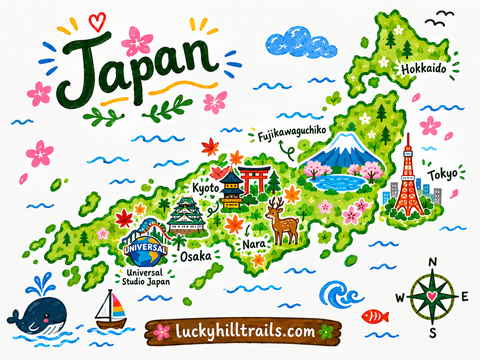
Every stop in this guide, plus 130+ more across Tokyo, Osaka, Kyoto, Nara, and Fujikawaguchiko, is pinned in our Japan Google Map - ready to open on your phone.
Frequently Asked Questions
How do you get to Nara from Osaka or Kyoto?
By train to Kintetsu-Nara Station. Enter your starting point and "Kintetsu-Nara Station" in Google Maps to see the current route with connections, platforms and travel time.
What do you feed the deer in Nara?
Only the special rice crackers sold around the park for ¥200 a small stack, from 8:00. Don't give the deer anything else.
Is Nara Park free?
Yes. Nara Park is open 24/7 and entry is free. Some temples inside charge admission, such as the Great Buddha Hall (¥800 for adults).
Are the deer in Nara dangerous?
Not usually, but they can be persistent around food and may nibble your clothes. Avoid light or delicate clothing, be more careful with males (the ones with antlers), and show your empty palms when the crackers are gone.
How much is Todai-ji?
Entry to the Great Buddha Hall is ¥800 for adults and ¥400 for children. It is open 07:30-17:30 from April to October and 08:00-17:00 from November to March.
Is one day enough for Nara?
Yes. Most sights are in or next to Nara Park, so one day covers the Great Buddha Hall, Kasuga Taisha, Kofuku-ji, the gardens and time with the deer.
Don't just read about it – go!
By booking through my links, you support my work at no extra cost to you. Thank you for helping me keep sharing travel tips 💚