How to Get to Kyoto & Getting Around the City
Getting to Kyoto from Tokyo
The fastest and most convenient way to travel from Tokyo to Kyoto is by Shinkansen (bullet train). The route runs along the same Tokaido line as Osaka, so if you’re visiting both cities it’s easy to combine them in one itinerary.
🚄 Route: Tokyo Station → Kyoto Station (Tokaido Shinkansen, Nozomi or Hikari train)
⏳ Travel time: ~2 h 15 min (Nozomi) or ~2 h 40 min (Hikari)
 Buy train tickets here
or here
Buy train tickets here
or here
Getting Around Kyoto
The best way to get around Kyoto is by bus and subway. The city has an excellent bus network that reaches almost every tourist spot. For frequent trips it’s worth picking up a day bus pass — available at tourist information centres and Kyoto Station.
🚌 Payment: IC card (Suica, ICOCA), cash, or day pass
💶 Fare: ¥230 per bus ride / day pass ¥700
📱 Navigation: Google Maps works great for bus routes and real-time departures
 Tip: Buses can be very crowded during rush hour. For some locations on the east and west sides of the city, a taxi can be more convenient.
Places to Visit in Kyoto
1. Sannenzaka & Yasaka Pagoda
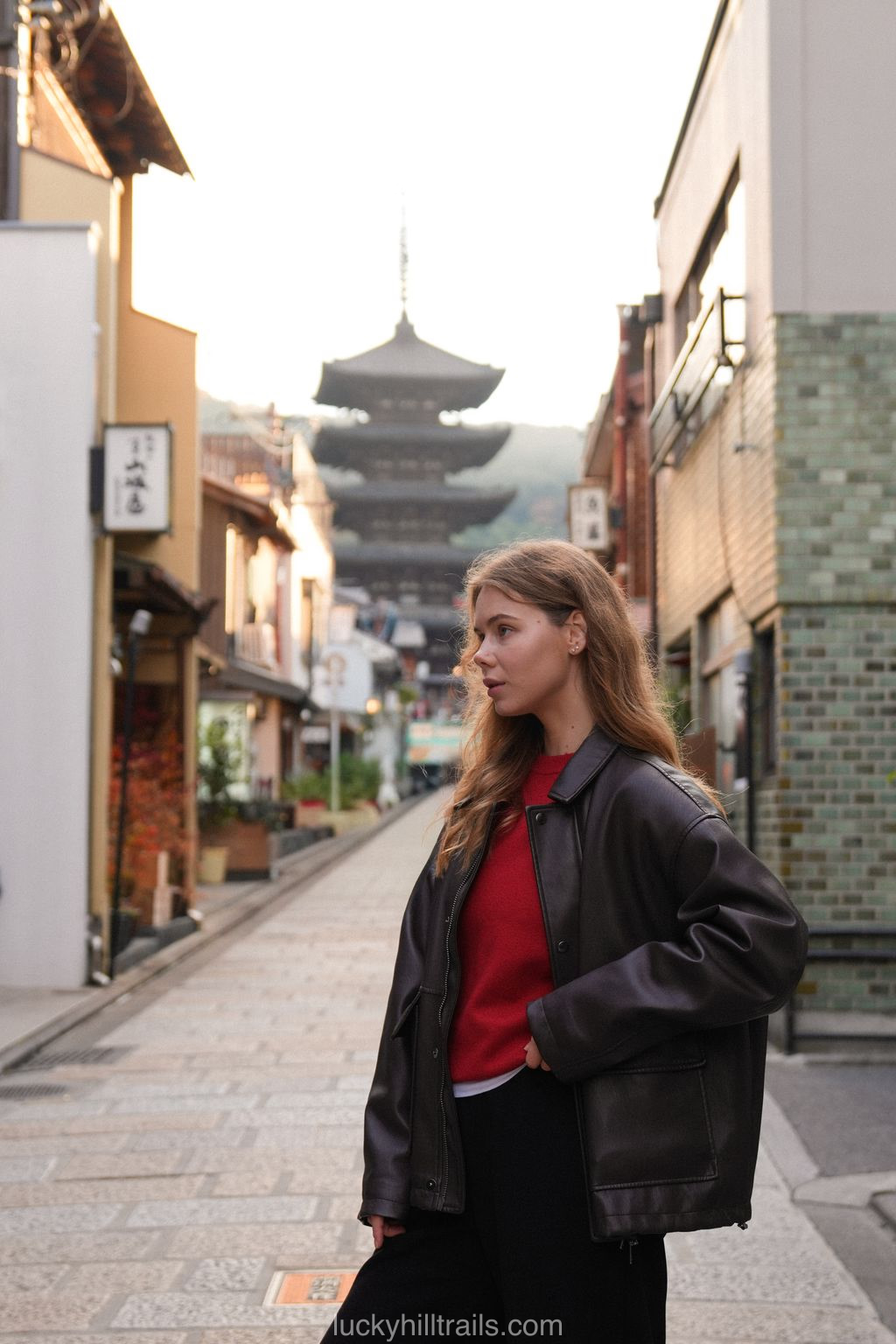
Sannenzaka (三年坂) is one of Kyoto’s oldest and most picturesque streets, paved with stone and lined with traditional wooden buildings. Here you’ll find tea shops, souvenir stalls, and workshops selling ceramics and textiles. The street leads directly to Yasaka Pagoda — the five-storey pagoda of Hōkan-ji Temple, a true symbol of the Gion district and one of Kyoto’s most iconic structures.
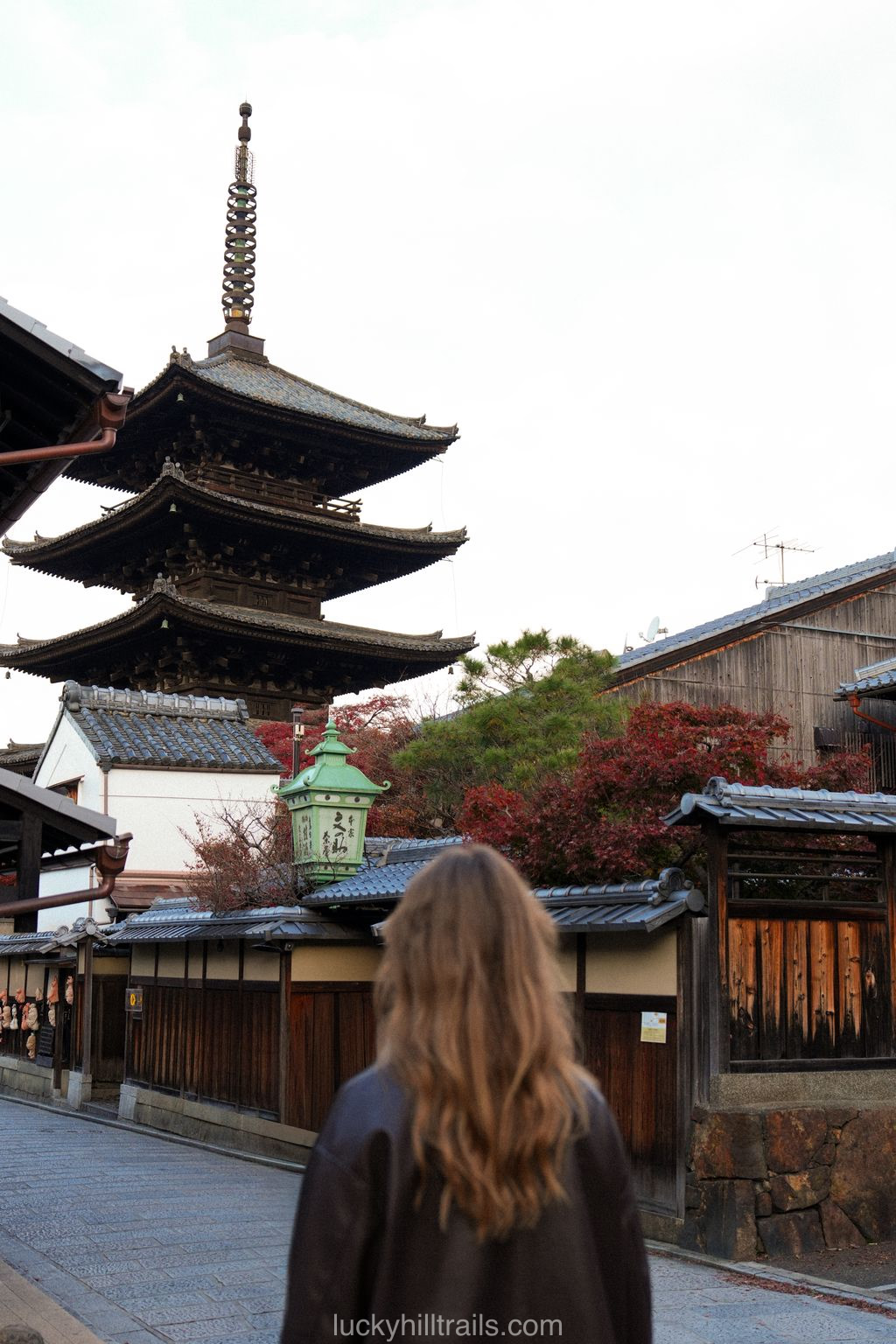
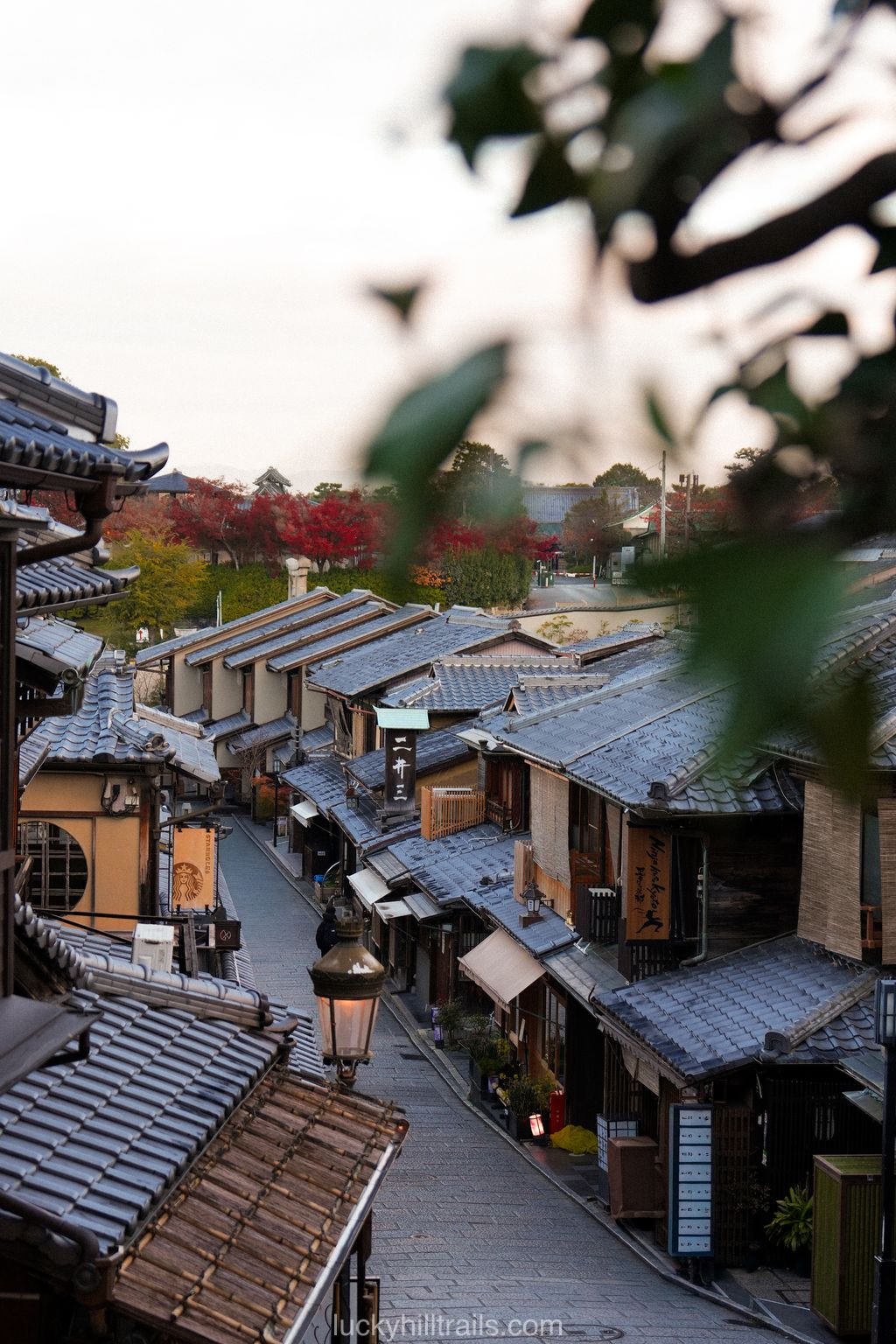
⏳ Pagoda hours: 10:00–15:00
💶 Pagoda entry: ¥400
🌳 Sannenzaka: open 24 hours, free entry
Note: This spot gets very crowded — even in the morning a photo without people is almost impossible. Walk a little further from the main viewpoint: the pagoda is equally visible but far less busy. In the evening the lanterns cast everything in golden light.2. Kiyomizu-dera Temple
Kiyomizu-dera is one of Japan’s most famous temples and a UNESCO World Heritage Site. The main hall is built on a wooden stage jutting out over the mountainside at a height of about 13 metres — entirely without a single nail. From the stage you get a breathtaking view over Kyoto, especially dramatic in spring during cherry blossom season and in autumn in November.
⏳ Hours: 6:00–18:00 (during night illumination season — until 21:00)
💶 Entry: ¥500 for adults
🌳 Also: several smaller shrines are located nearby — worth walking the whole grounds
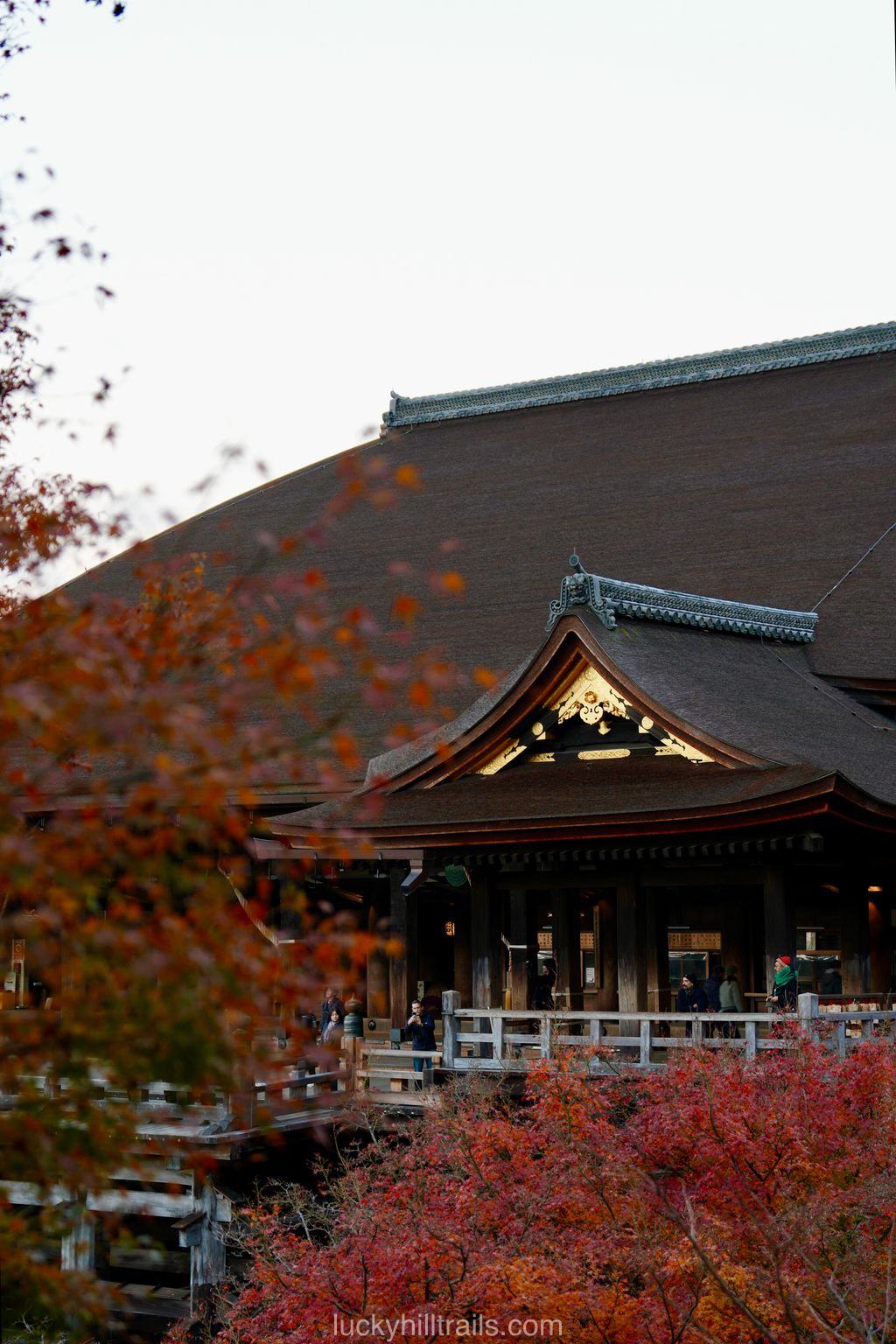
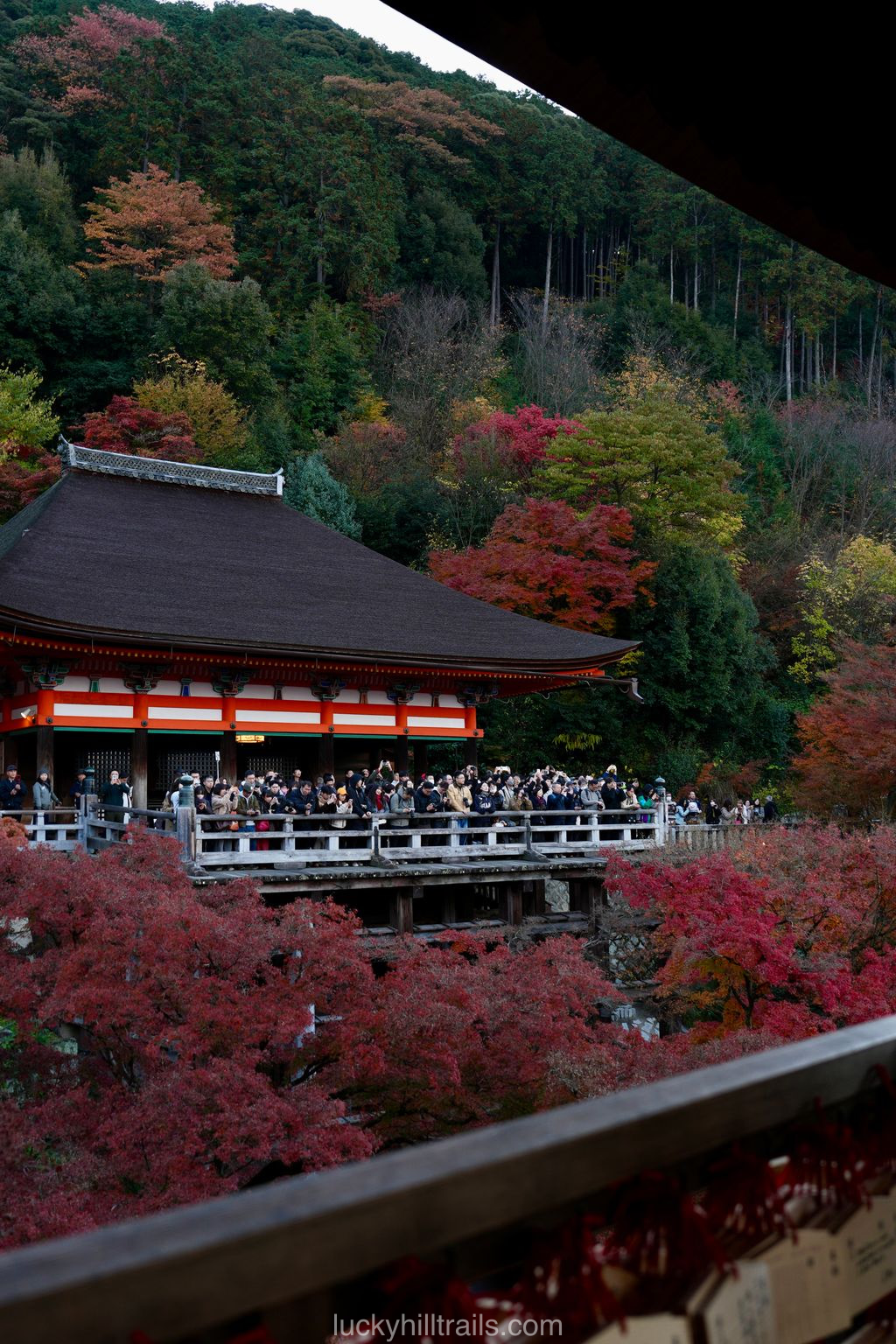 Official Kiyomizu-dera website.
Note: This temple is very popular even at dawn — visitors come to greet sunrise and watch the sunset. Expect crowds at any time of day.
Official Kiyomizu-dera website.
Note: This temple is very popular even at dawn — visitors come to greet sunrise and watch the sunset. Expect crowds at any time of day.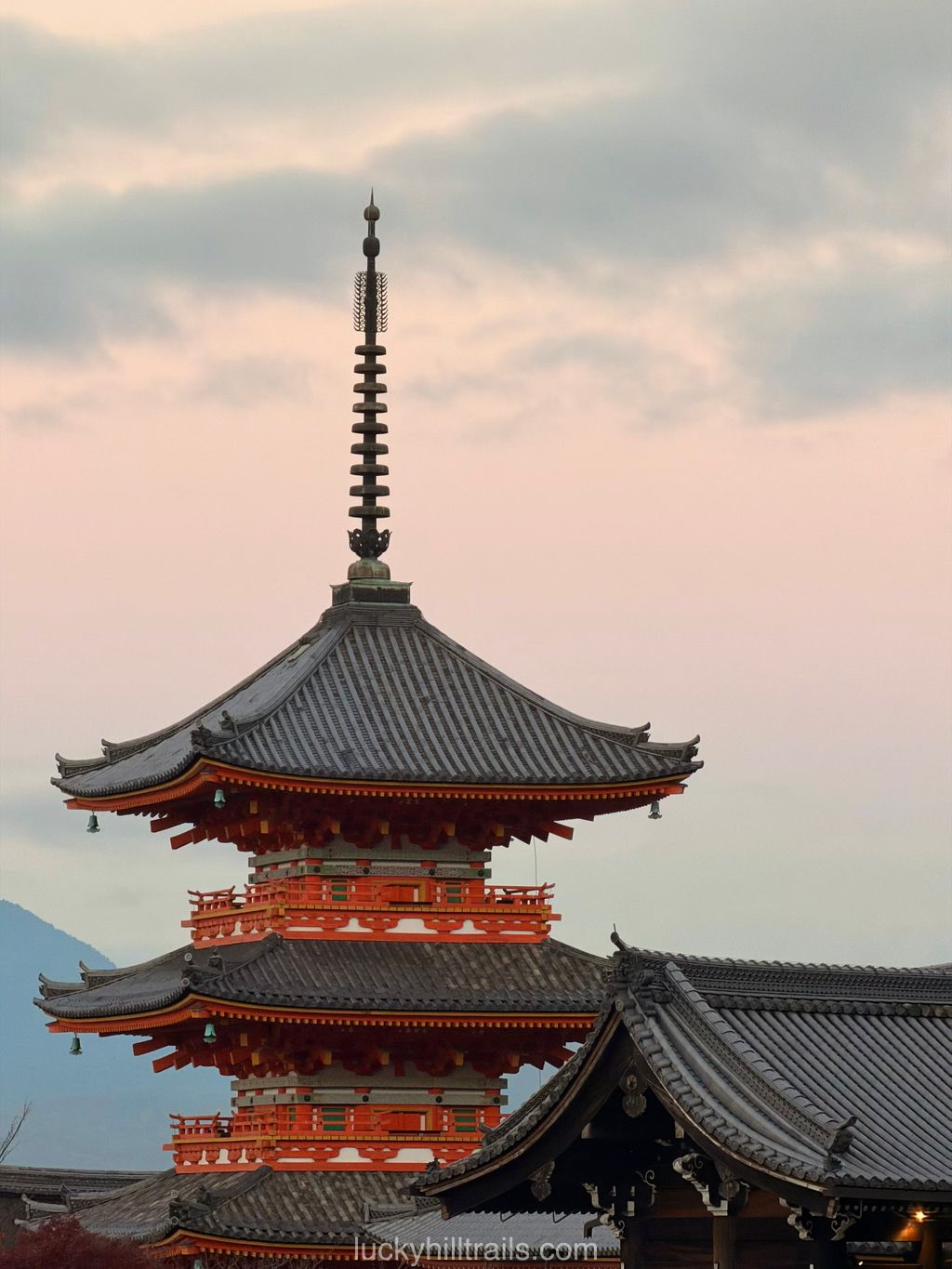
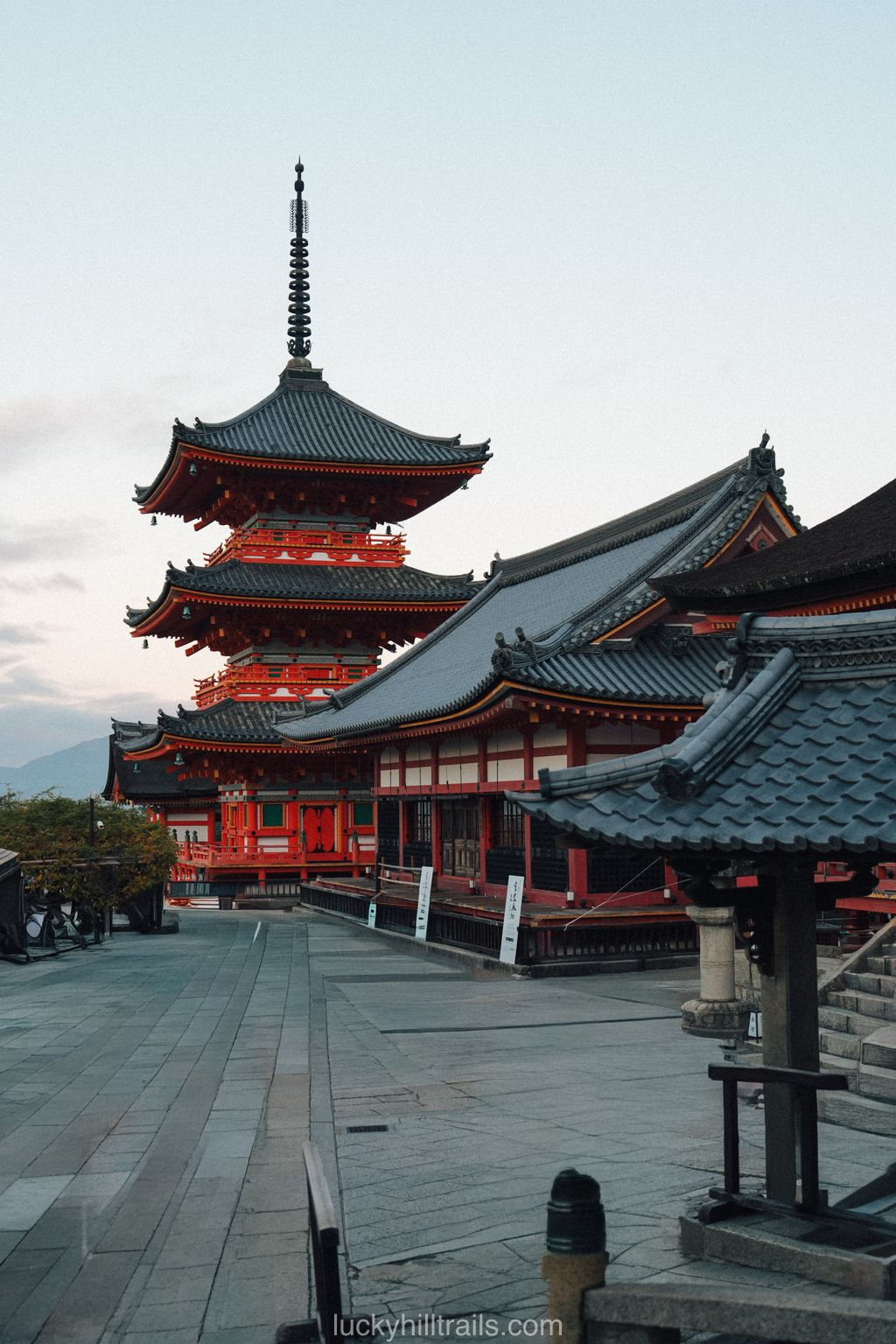
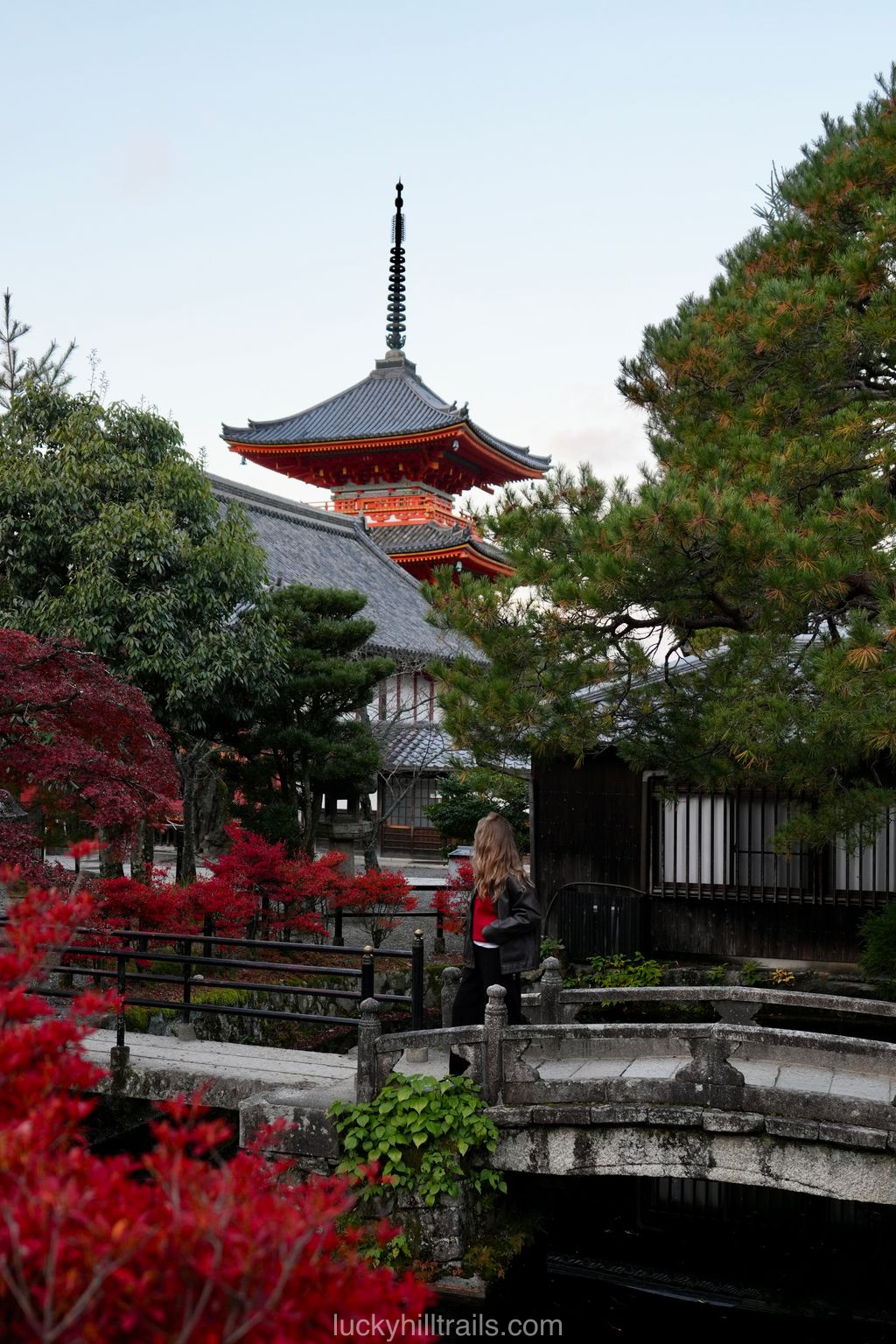
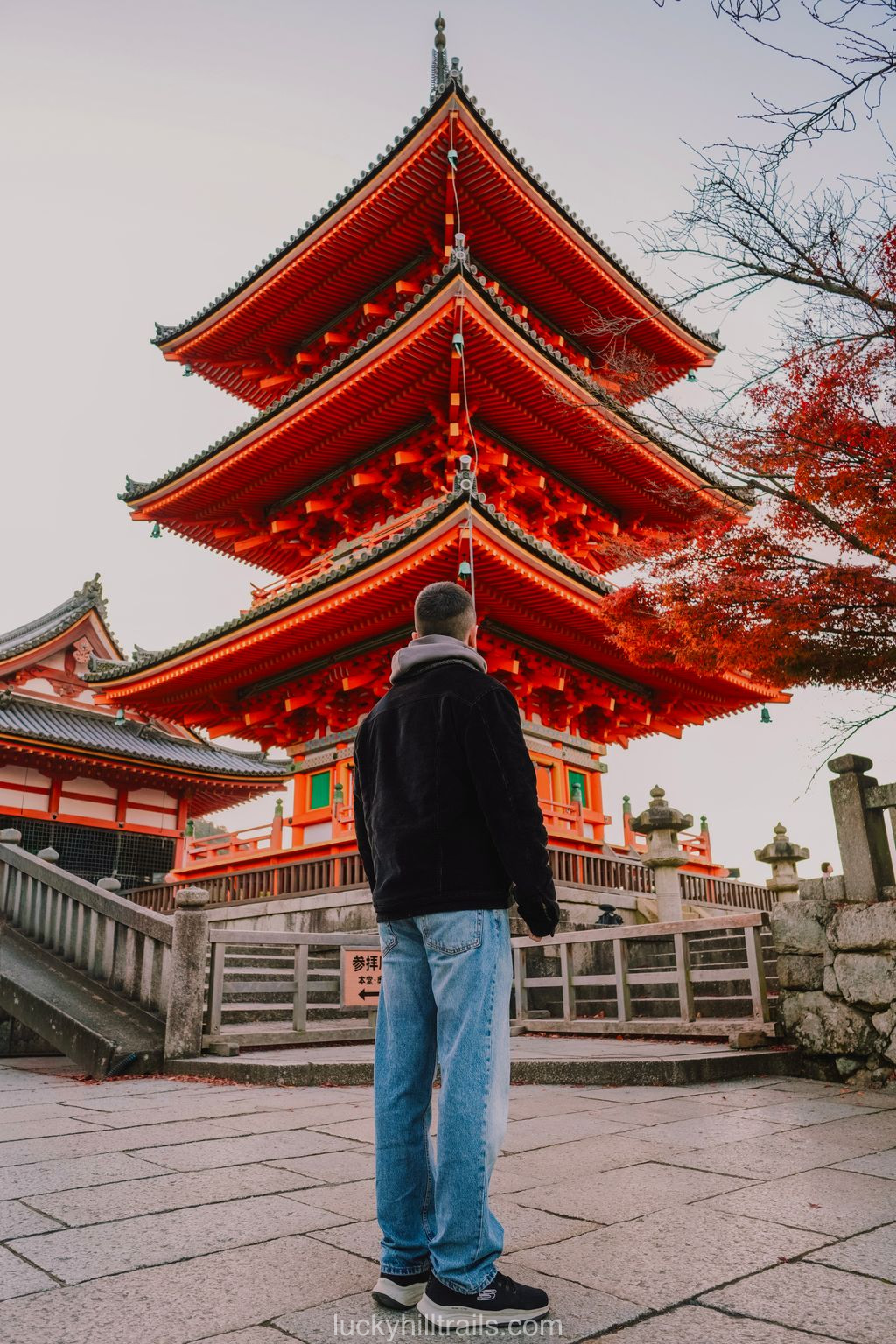
3. Daigo-ji Temple & Sanbō-in Garden
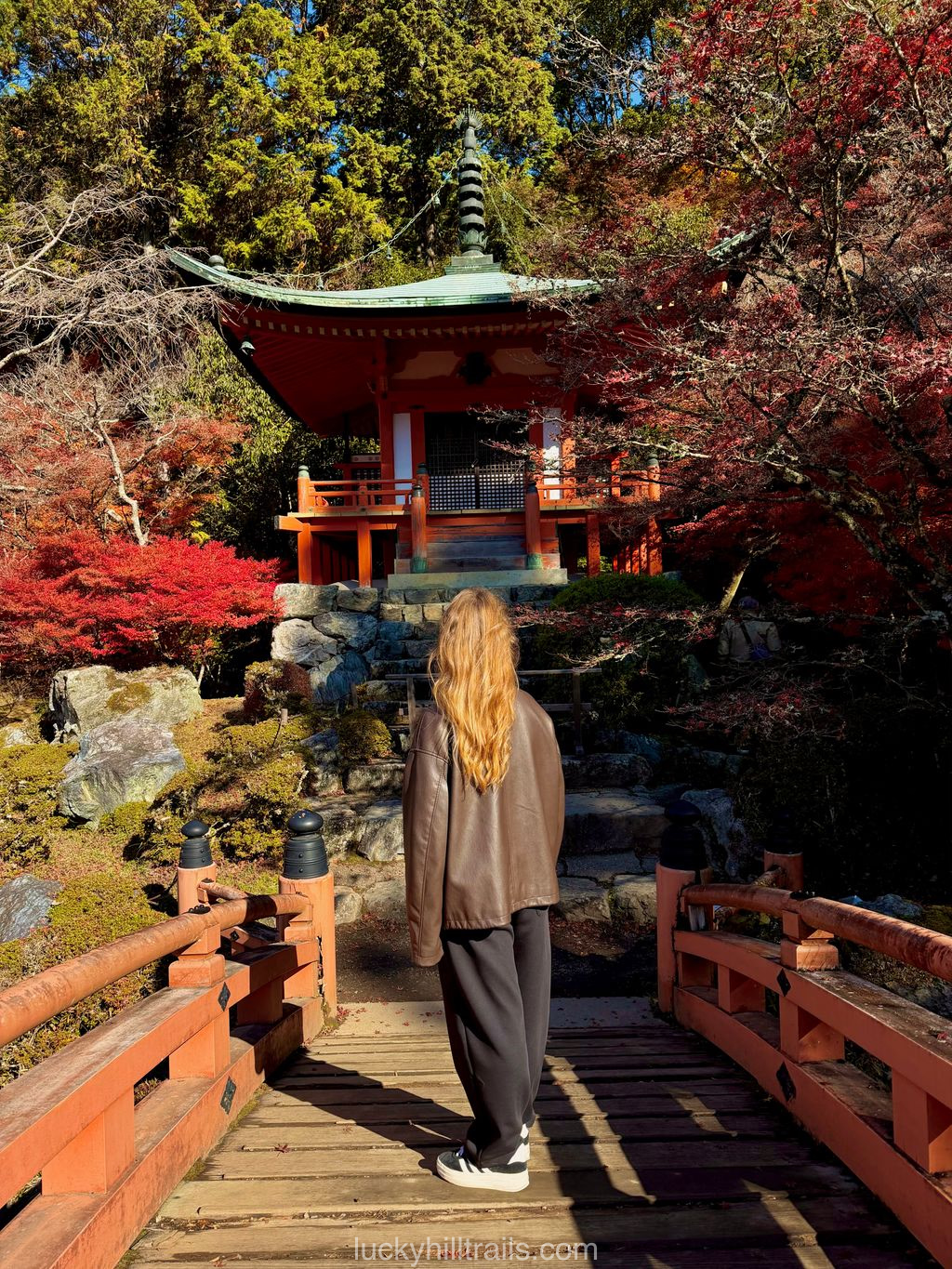
Daigo-ji is a large Buddhist temple complex on the eastern outskirts of Kyoto, also on the UNESCO World Heritage List. Its five-storey pagoda is the oldest surviving structure in Kyoto, built in 951. Be sure to also visit Sanbō-in Garden — one of the most beautiful gardens in the traditional Japanese style, laid out in 1598 on the orders of Toyotomi Hideyoshi for a hanami (cherry-blossom viewing) celebration.
⏳ Hours: 9:00–17:00 (March–December), 9:00–16:30 (January–February)
💶 Entry: ¥1500 (includes Sanbō-in and the main complex)
🚌 Getting there: Tōzai subway line to Daigo station, then ~10 min walk
Official Daigo-ji Temple website.
Note: Daigo-ji is a little off the beaten path, but the distance is well worth it — far fewer tourists and the grounds feel genuinely peaceful. In spring, during cherry blossom season, Daigo-ji is considered one of the most beautiful spots in all of Kyoto.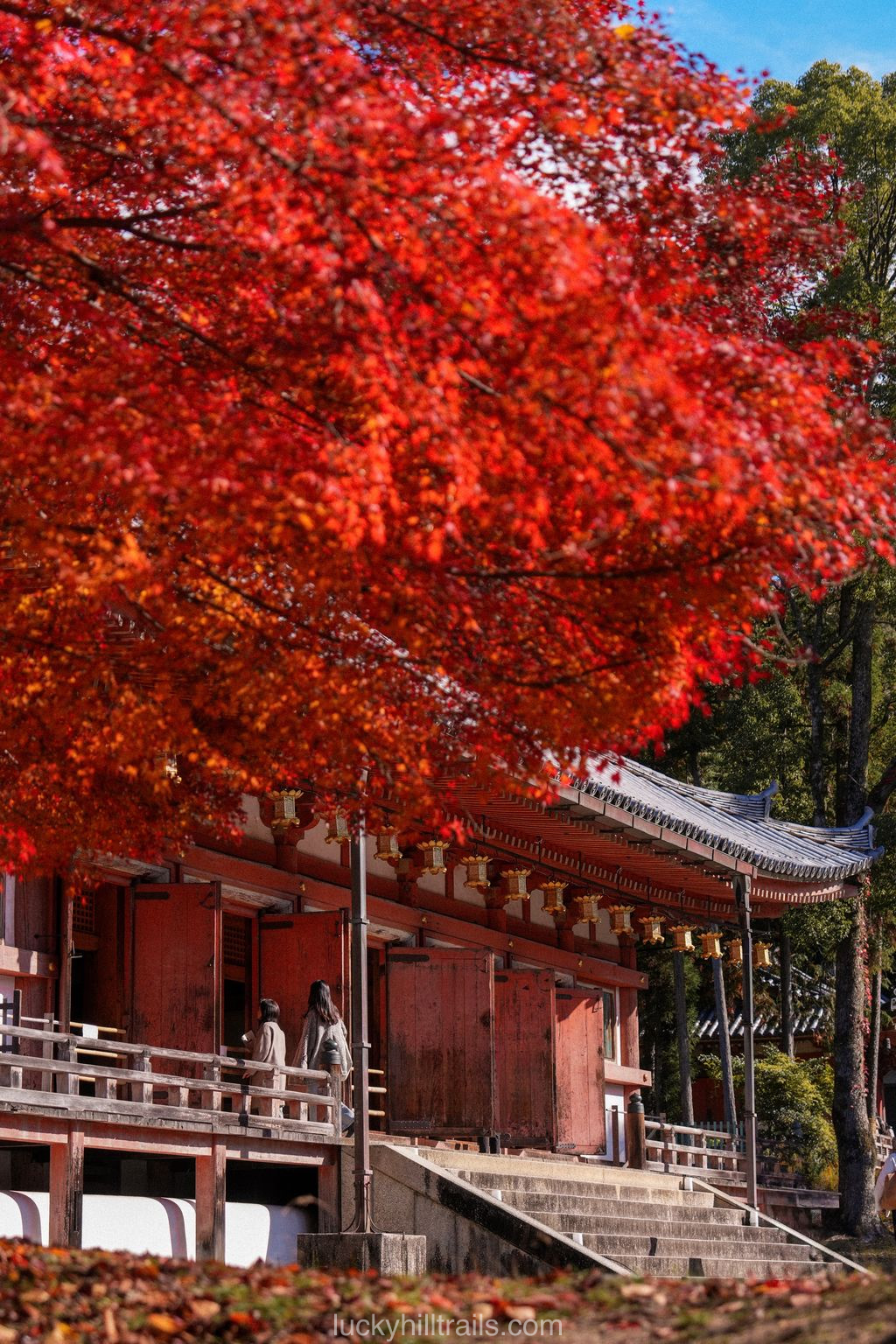
4. Pontocho
Pontocho is a narrow alley about 500 metres long running between the Kamo and Takase rivers. It is packed with traditional restaurants, tea houses, and bars where in the evenings you can spot real maiko (geisha apprentices). The alley has barely changed over the past few centuries and is one of the most authentic corners of Kyoto.
5. Gion. Tatsumi Bridge. Shirakawa
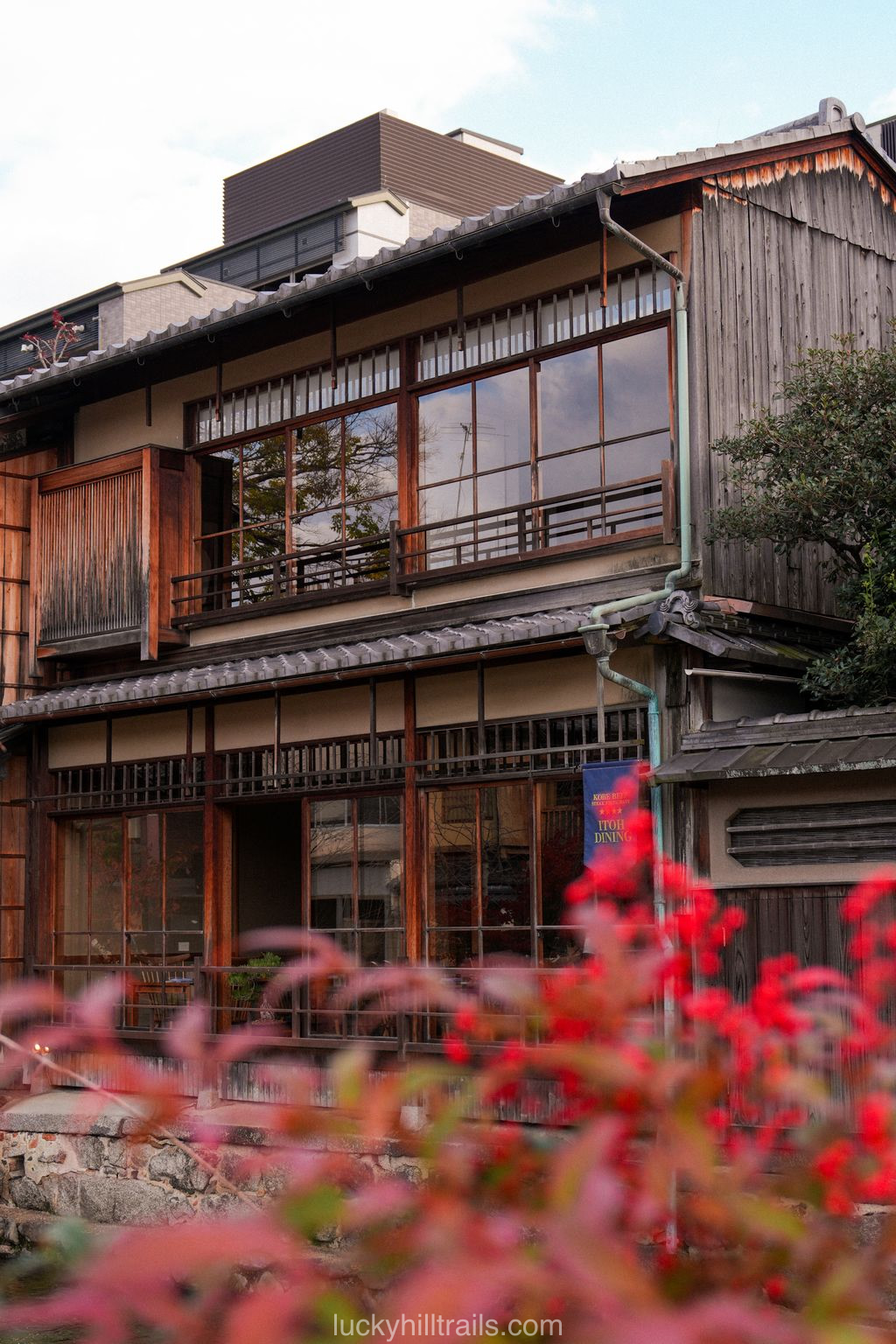
Gion is Kyoto’s famous geisha district, where narrow stone-paved streets are lit by the soft glow of lanterns. Stop at Tatsumi Bridge — a small bridge over the Shirakawa canal, where cherry trees and willows make the atmosphere of old Kyoto especially palpable. Shirakawa — the river itself and the embankment along it — is one of the most romantic spots in the city, especially in spring.
Note: In the evenings in Gion there is a chance to see maiko or geisha — they move between ochaya (tea houses) roughly between 18:00 and 21:00. Photographing them is allowed, but only from a distance and without following them — please respect their space.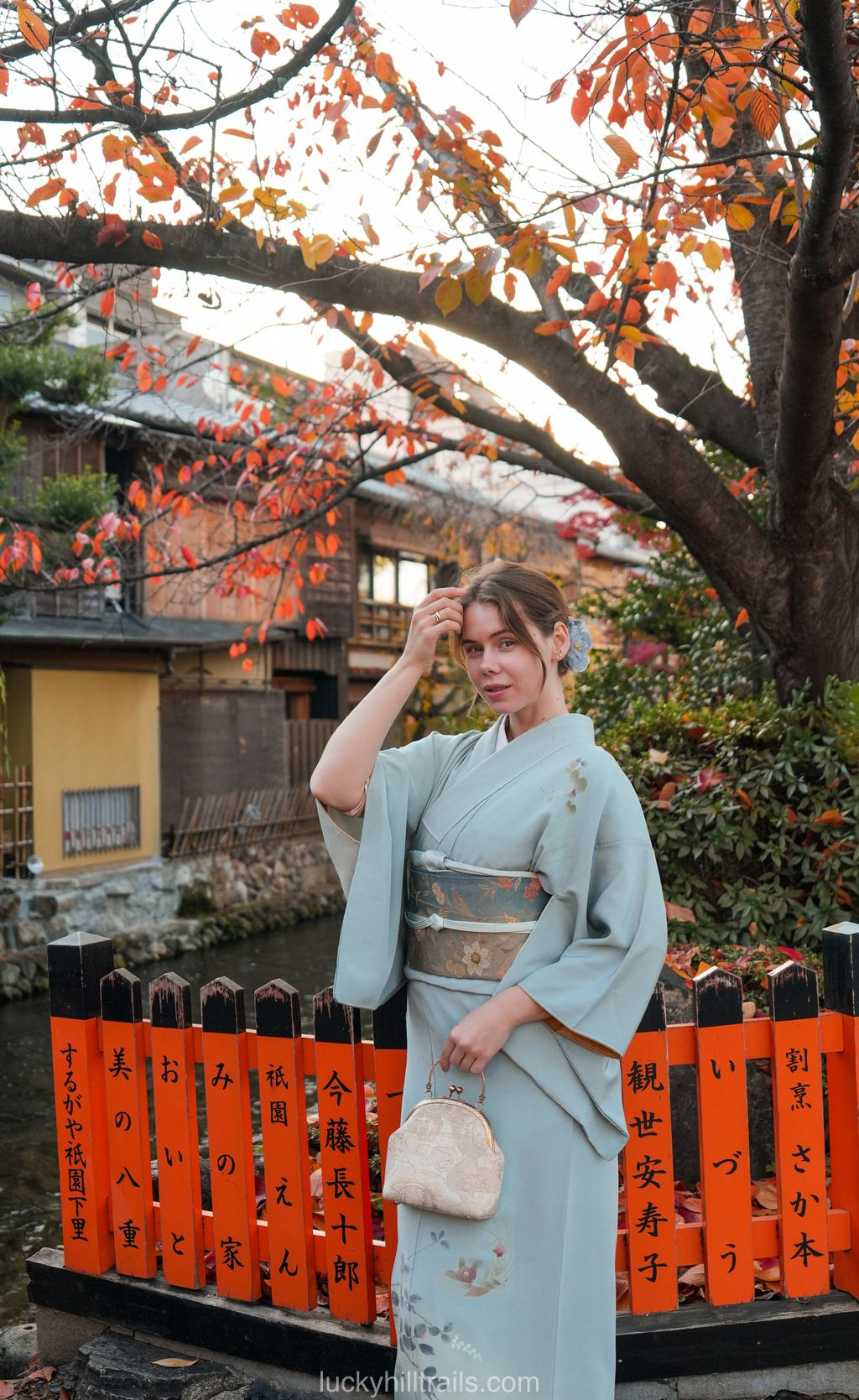
6. Golden Pavilion (Kinkaku-ji)
Kinkaku-ji (金閣寺), or the Golden Pavilion, is arguably Japan’s most recognisable structure. The top two floors of the building are completely covered in gold leaf, and their reflection in the Kyōko pond in front creates what is undoubtedly one of the most beautiful views in the country.
⏳ Hours: 9:00–17:00
💶 Entry: ¥500 for adults
🚌 Getting there: Bus №101 or №205 from Kyoto Station to Kinkakuji-michi stop
Official Kinkaku-ji website.
Note: Kinkaku-ji is one of Kyoto’s busiest tourist sites. Arrive as early as possible — right at opening at 9:00 — to take photos without a crowd. The route through the grounds is one-way, so you can’t double back — pay attention as you go.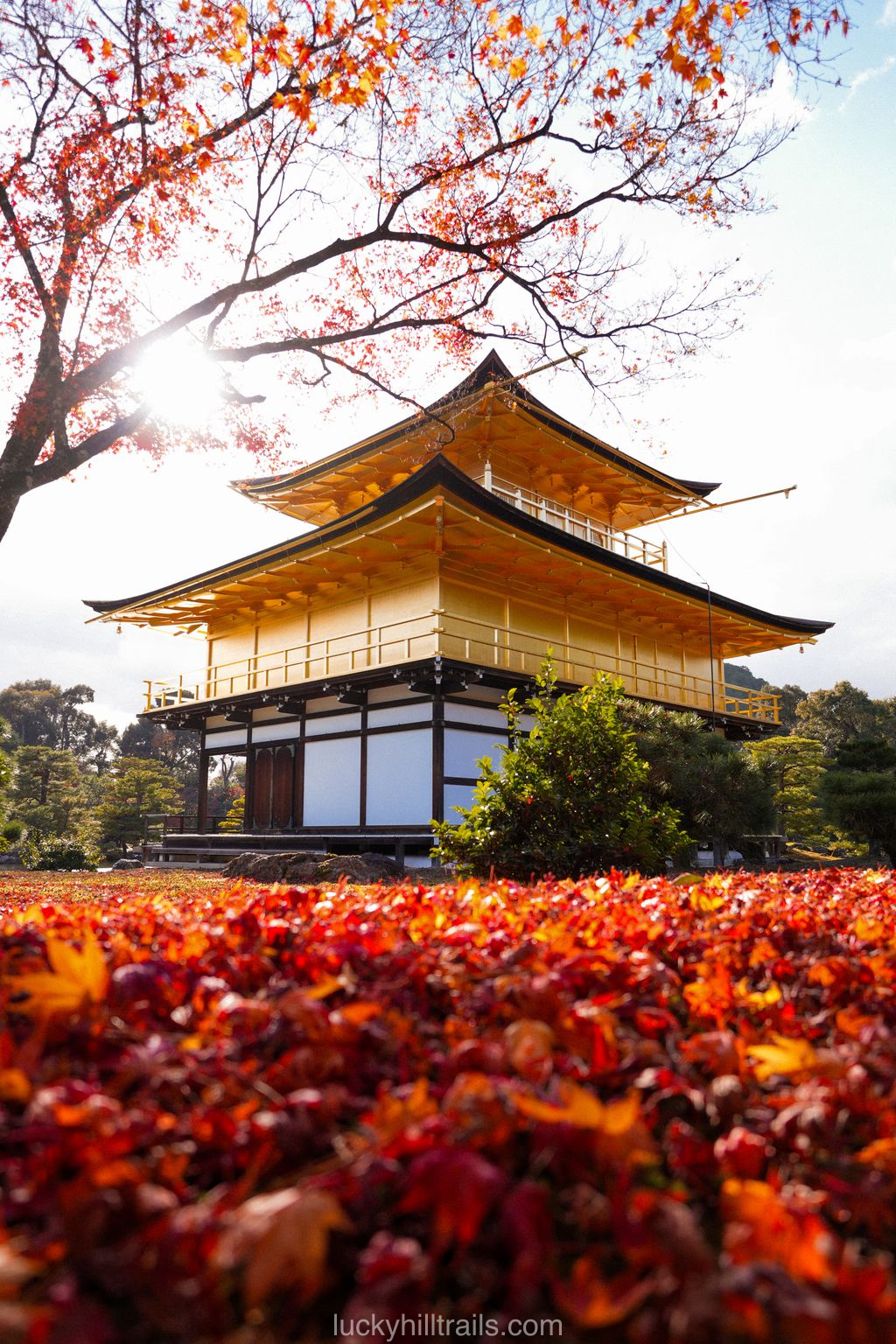
7. Fushimi Inari Taisha
Fushimi Inari Taisha is a shrine that begins at the foot of Mount Inari and winds upward through thousands of bright-orange torii gates. The full trail to the summit takes about 2–3 hours, but even the first 30–40 minutes give you complete immersion: the torii stand closely one after another, forming living tunnels. Along the way you’ll find small shrines, stone kitsune foxes, and little tea houses.
⏳ Hours: open 24 hours, free entry
🚃 Getting there: JR Nara Line to Inari station
🥾 Footwear: comfortable shoes recommended — it’s a mountain trail
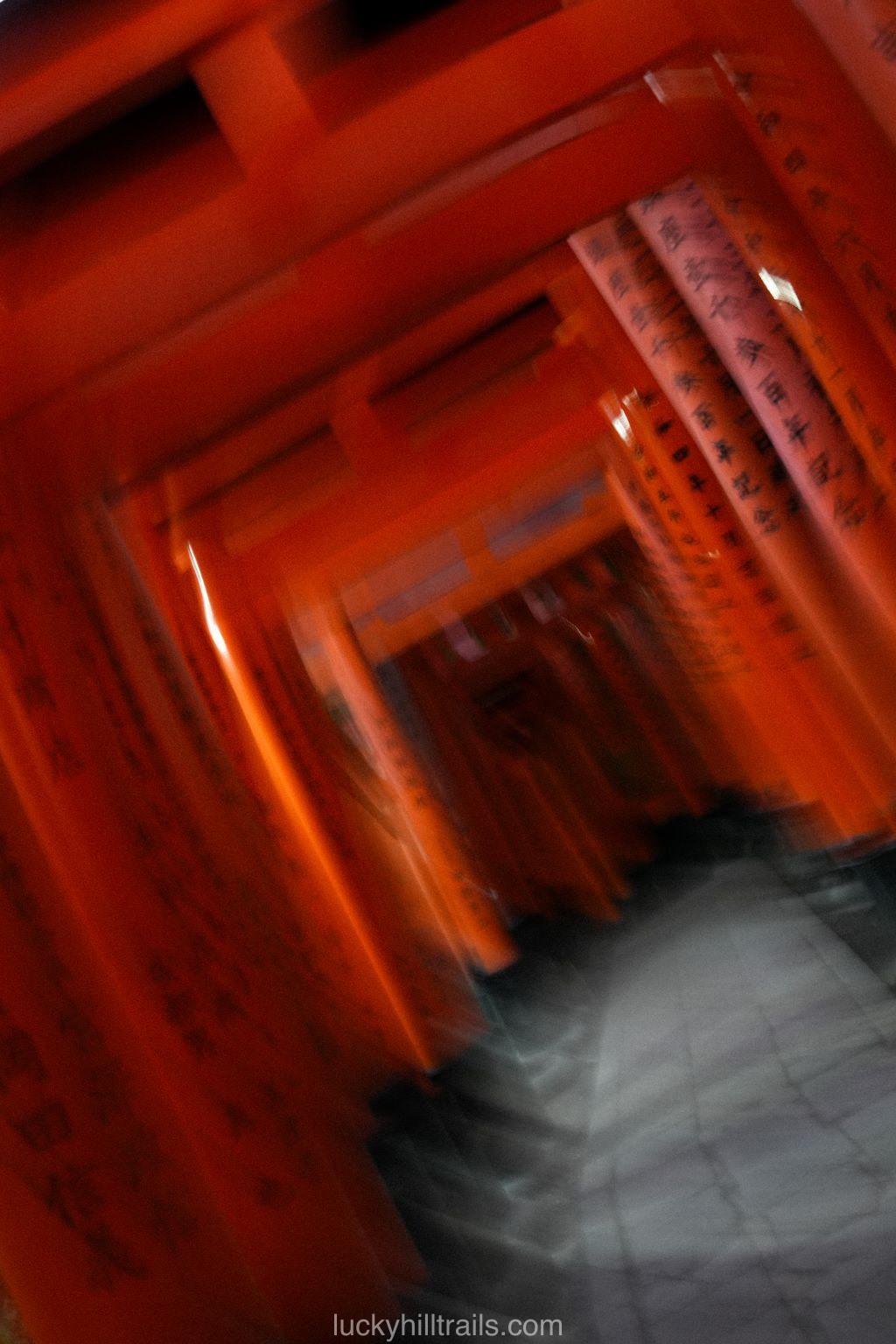
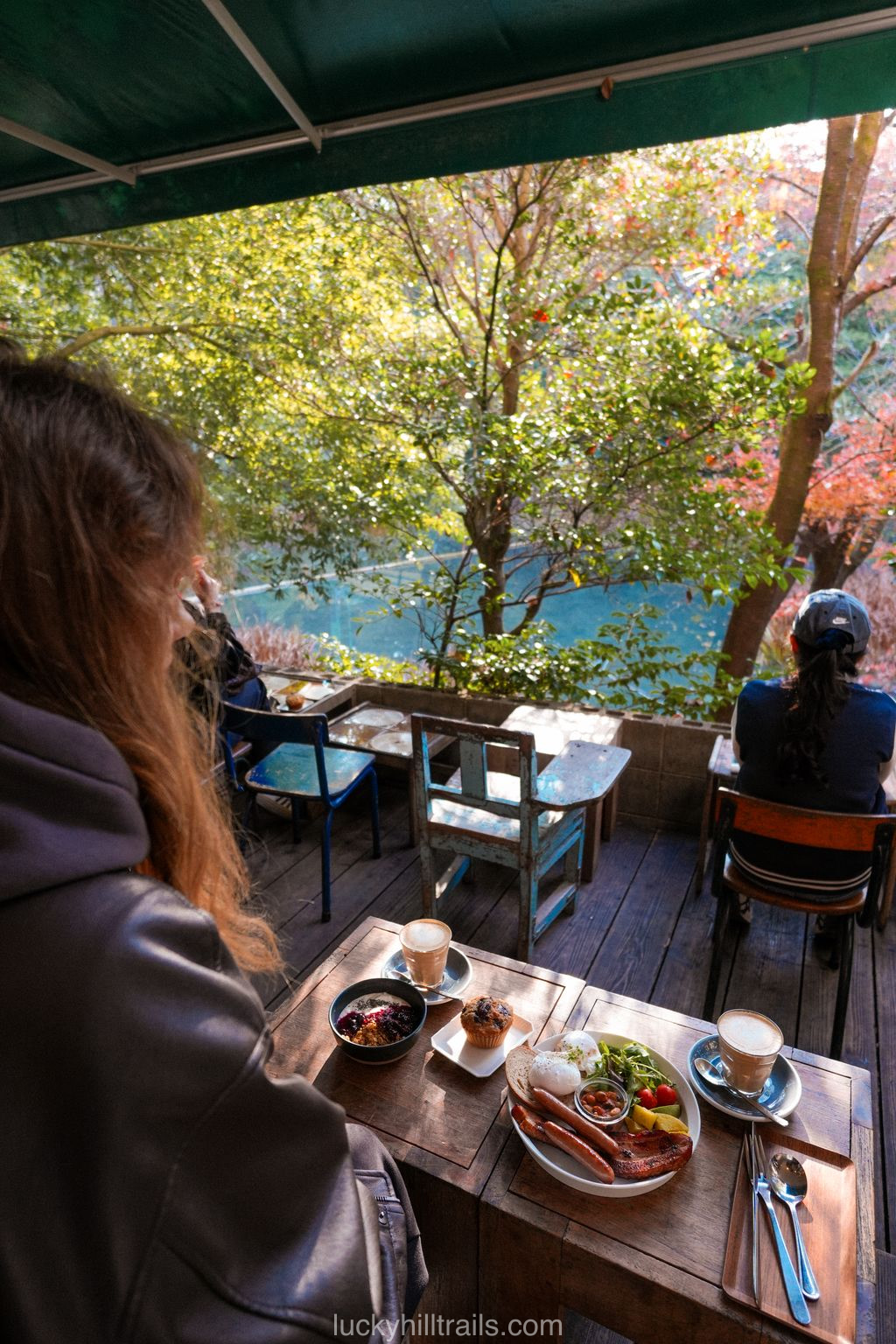
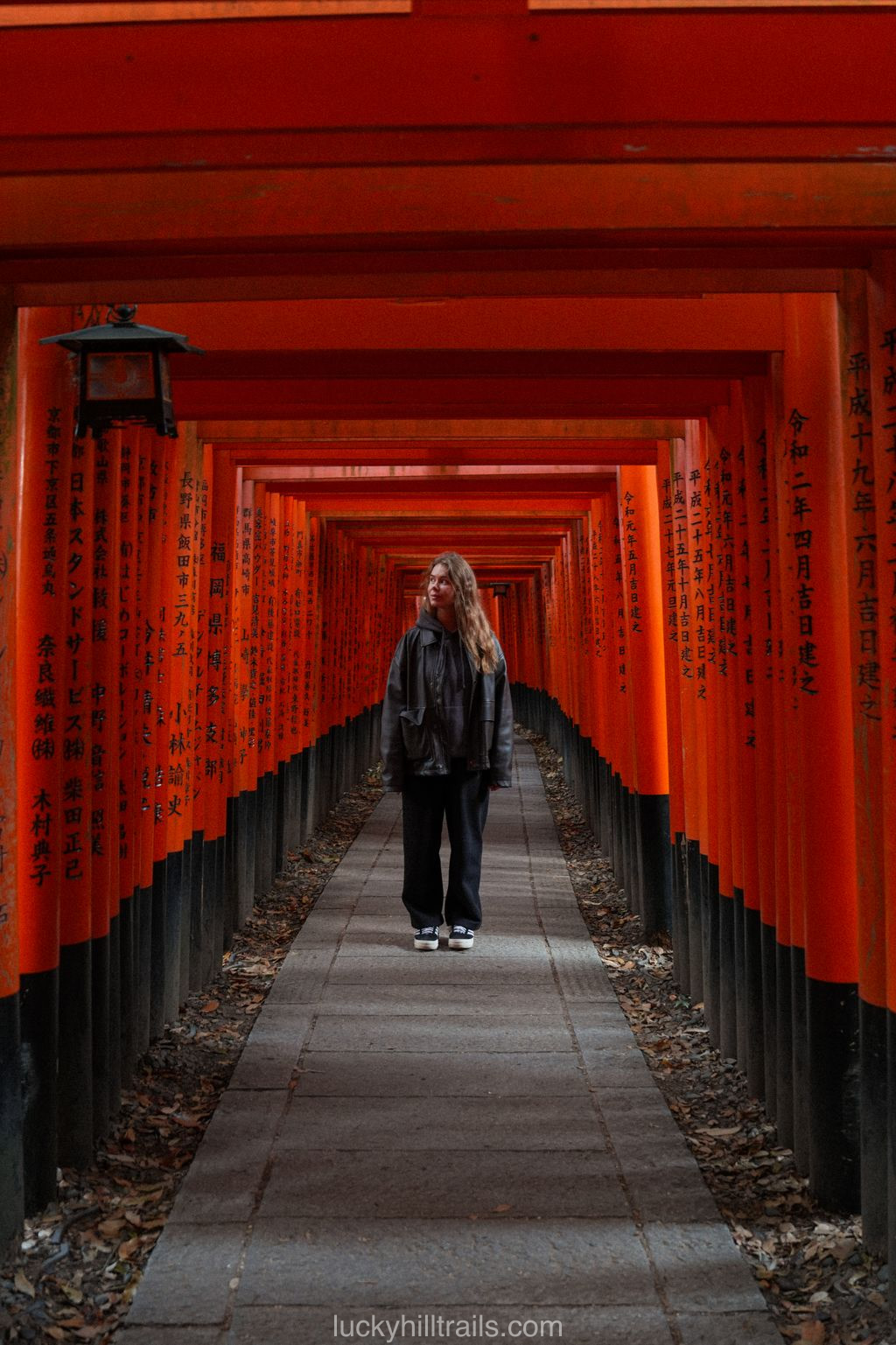 Note: During the day the torii are packed with tourists. For atmospheric photos, come early in the morning — before 7:00 — or in the evening after 18:00 when the crowds thin out. Right by the entrance there is a wonderful Vermillion Cafe — the perfect spot for breakfast before the climb. Vermillion Cafe near Fushimi Inari on the map.
8. Zenkyo-an Temple
Zenkyo-an is a small Zen temple in the Gion district, a sub-temple of the famous Kenninji. The principal deity here is Marishiten (摩利支天), goddess of victory and protection, said to ride a chariot pulled by seven wild boars. That is why stone boars (猪, inoshishi) are placed throughout the grounds — sacred animals and messengers of the goddess. Instead of the usual lion-dog guardians at the gate, Zenkyo-an has boar guardians — a rarity in Japan.
⏳ Hours: 10:00–16:30
💶 Entry: free
Official Zenkyo-an website.
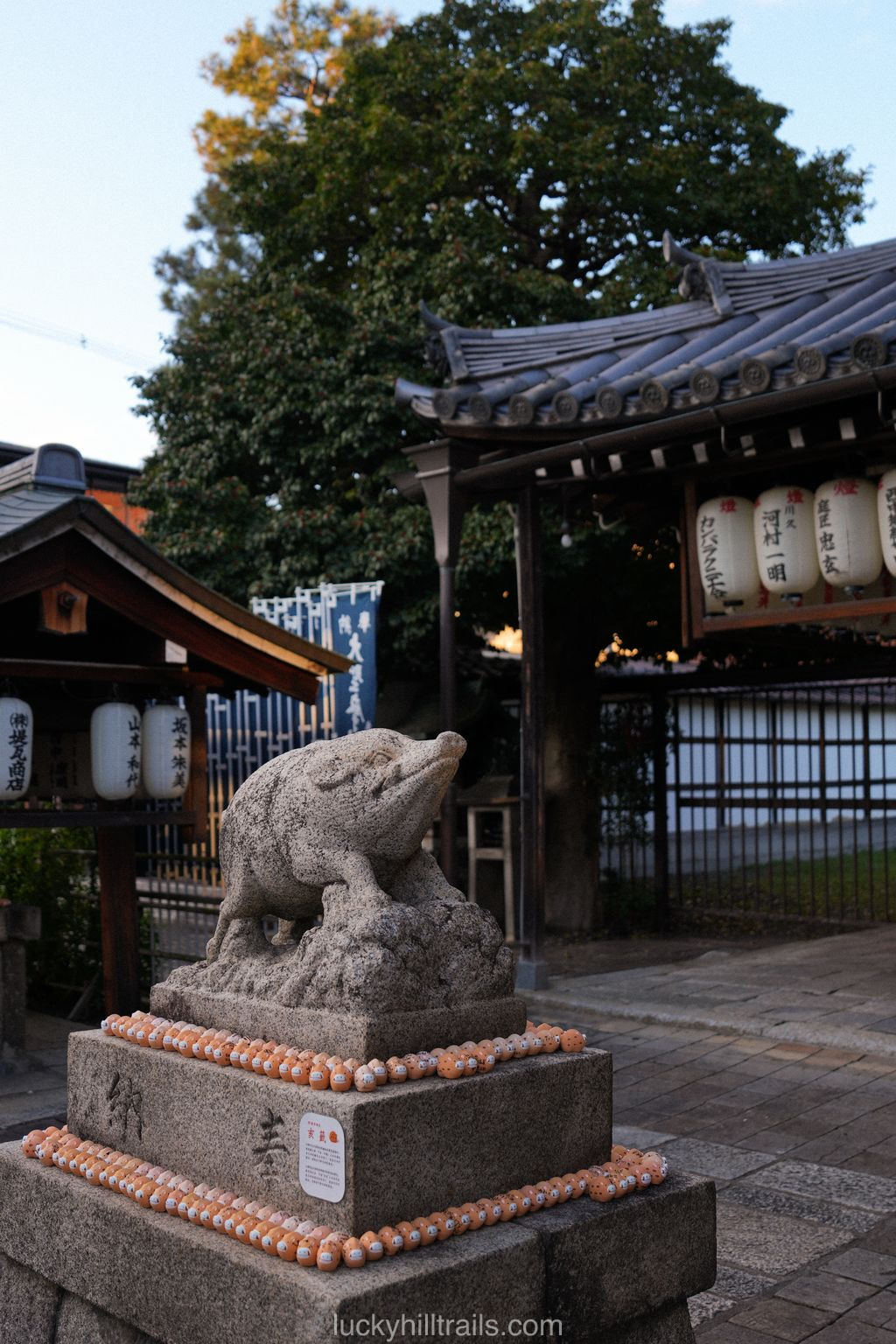
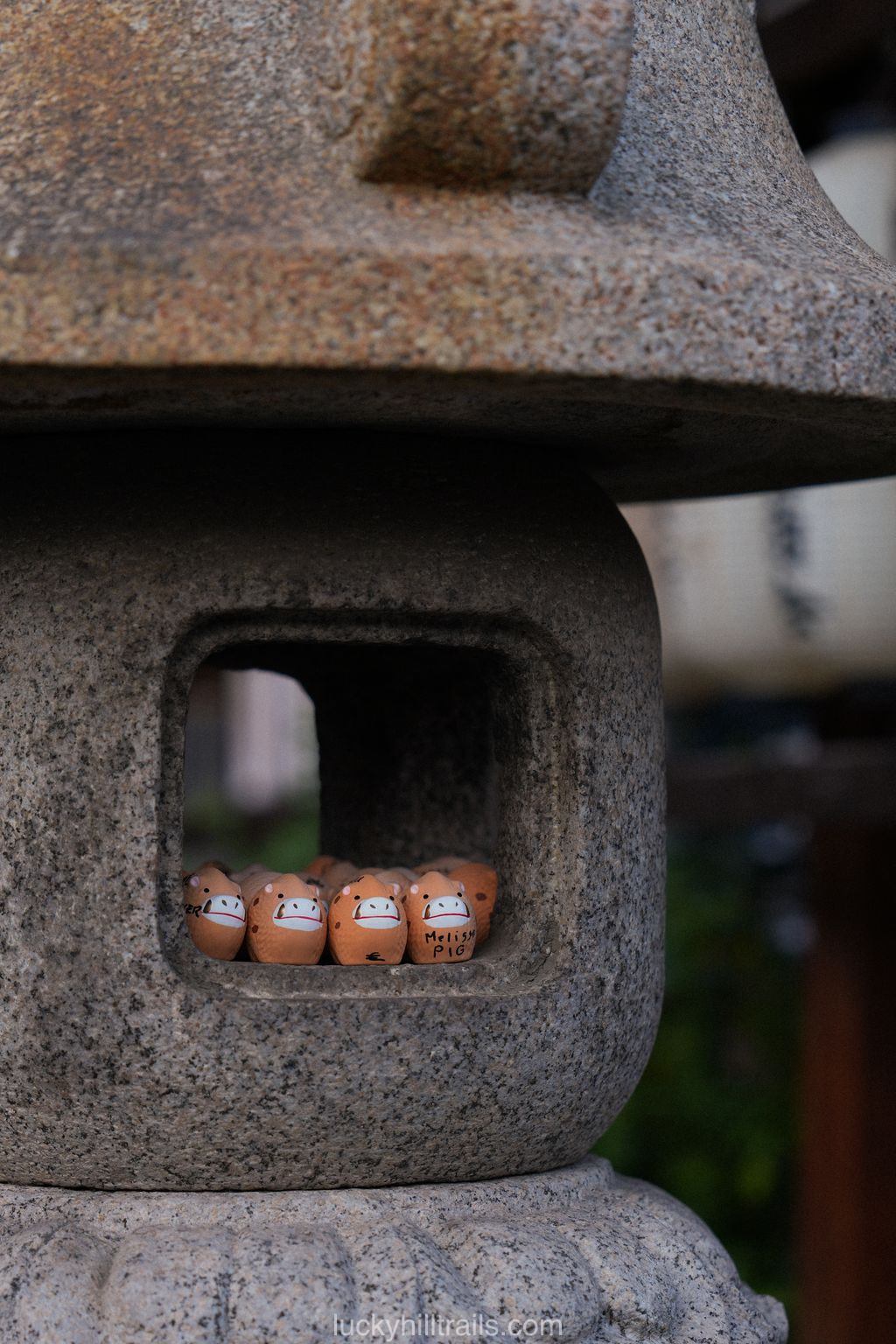 Note: Zenkyo-an is much less known to tourists than the neighbouring temples, so it is considerably quieter here.
9. Kimono Experience
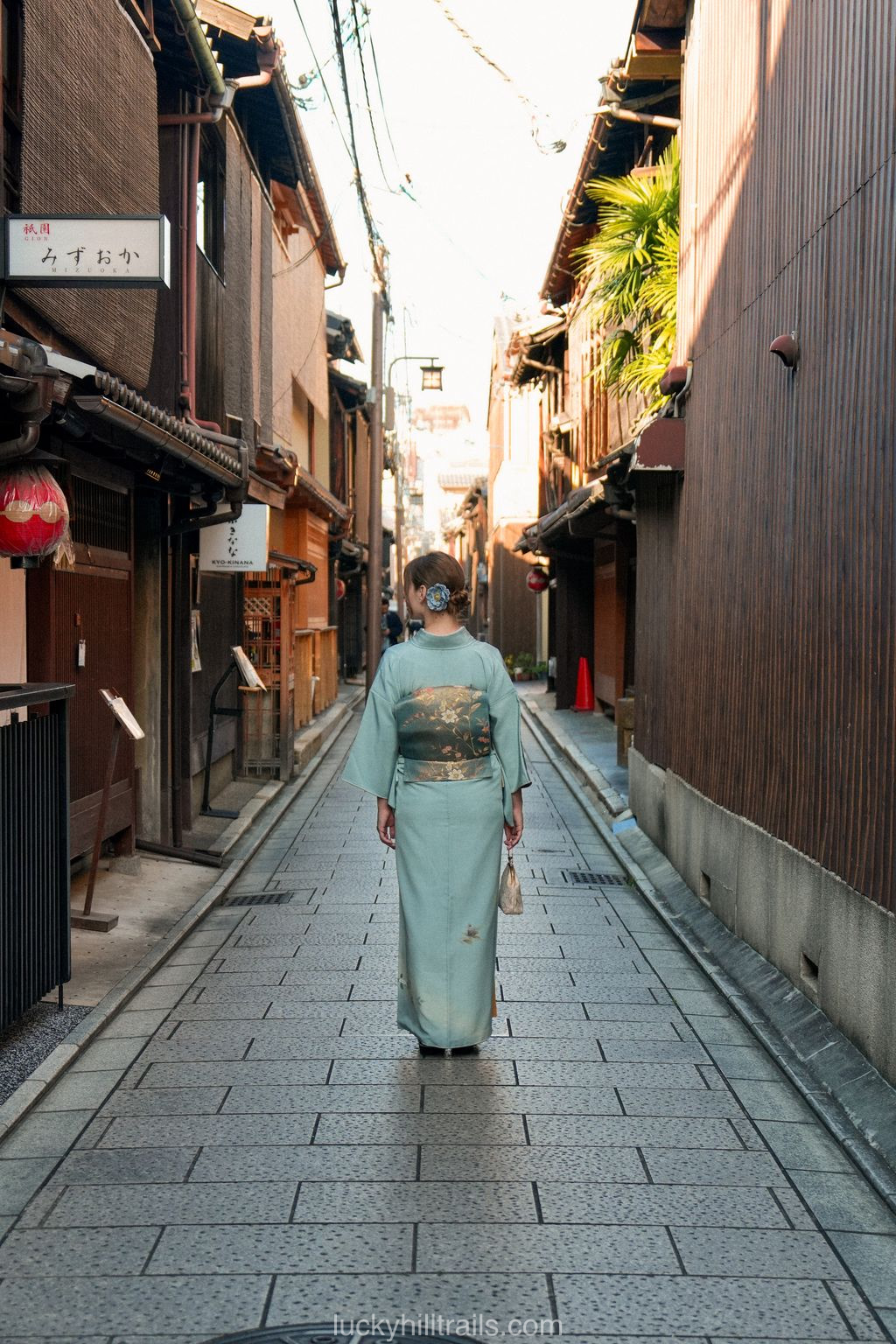
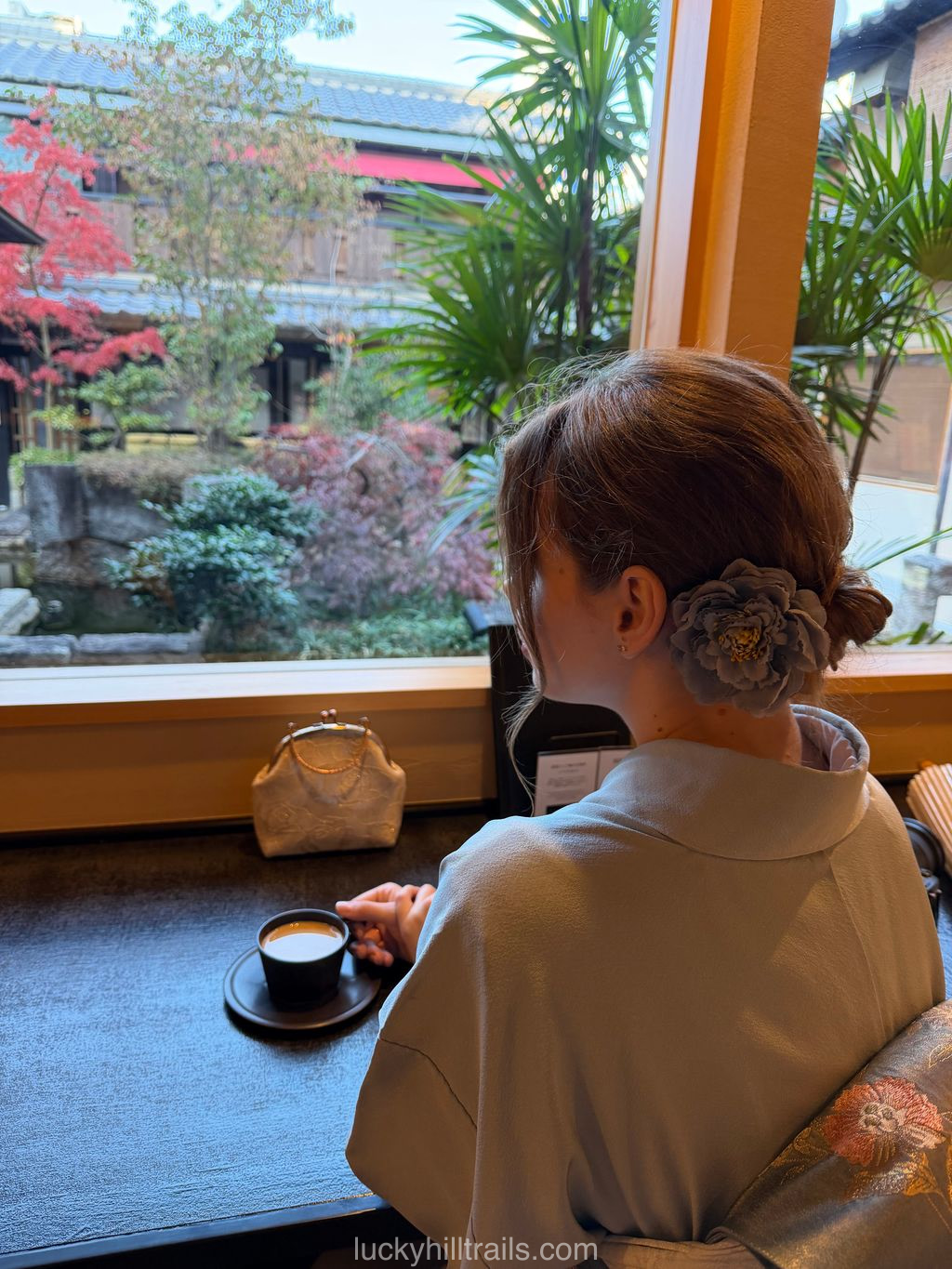
Dressing in a kimono in Kyoto is not just a tourist attraction — it’s a genuine immersion in Japanese culture. The city has dozens of rental studios where staff will dress you in traditional Japanese clothing, style your hair, and send you out to explore the city. It’s especially atmospheric to stroll in kimono through the streets of Sannenzaka, Gion, or along Shirakawa.
💶 Cost: from ¥5,000 for a full-day kimono rental (includes dressing and accessories)
⏳ Hours: studios typically open at 9:00, last return ~18:00
📍 Where to find: the most studios are in the Gion and Higashiyama districts
Hairmake & Kimono Rental First Kiyomizu Shop — the studio I used.
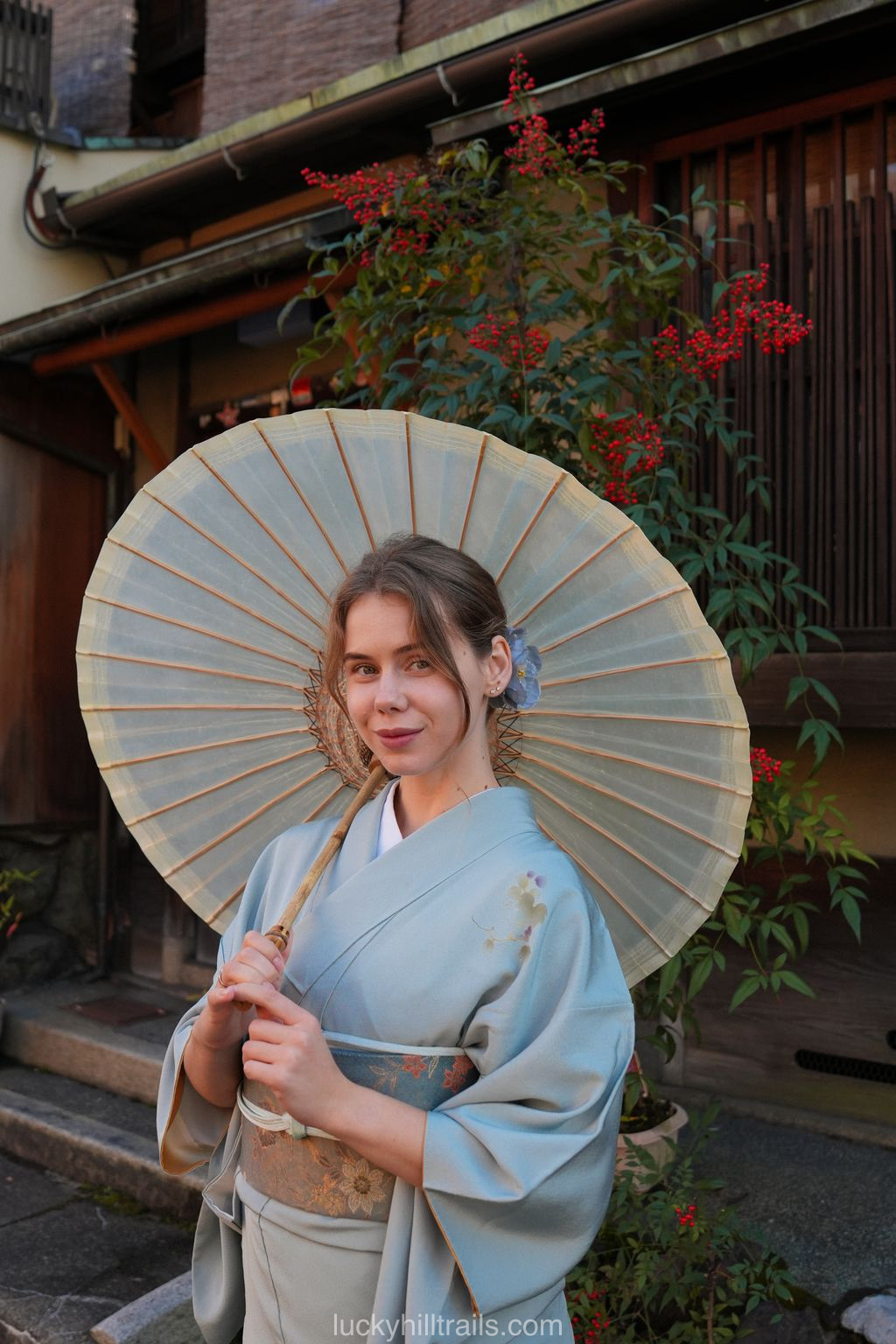
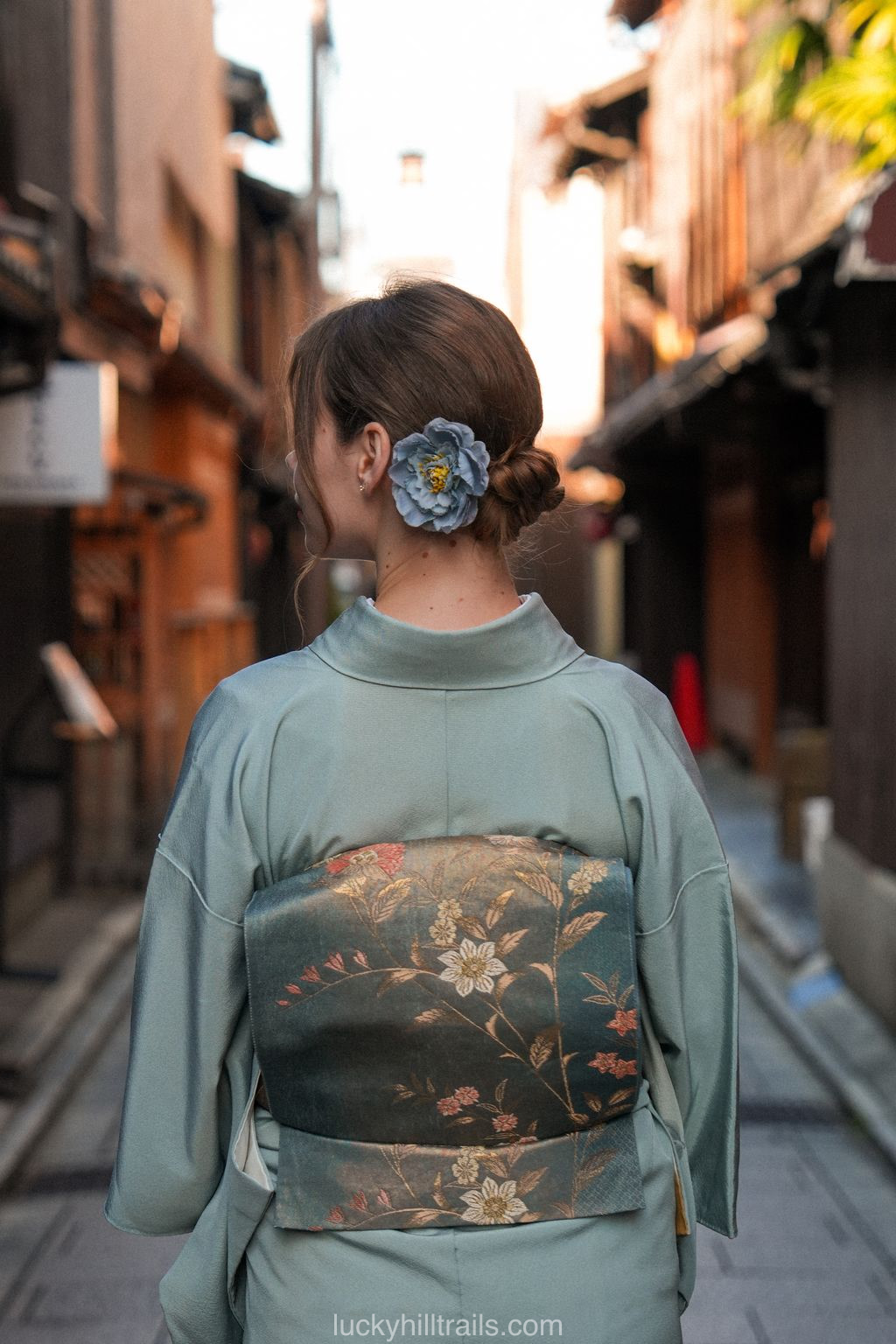 Tip: Book ahead, especially during cherry blossom season and autumn foliage — studios fill up fast. Also consider the weather: in the heat a kimono can be very warm, and moving around in the rain is awkward. Bear in mind that the kimono is tied quite tightly — I could only manage 3 hours because it was hard to breathe.
10. Day Trip to Arashiyama
Arashiyama is a district on the western edge of Kyoto with a bamboo grove, a monkey park, and ancient temples set amid forest. A great option for a full day away from the city centre.
Full guide to Arashiyama — bamboo grove, monkeys and temples.

11. Day Trip to Nara Park
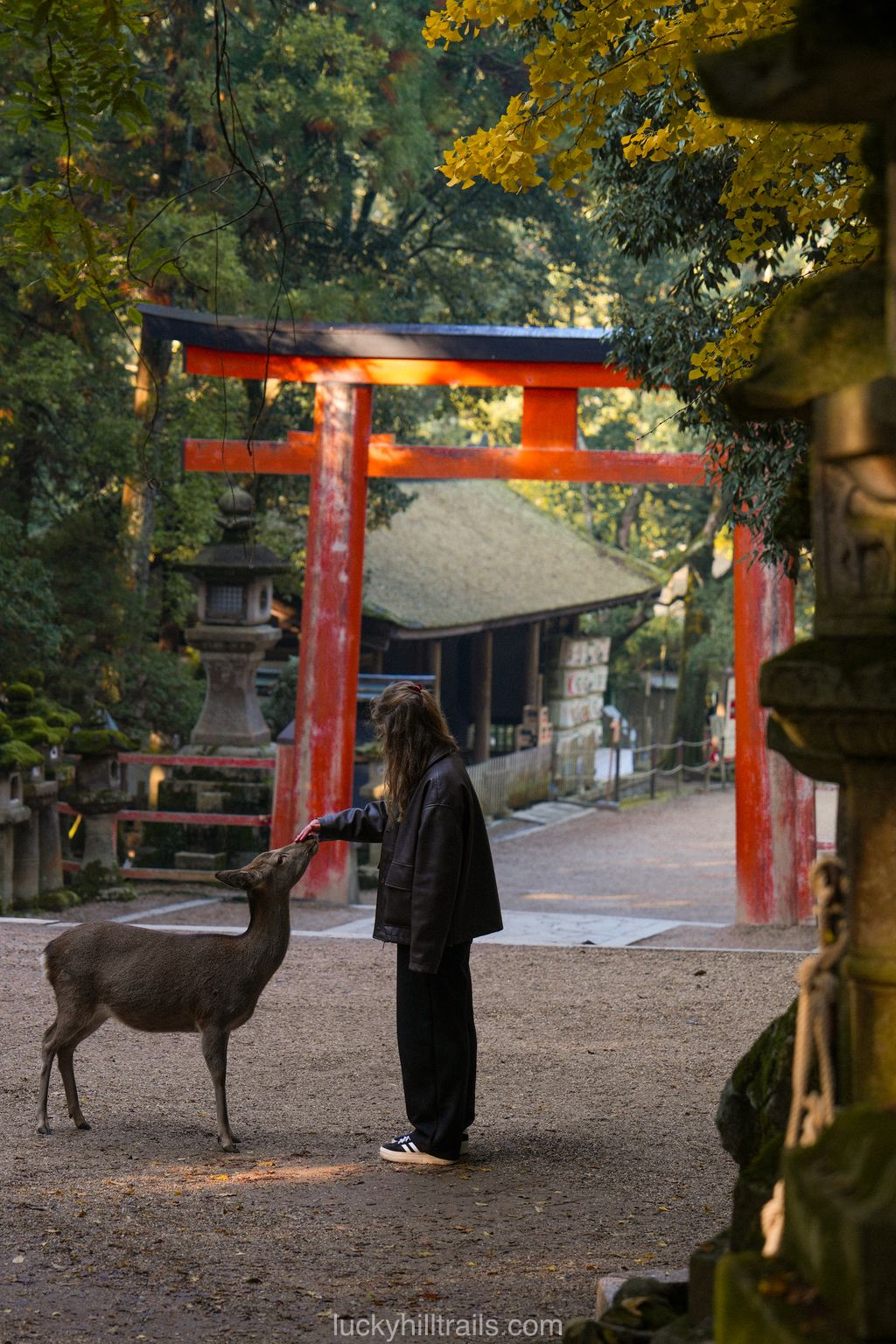
From Kyoto it is very easy to make a day trip to Nara — Japan’s ancient capital where sacred deer roam freely through the streets. Nara Park, the giant Buddha statue at Tōdai-ji, and quiet temples surrounded by forest — all just 40–50 minutes from Kyoto.
Full guide to Nara — route, temples and tips.
Cafes & Restaurants
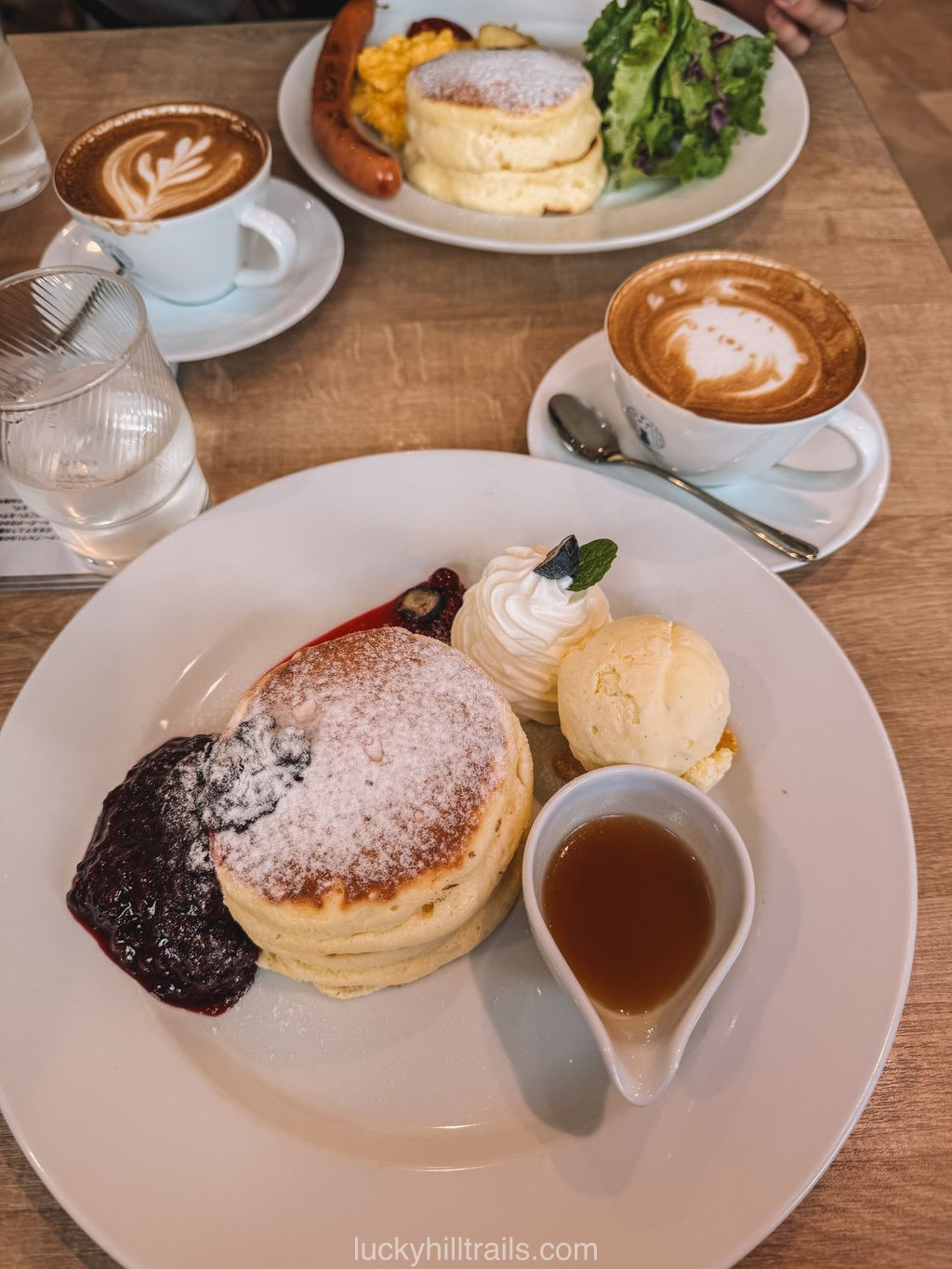
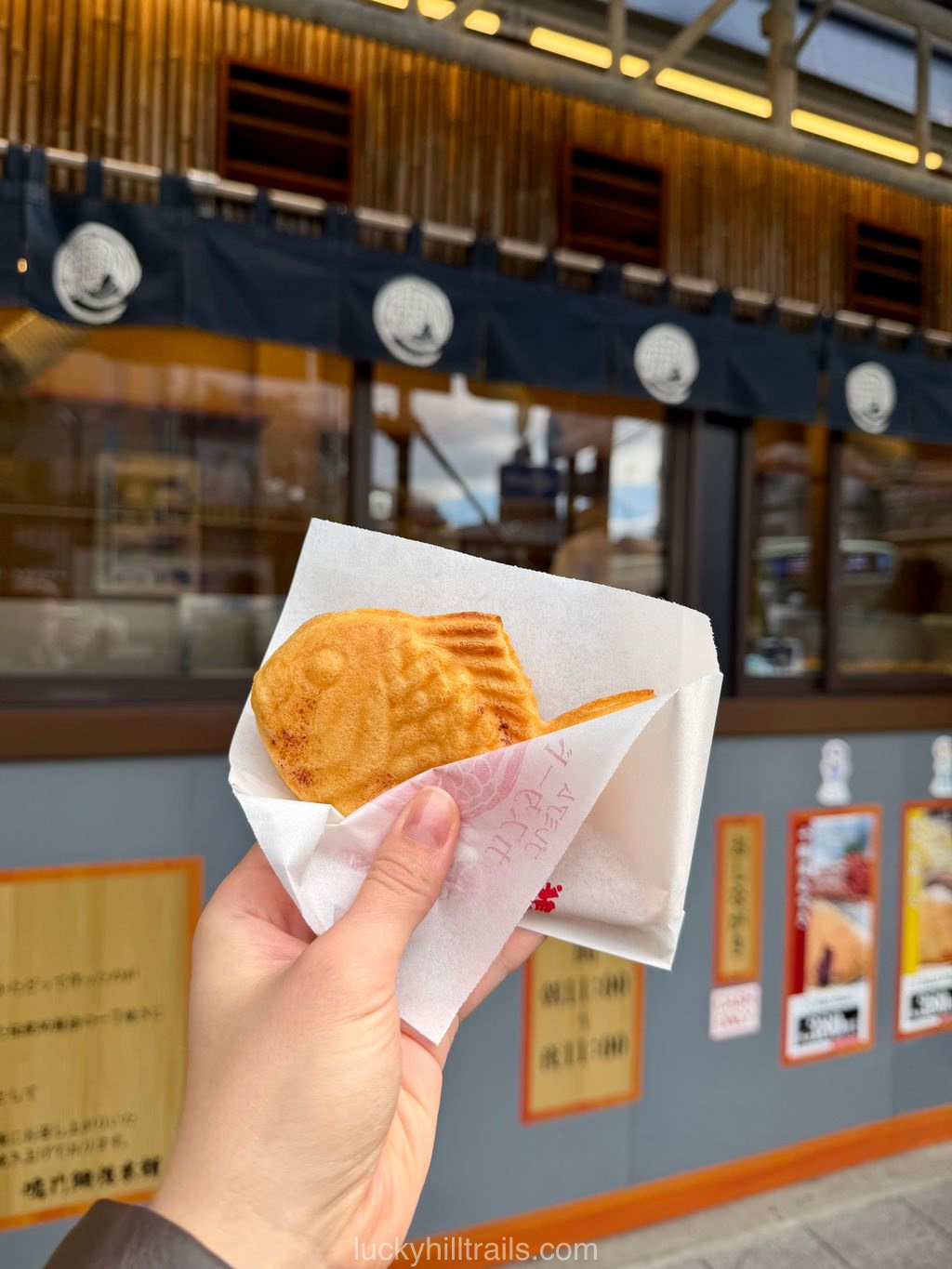
Sakura Cafe Hanon (Japanese pancakes) – fluffy soufflé pancakes that melt in your mouth — a must-try in Kyoto.
Black Cat Coffee – a cosy coffee shop with excellent coffee — perfect before a morning walk.
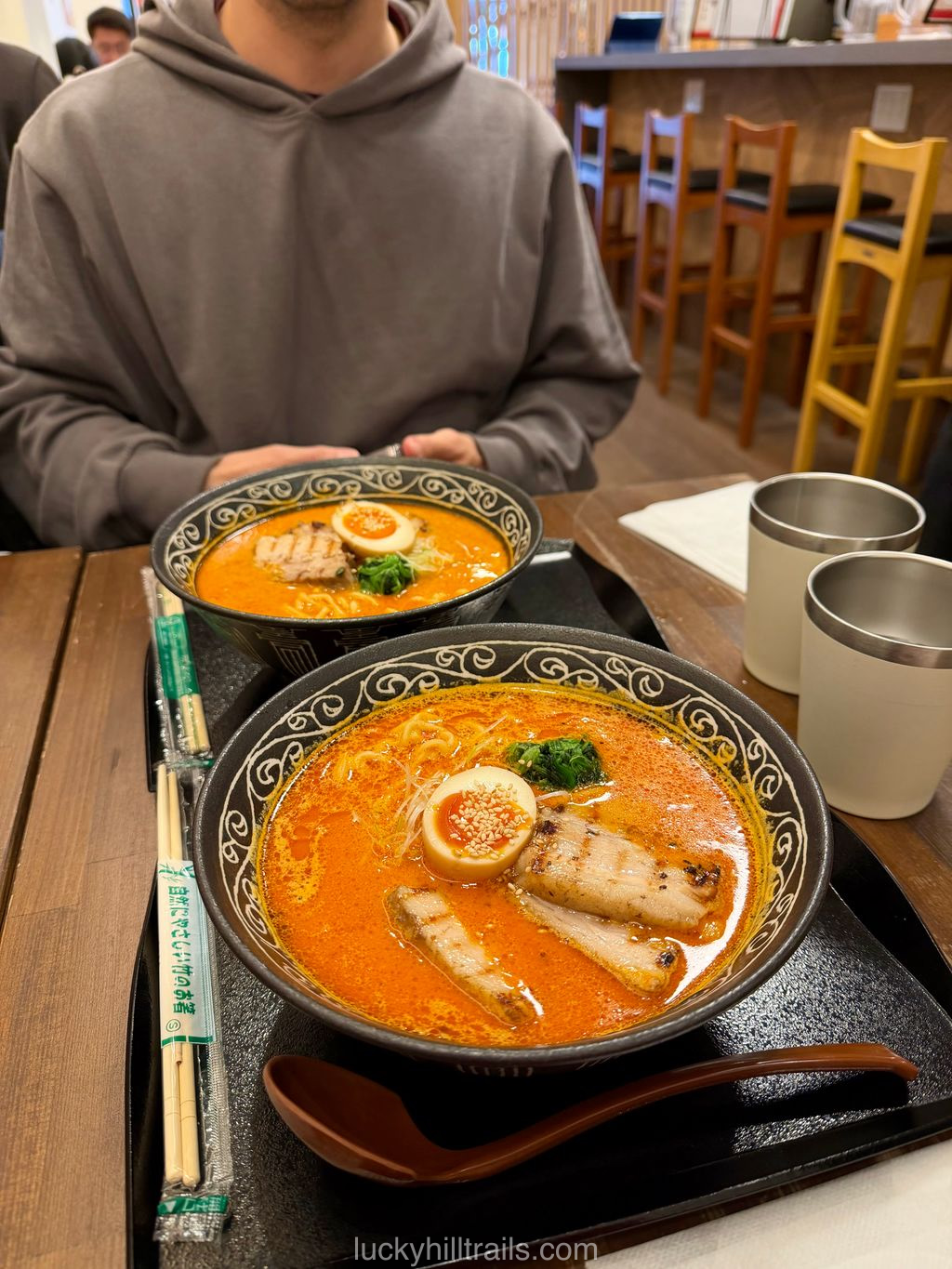
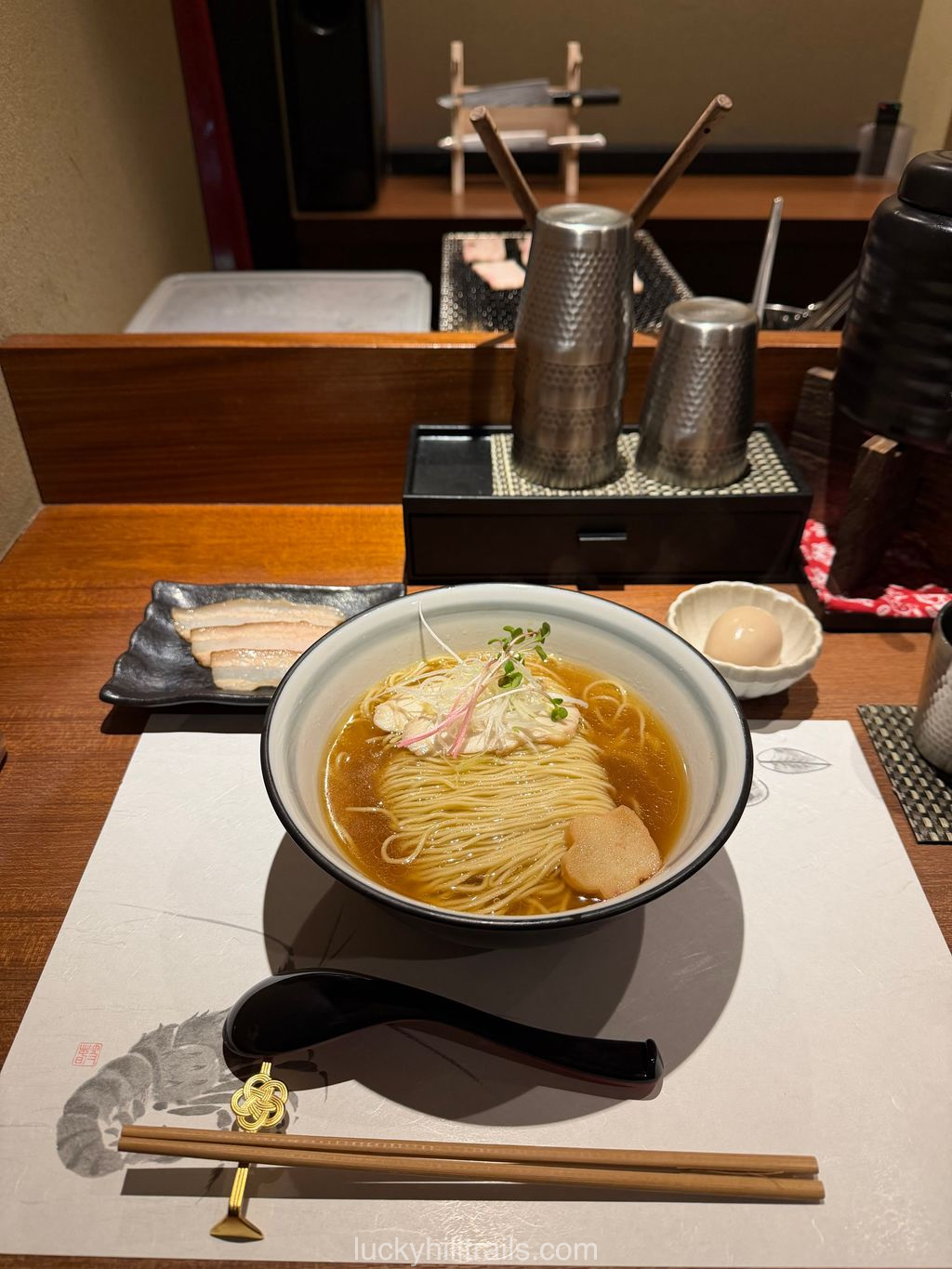
Ramen – rich broth and fresh noodles — one of the best ramen spots in Kyoto.
Fish waffles with custard cream – traditional taiyaki (fish-shaped waffles) with a delicate cream filling — a popular street snack.
Söt Coffee Kyoto Shichijo (Coffee) – a café with signature brewing methods and careful attention to the bean.
Gion ramen Rinrin (Ramen) – another excellent ramen spot well worth trying.
Gion Comeyasu Coffee (Coffee) – another café with a pleasant atmosphere and quality coffee.
Don't just read about it – go!
By booking through my links, you support my work at no extra cost to you. Thank you for helping me keep sharing travel tips 💚