Getting to Osaka from Tokyo and public transport in the city
Getting to Osaka from Tokyo
The most convenient and fastest way to get from Tokyo to Osaka is the Shinkansen (bullet train). We travelled this way and were thrilled — comfortable, fast, and with stunning views of Japan outside the window.
🚄 Route: Tokyo Station → Shin-Osaka Station (Tokaido Shinkansen line, Nozomi or Hikari train)
⏳ Travel time: ~2 h 30 min (Nozomi) or ~3 h (Hikari)
 Train tickets here
or here
Train tickets here
or here
 Please note: Shinkansen tickets can be purchased at station ticket offices or in advance online. The train has both reserved seats and unreserved carriages — during peak season it’s better to book a seat in advance.
Public transport in Osaka
Around Osaka itself, we travelled exclusively by metro — it’s convenient, clean, and covers all the key points of the city. No difficulties with navigation: just open Google Maps, enter your destination — and the app will show you the right line, station, and travel time. Everything is very intuitive.
🚇 Payment: by IC card (Suica, ICOCA) or cash at station ticket offices
💶 Fare: from ~180 yen depending on the distance
📱 Navigation: Google Maps works great across the entire city and shows real-time departure schedules
Places to visit in Osaka
1. Osaka Castle
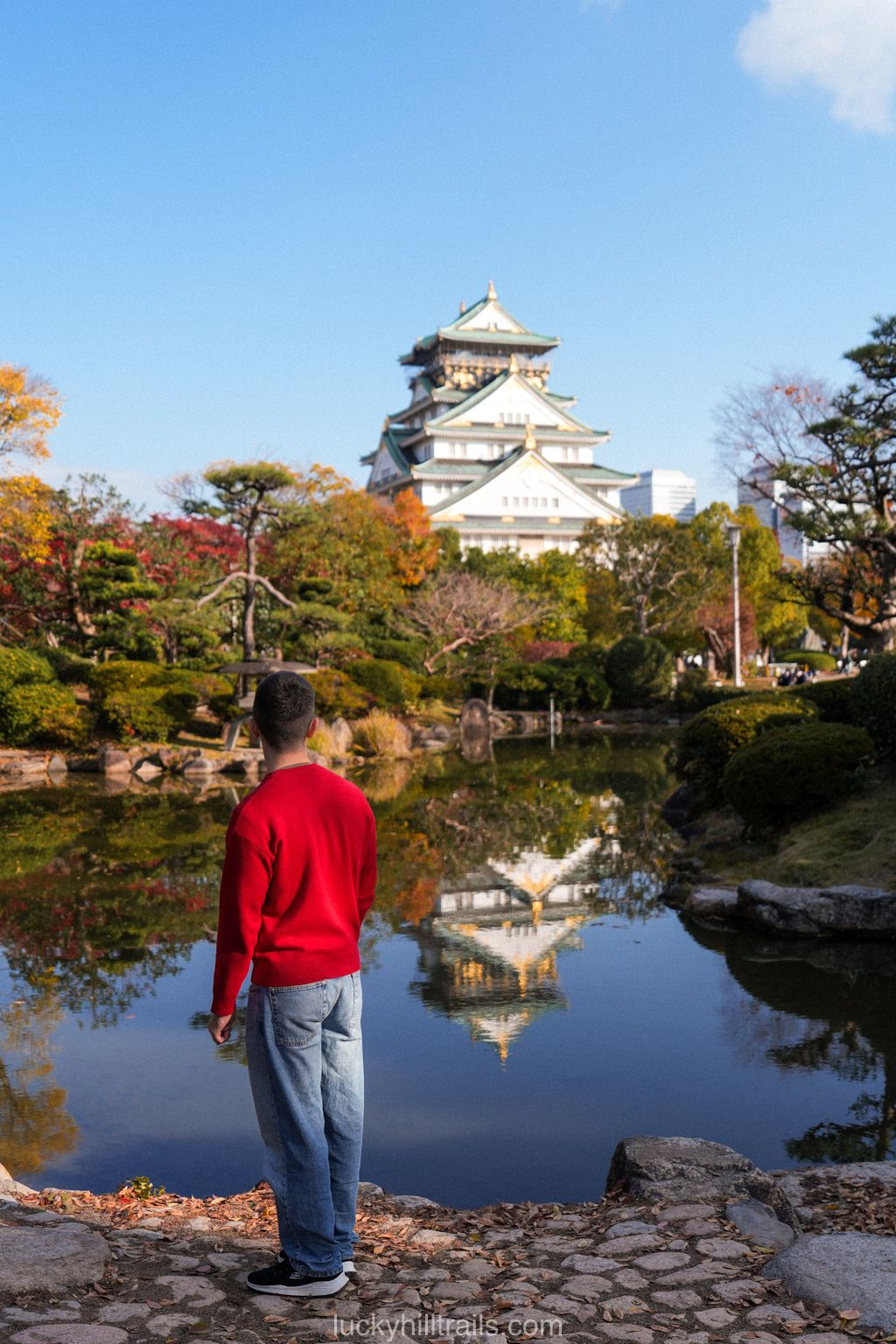
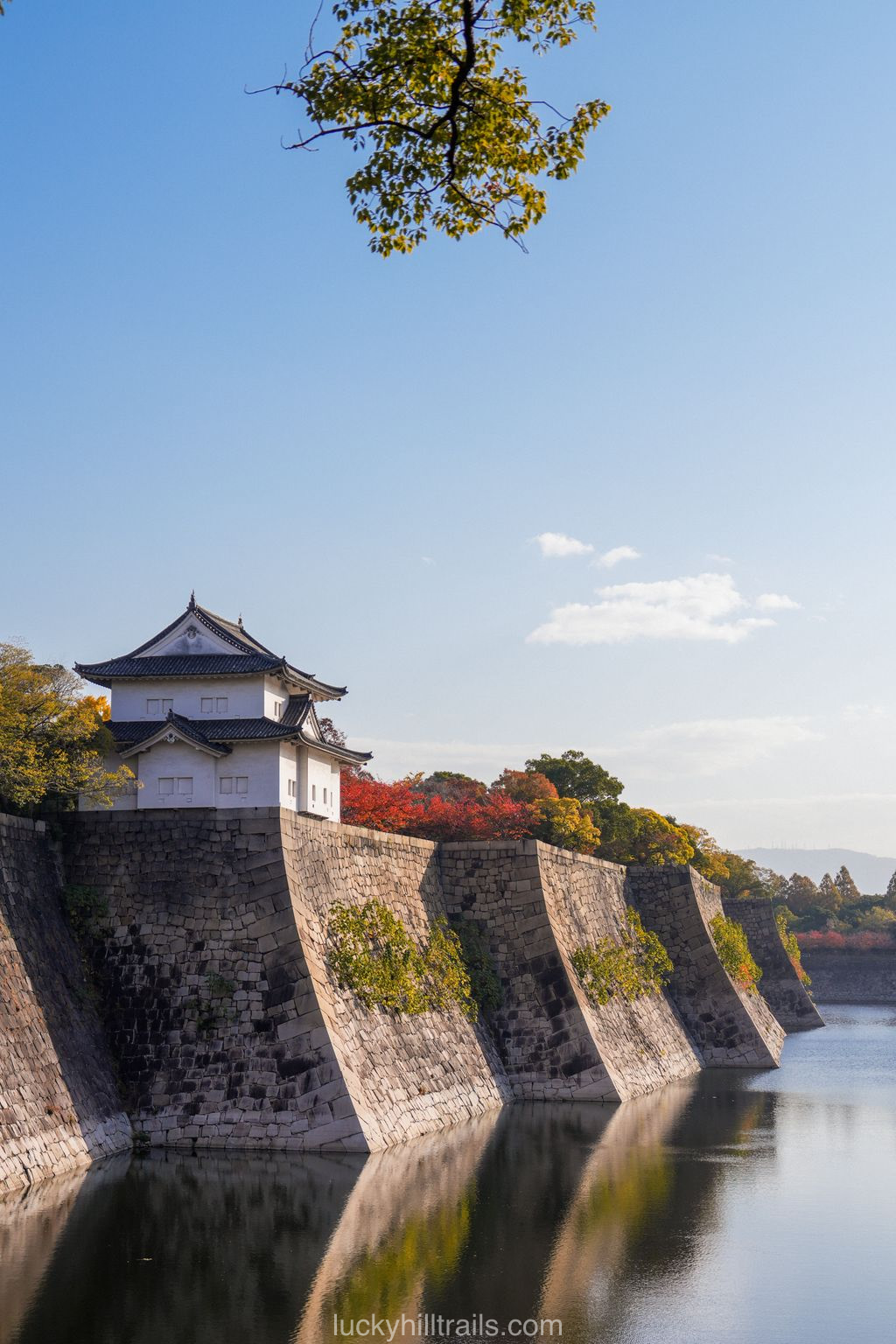
Osaka Castle is one of Japan’s most famous historical landmarks and a symbol of Osaka. The castle is surrounded by massive stone walls, water moats, and a spacious park that is especially beautiful in spring during cherry blossom season. Inside is a museum dedicated to the history of the castle and Toyotomi Hideyoshi, while the top floor offers a panoramic view of the city.
⏳ Museum opening hours: usually 9:00–17:00 (last entry around 16:30, hours may vary by season)
💶 Museum entry: paid
🌳 Castle grounds: open 24/7 and free to visit
Official castle website.
Please note: The best time to visit is in the morning or around sunset, when there are fewer tourists and the light is perfect for photos. In spring, the park around the castle becomes one of the most popular spots for hanami (the Japanese tradition of admiring cherry blossoms 🌸).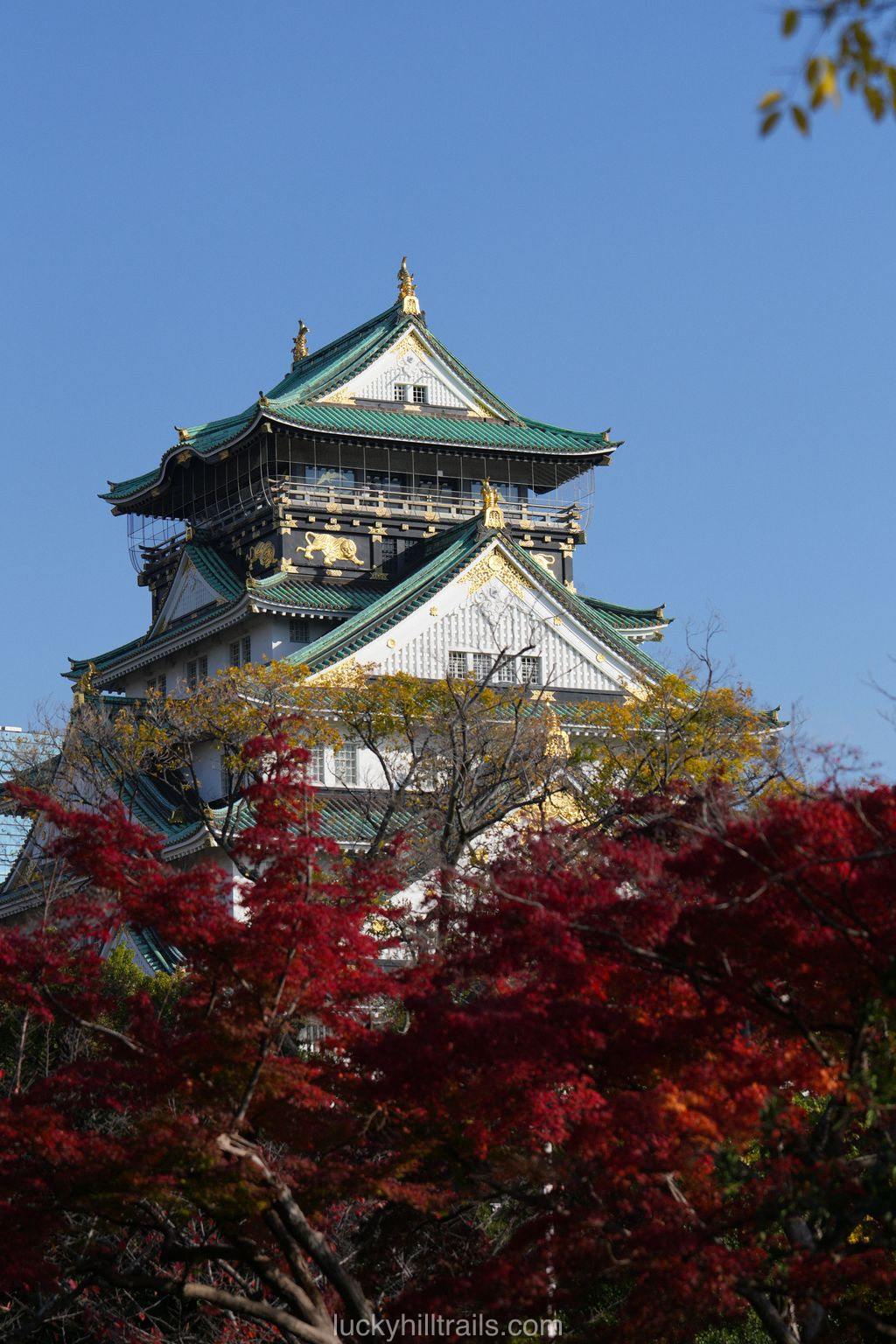
2. Namba Yasaka Shrine
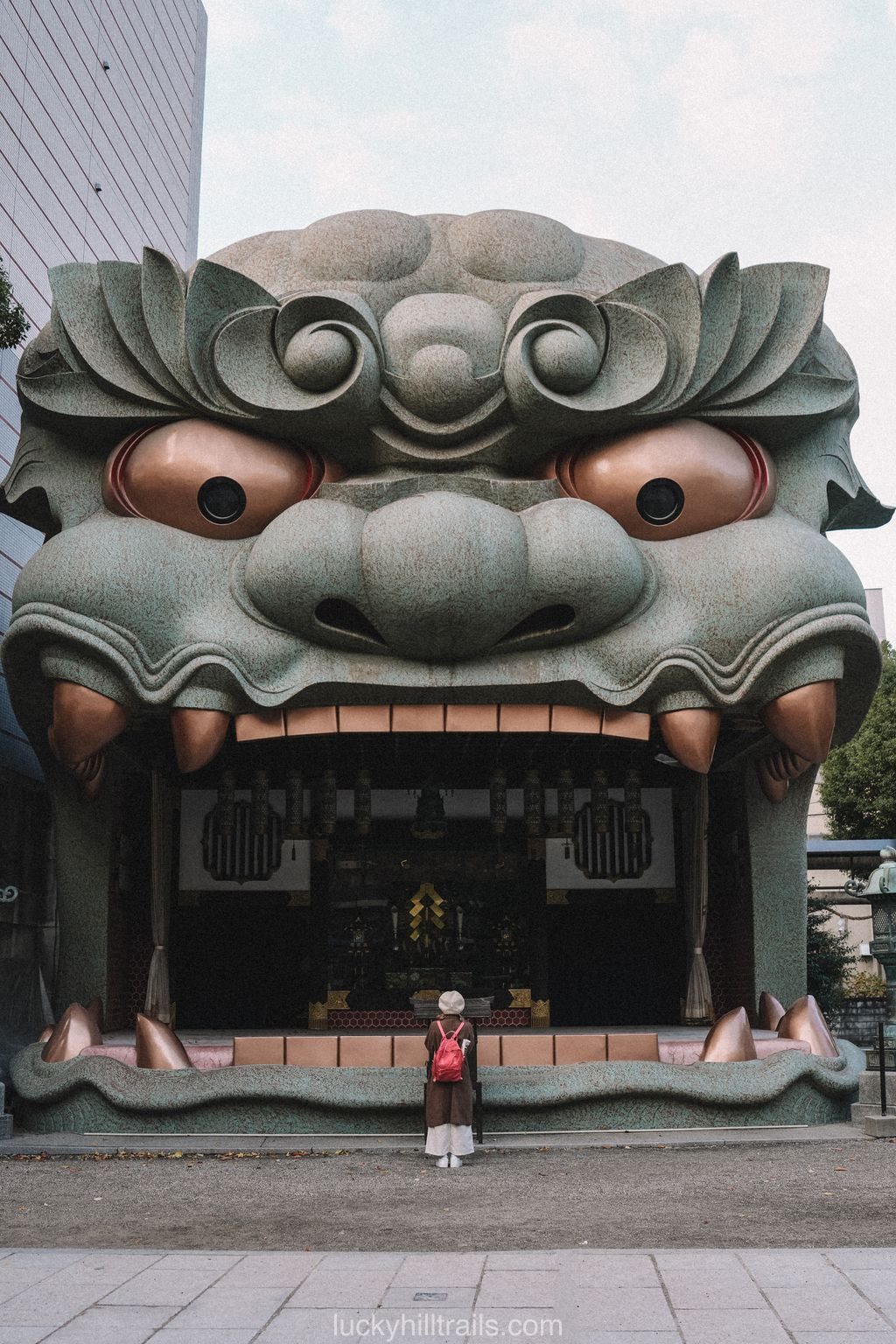
Namba Yasaka Shrine is a unique Shinto shrine known for its enormous lion head, which serves as a stage for various religious and cultural events. The lion’s head symbolises the expulsion of evil spirits and attracts good fortune. The shrine is located in the Namba district, making it easy to combine a visit with a stroll through central Osaka.
⏳ Opening hours: usually 6:30–17:00
💶 Entry: free
🌳 Shrine grounds: small, with several photo and prayer areas
Namba Yasaka Shrine website.
Please note: The most popular time to visit is in the morning, when you can take photos without crowds. The shrine is especially vibrant during festivals and festive ceremonies, when the lion is decorated with various ornamental elements.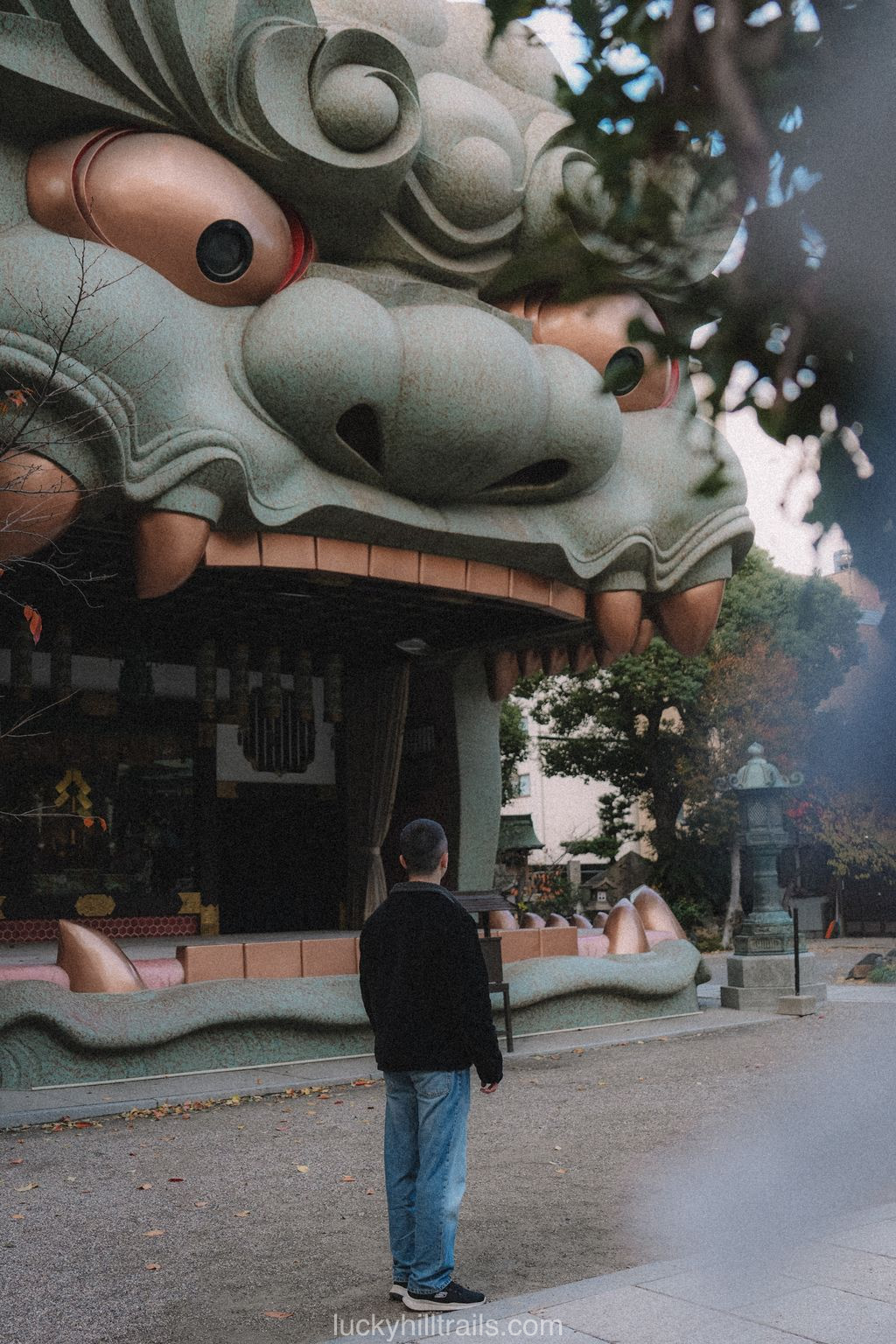
3. Shitennō-ji Temple
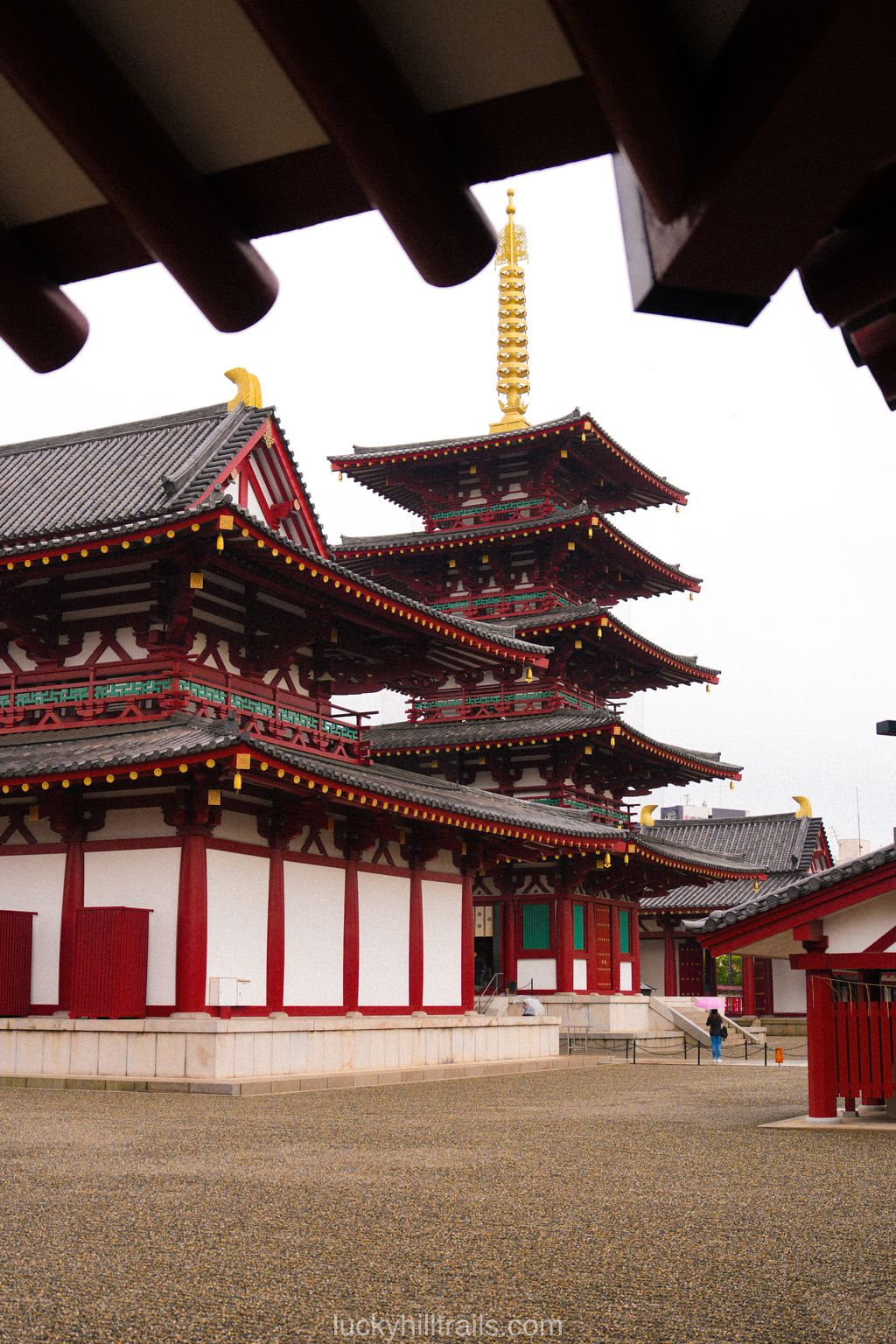
Shitennō-ji Temple is one of Japan’s oldest Buddhist temples, founded in 593 by Prince Shotoku. The temple features traditional Japanese architecture with a five-storey pagoda, main gates, and inner courtyards. Here you can feel the peaceful atmosphere of ancient Osaka and witness classic Buddhist religious ceremonies.
⏳ Opening hours: 8:30–16:30
💶 Entry: main complex is paid (~300 yen), surrounding grounds are free
🌳 Temple grounds: several inner courtyards and gardens to walk through
Shitennō-ji Temple website.
Please note: Don’t miss the pagoda and the museum on the grounds, where you can learn more about the temple’s history and Buddhism in Japan.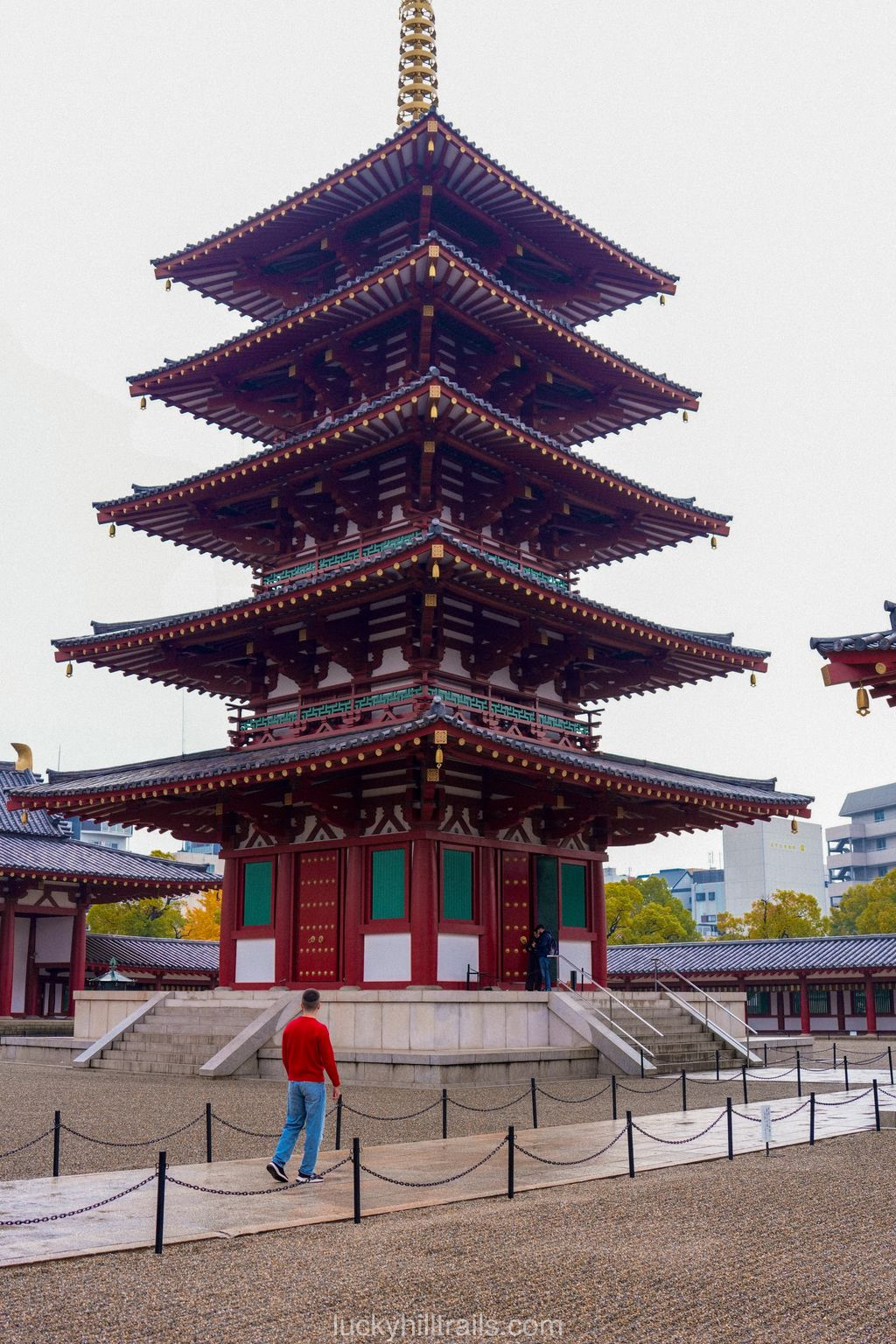
4. Katsuo-ji Temple
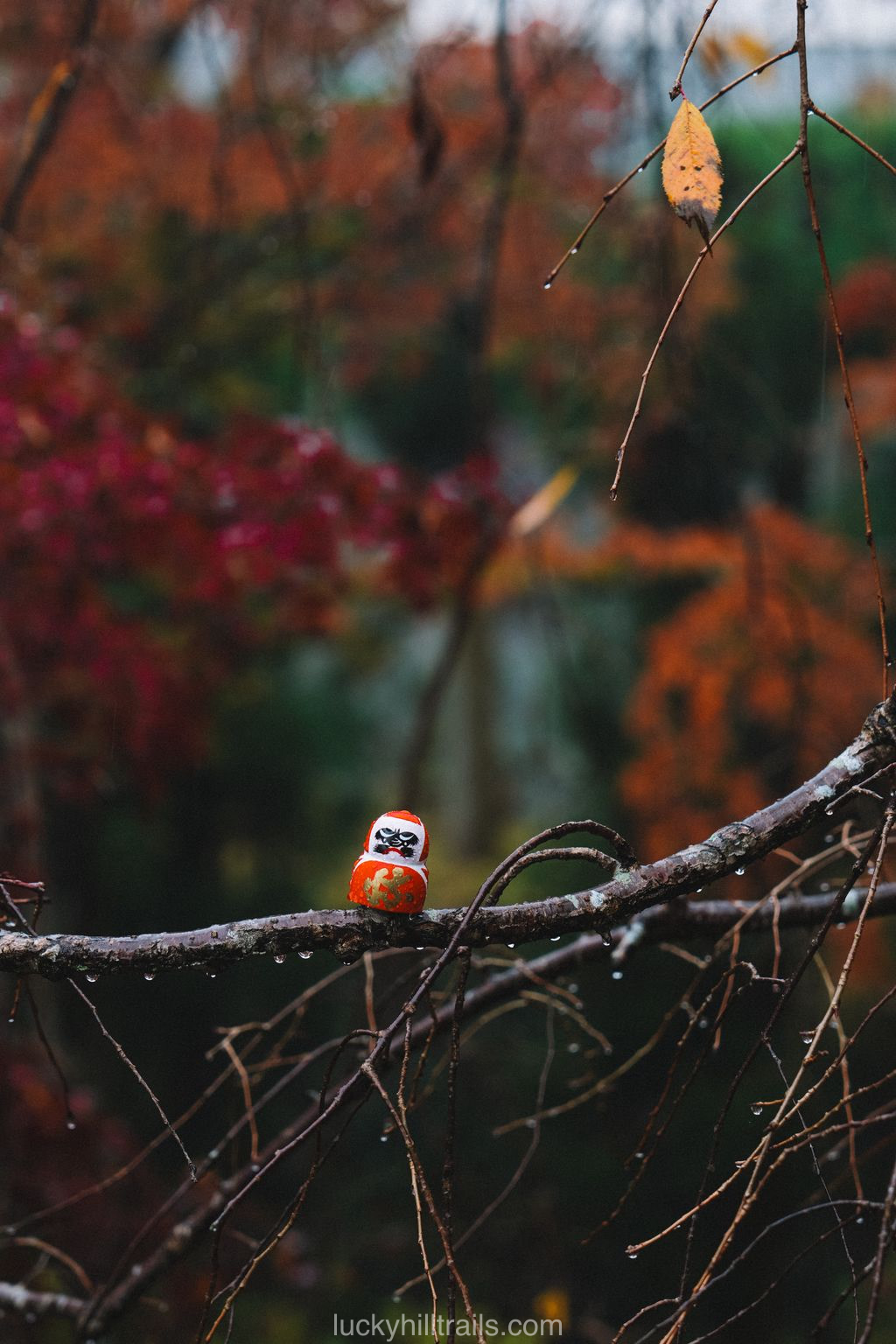
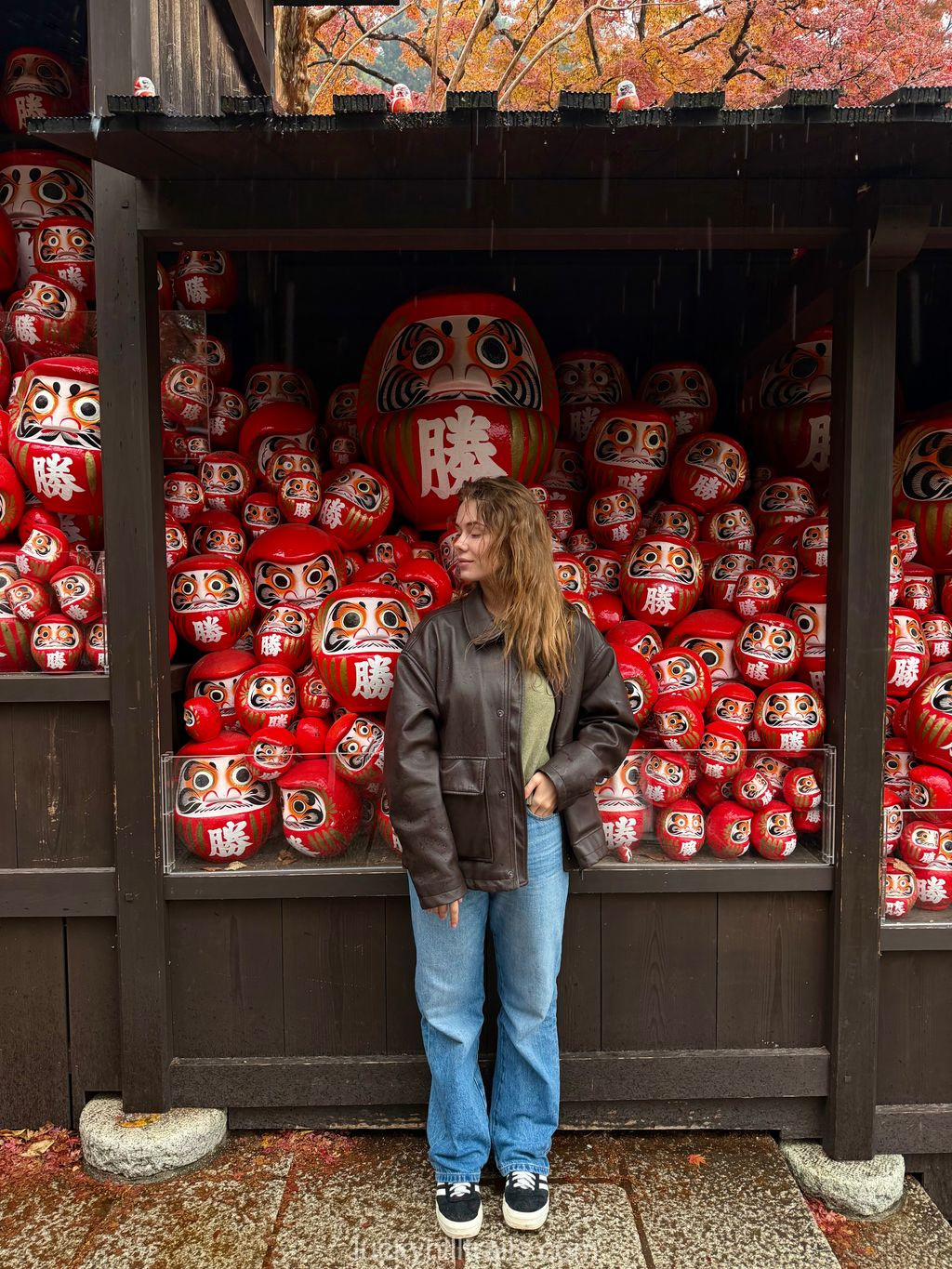
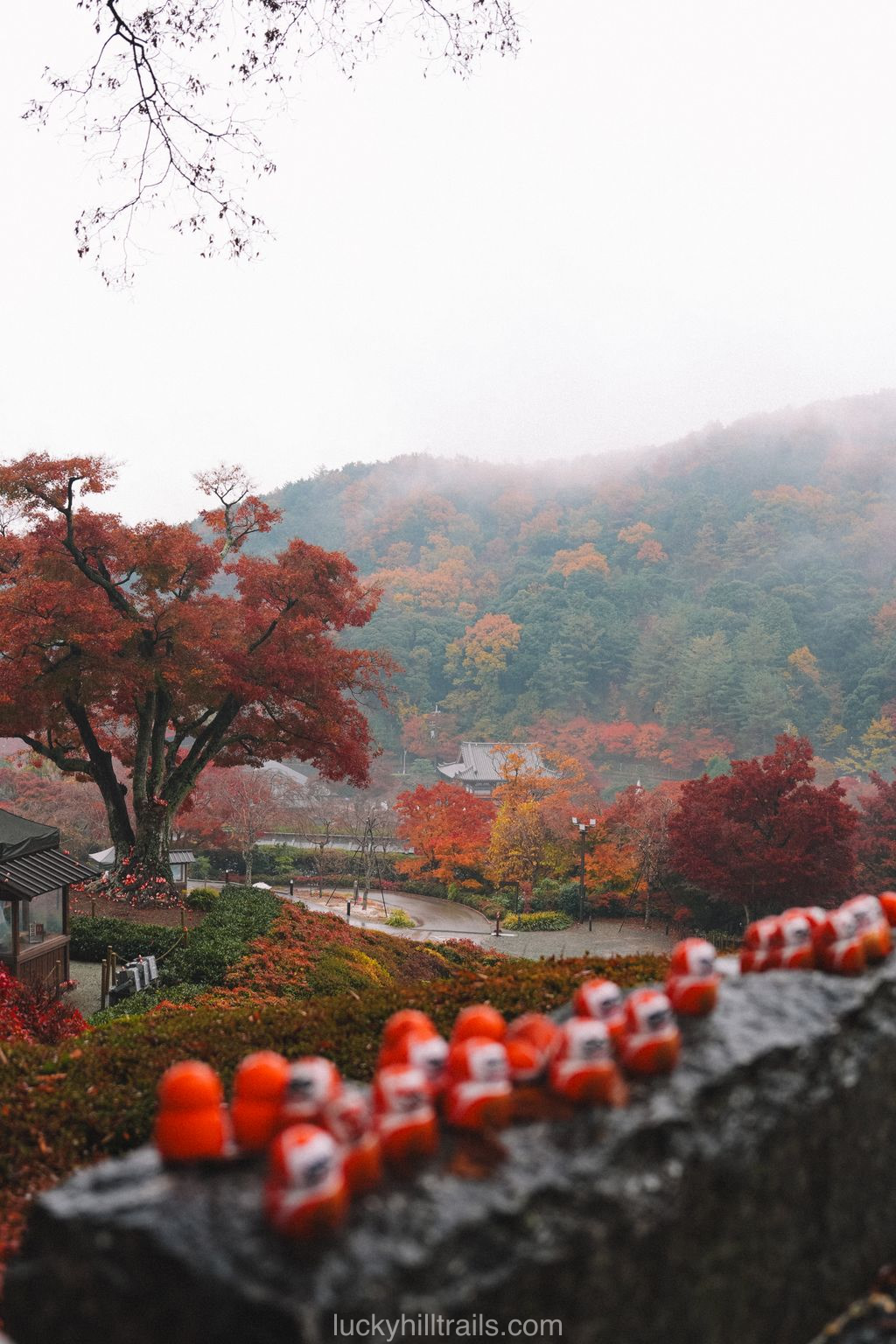
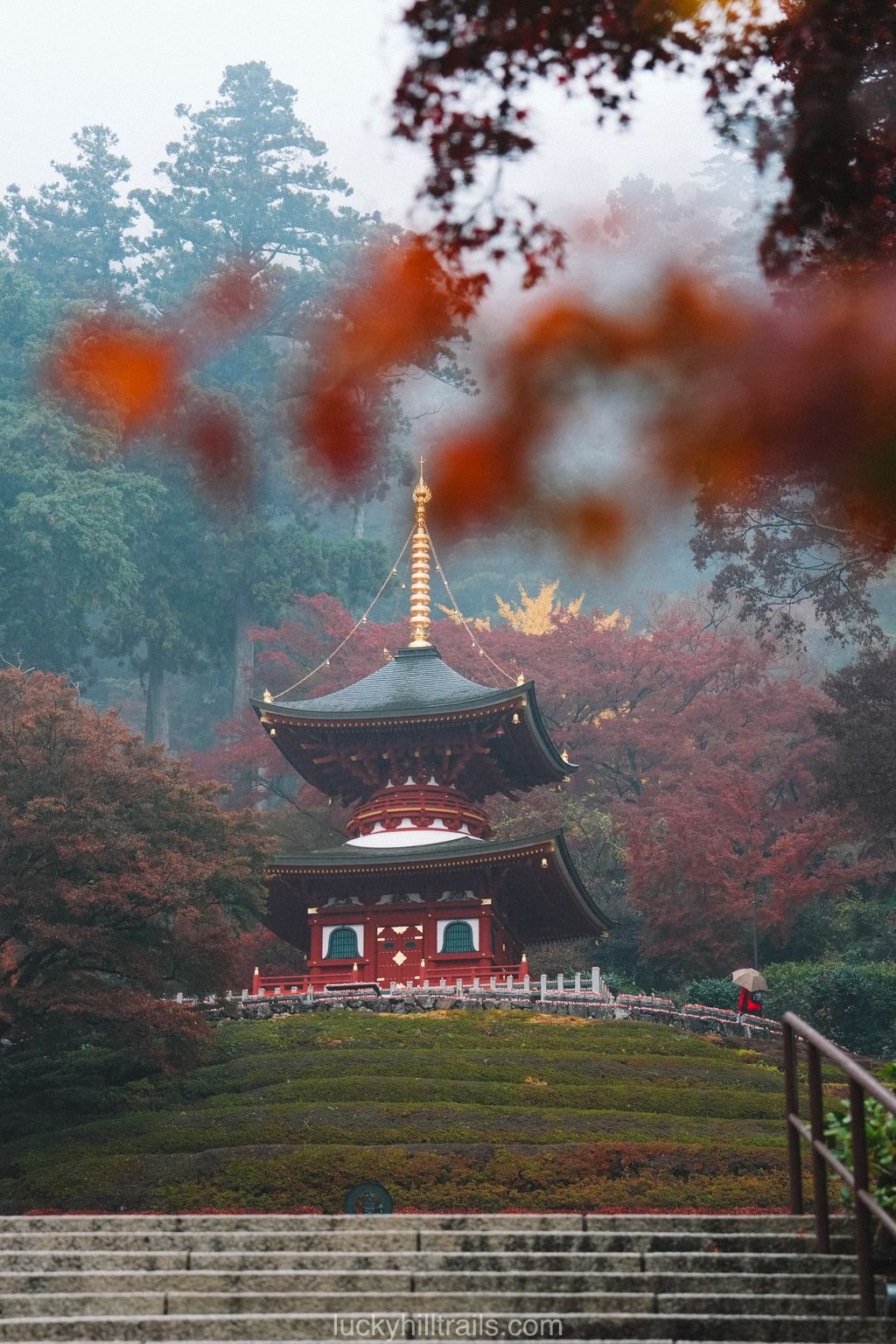
Katsuo-ji Temple is an ancient Buddhist temple founded in 727, set among the Minoh mountains north of Osaka. The temple is famous for its hundreds of daruma dolls — vivid symbols of victory and perseverance — scattered throughout its picturesque forest grounds. The tradition is simple: a visitor buys their own daruma, makes a wish, and leaves it at the temple; if the wish comes true, they return with gratitude. Surrounded by dense forest, the temple is especially stunning in autumn when the leaves turn rich shades of red and orange.
Stamp Rally: At the temple entrance, you’re given a blank postcard — and as you explore the grounds, you collect stamps at special stations. Once you’ve gathered them all, a complete illustration appears on the postcard. A wonderful souvenir and the perfect reason to explore the entire temple!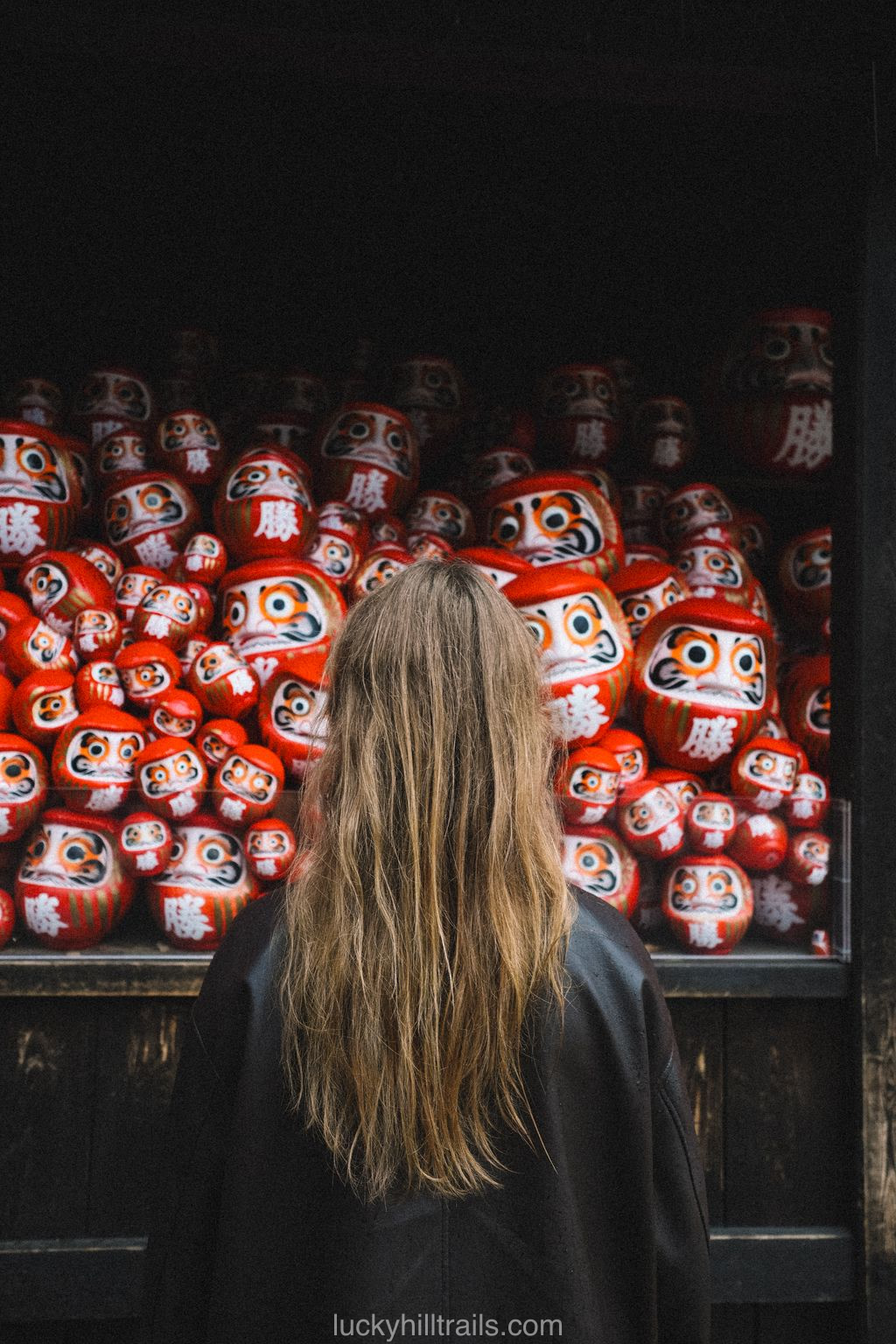
⏳ Opening hours: 8:00–17:00
💶 Entry: paid (~500 yen for adults)
🌳 Temple grounds: a large forest complex with hundreds of daruma dolls, a pond, and several pavilions
Please note: To get to the temple, you can take a bus from Minoh-kayano Station, but buses only start running from 9:00. We decided to take a taxi from Minoh-kayano Station. Katsuo-ji Temple website.
5. Shinsekai
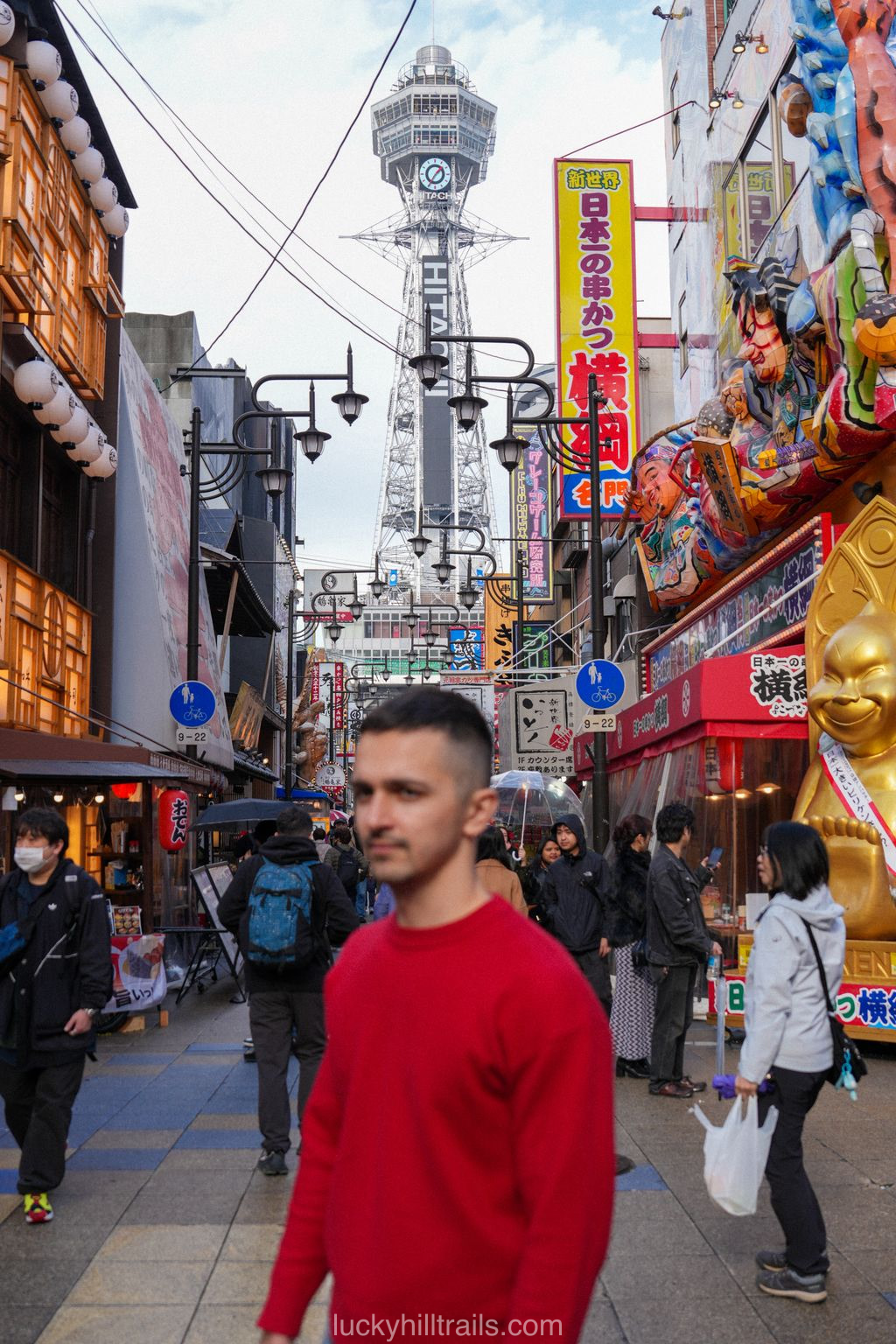
Shinsekai (新世界, “New World”) is one of Osaka’s most colourful and authentic neighbourhoods. It blends the spirit of old Osaka with retro aesthetics: narrow streets with bright signs, restaurants serving fugu and kushikatsu (fried skewers in breadcrumbs), arcade machines, small barbershops, and souvenir shops. There are far fewer tourists here than in Namba, and far more genuine city atmosphere.
Please note: Shinsekai is best visited in the evening — the signs and lighting of the Tsūtenkaku tower create an unforgettable atmosphere. Be sure to try kushikatsu at one of the local restaurants — it’s the neighbourhood’s culinary calling card.6. Tsūtenkaku
Tsūtenkaku is an iconic 103-metre tower and the main symbol of the Shinsekai district. You can go up to the observation deck for a panoramic view of the city. But the real highlight is the Tower Slider — an exhilarating slide that takes you from the 22nd floor inside the tower all the way down to the street. It’s a unique and incredibly fun experience you won’t forget.
⏳ Opening hours: 10:00–20:00 (last entry at 19:30)
💶 Observation deck entry: paid (~1,500 yen for adults)
🎢 Tower Slider: separate ticket (~1,000 yen), available at the ticket office
Official Tsūtenkaku website.
7. Shopping in Osaka: Shinsaibashisuji, American Village and Orange Street
Osaka is one of Japan’s best cities for shopping. Three locations close to one another form a complete shopping route that can be covered in a single day.
Shinsaibashisuji – Osaka’s most famous covered shopping street, stretching over 600 metres. It gathers shops for every taste: from Japanese chain brands and cosmetics stores to souvenirs and street food. This is the heart of the Minami shopping district, always busy and lively.
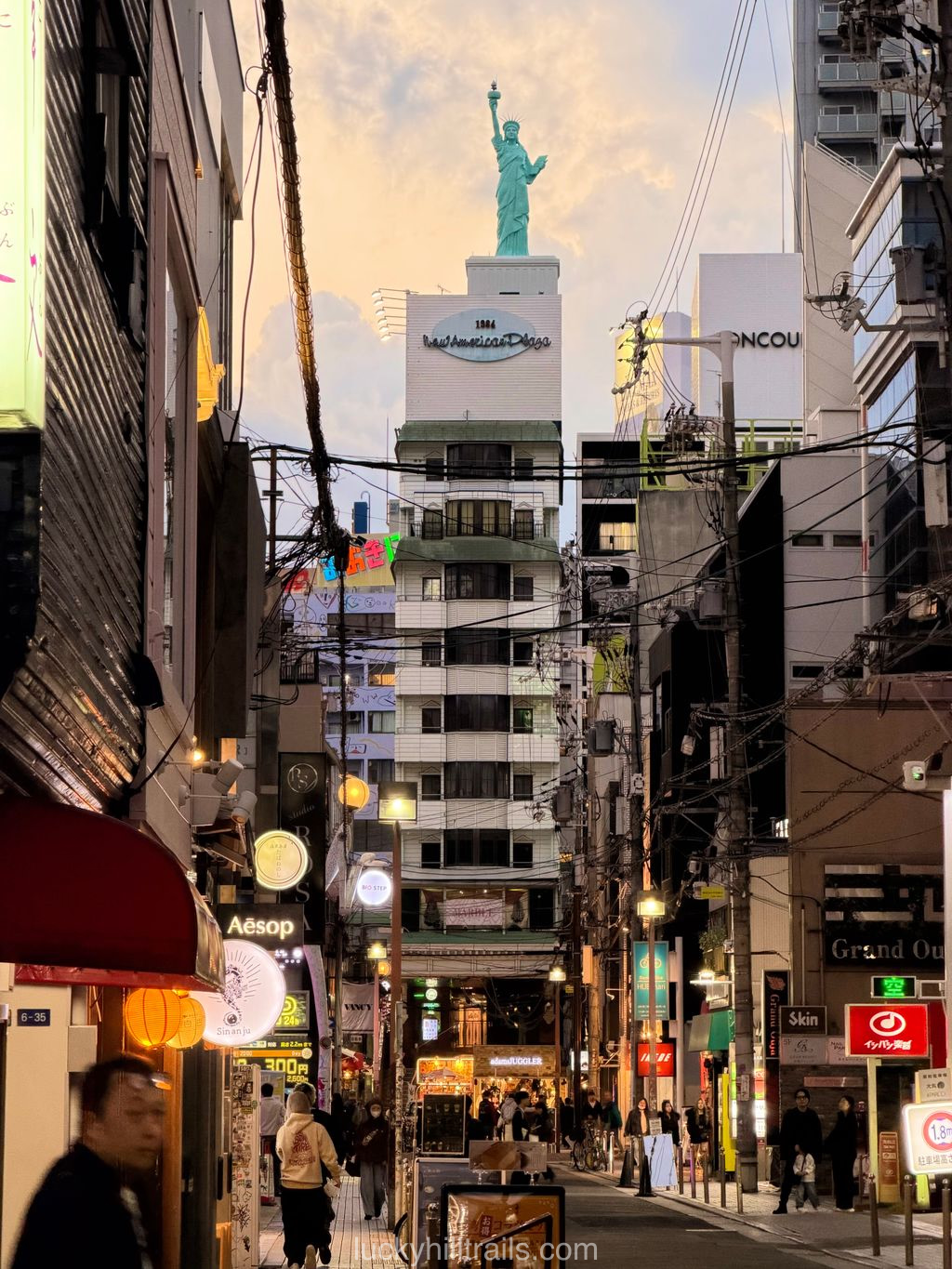
American Village (Amerikamura) – a youth district near Shinsaibashisuji with the atmosphere of American pop culture from the 80s and 90s. It’s home to vintage clothing shops, street fashion brands, independent boutiques, and cafés. At the centre of the neighbourhood is the small Triangle Park square, where young people always hang out.
Orange Street (Minami Horie) – a quiet and stylish street for those looking for something special. It features designer furniture showrooms, galleries, concept cafés, and shops with unique handcrafted items. The atmosphere is much calmer than in neighbouring American Village — the perfect place for a leisurely stroll.
8. Kuromon Ichiba Market
Kuromon Ichiba is a covered food market stretching about 600 metres, known since the 19th century as the “kitchen of Osaka”. It has over 170 stalls and kiosks offering fresh seafood, meat, vegetables, fruit, and ready-made dishes. Crabs, scallops, oysters, tako, yakitori — most vendors prepare food right on the spot, and you can eat as you walk.
⏳ Opening hours: most stalls 9:00–18:00 (some close earlier)
💶 Entry: free, you only pay for food
Please note: It’s best to come in the morning — that’s when the selection is largest and the produce is freshest. On weekends the market gets very crowded, so weekdays are much more comfortable.9. Dotonbori and Ebisu Bridge
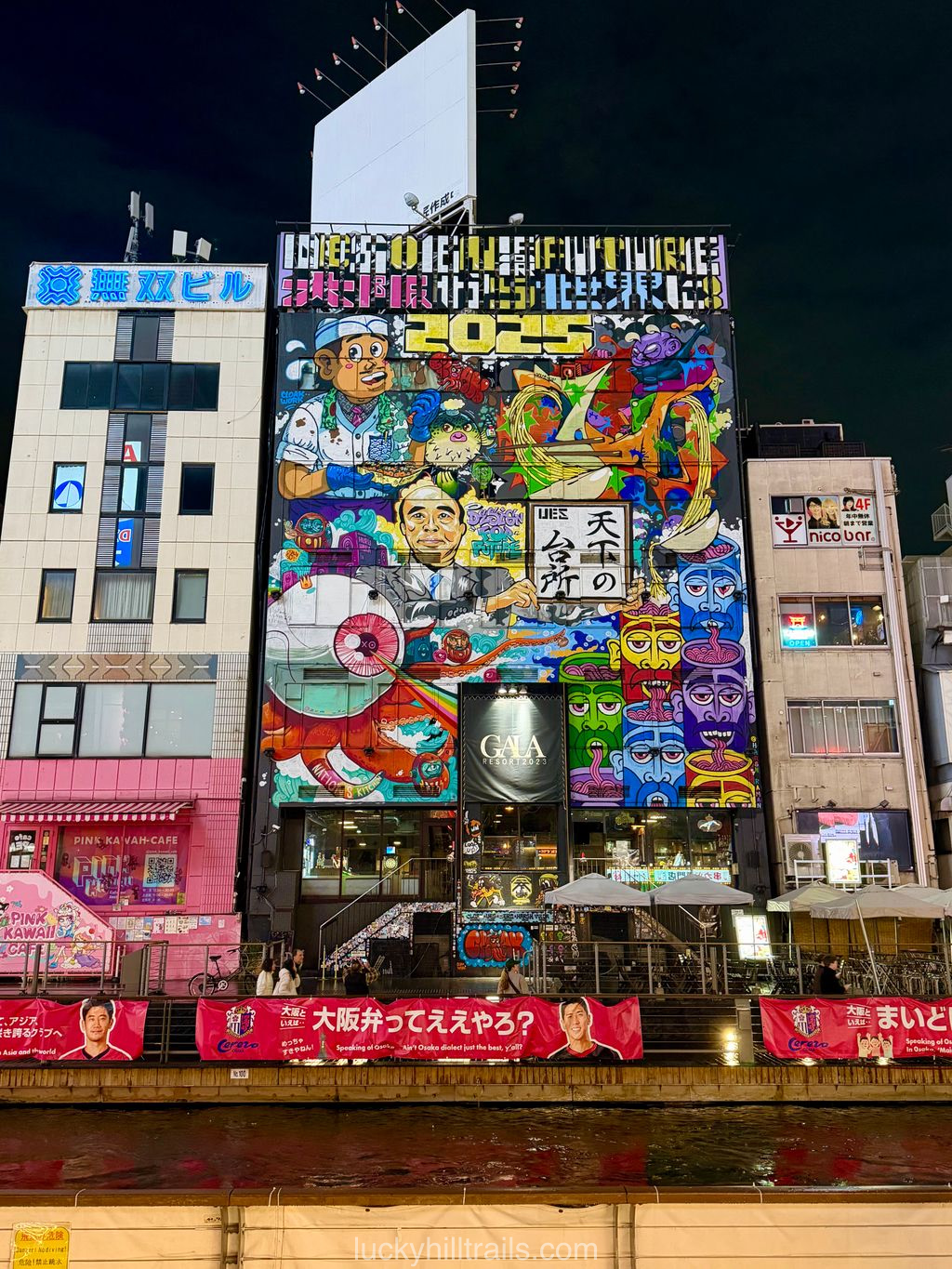
Dotonbori is Osaka’s main tourist street, stretching along the canal of the same name. Bright neon signs, giant advertising figures — a crab, an octopus, ramen — and an endless choice of street food: it’s loud, colourful, and incredibly atmospheric all at once. Dotonbori is the image most often found on photos in Osaka guidebooks.
At the centre of the street is Ebisu Bridge, probably the most famous photo spot in the entire city. From the bridge you get the iconic view of the canal and neon signs. Directly opposite the bridge, the Glico Man glows brightly on a building — a runner with arms raised in triumph, the Glico company’s logo since 1935. Posing like him with arms outstretched is an unofficial tradition for every visitor to Osaka.
Please note: Dotonbori looks most spectacular after sunset, when all the signs are lit up. If you want to take photos without a crowd — come early in the morning.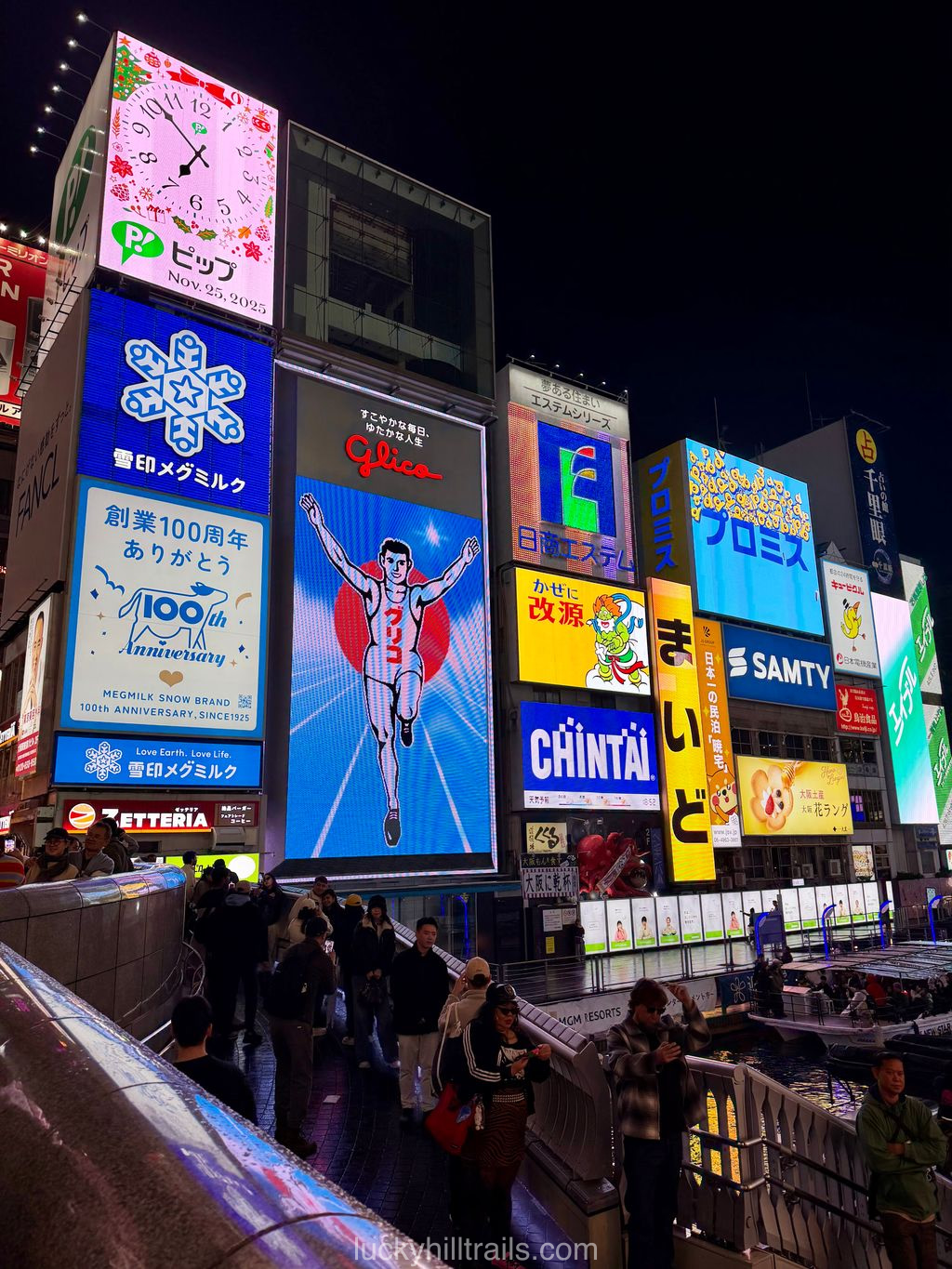
10. Universal Studios Japan
Universal Studios Japan (USJ) is one of Asia’s most popular theme parks, located in Osaka. It features rides and attractions based on iconic franchises: Harry Potter, Mario, Minions, Jurassic Park, Spider-Man, and more. The park is huge — a full day is needed to see everything, and ideally two.
The main highlight is The Wizarding World of Harry Potter: a full-scale replica of Hogsmeade with shops, magic wands, and a ride inside Hogwarts Castle. Also worth visiting is the Super Nintendo World zone — a vibrant interactive world of Mario with rides and quests.
Express Pass: The most popular rides can have queues of 1–2 hours. There’s a paid Express Pass option — separate tickets for fast entry without waiting. If your budget allows, it’s worth getting one at least for Harry Potter and Nintendo World.⏳ Opening hours: usually 9:00–21:00 (varies by season, check the website)
💶 Entry: paid, tickets are best purchased in advance online
🚃 Getting there: direct JR Yumesaki Line to Universal City Station

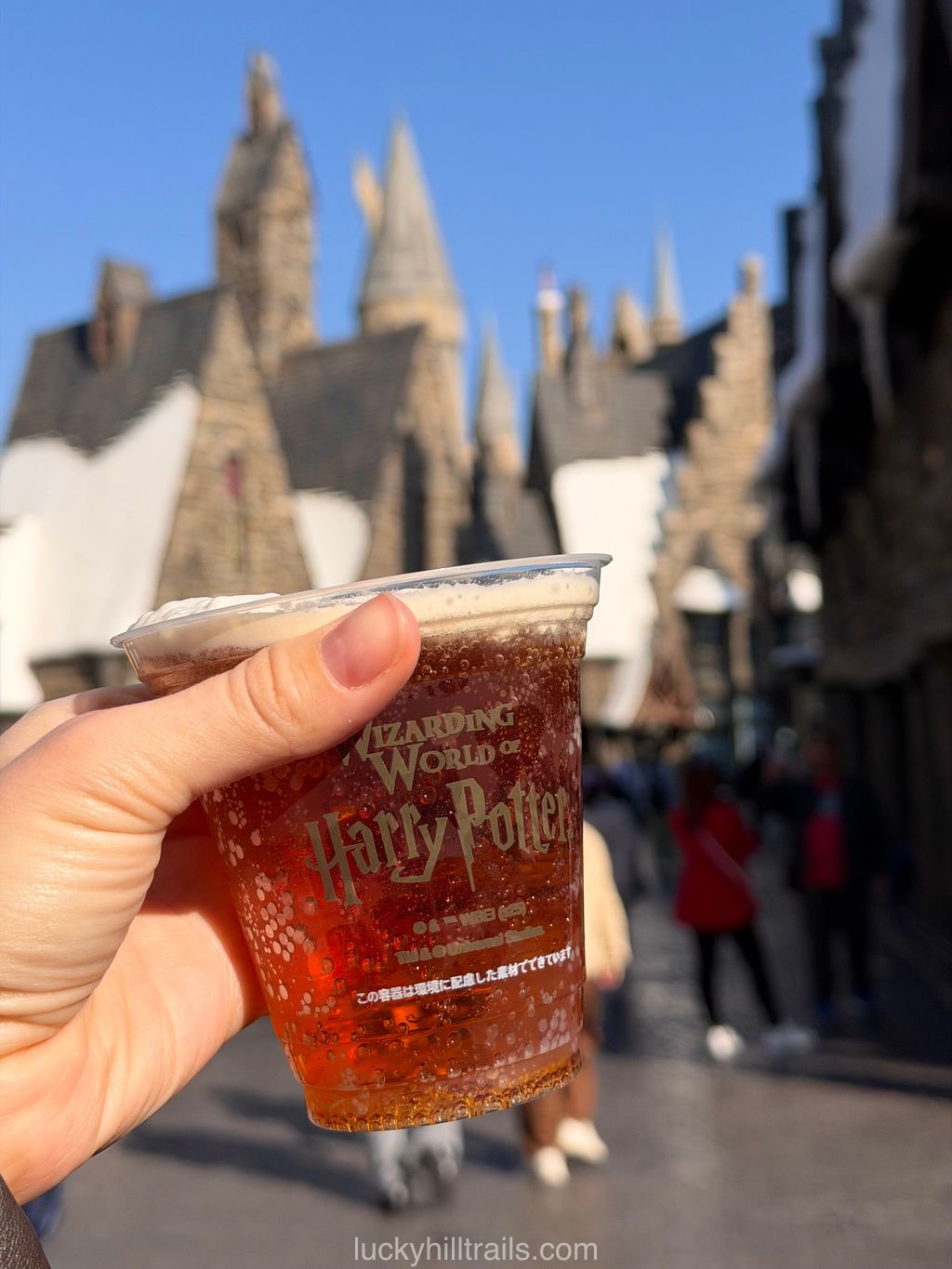 Better in the afternoon: We noticed that queues noticeably shorten in the second half of the day — most visitors arrive in the morning, so after 15:00 it gets significantly quieter. Official Universal Studios Japan website.
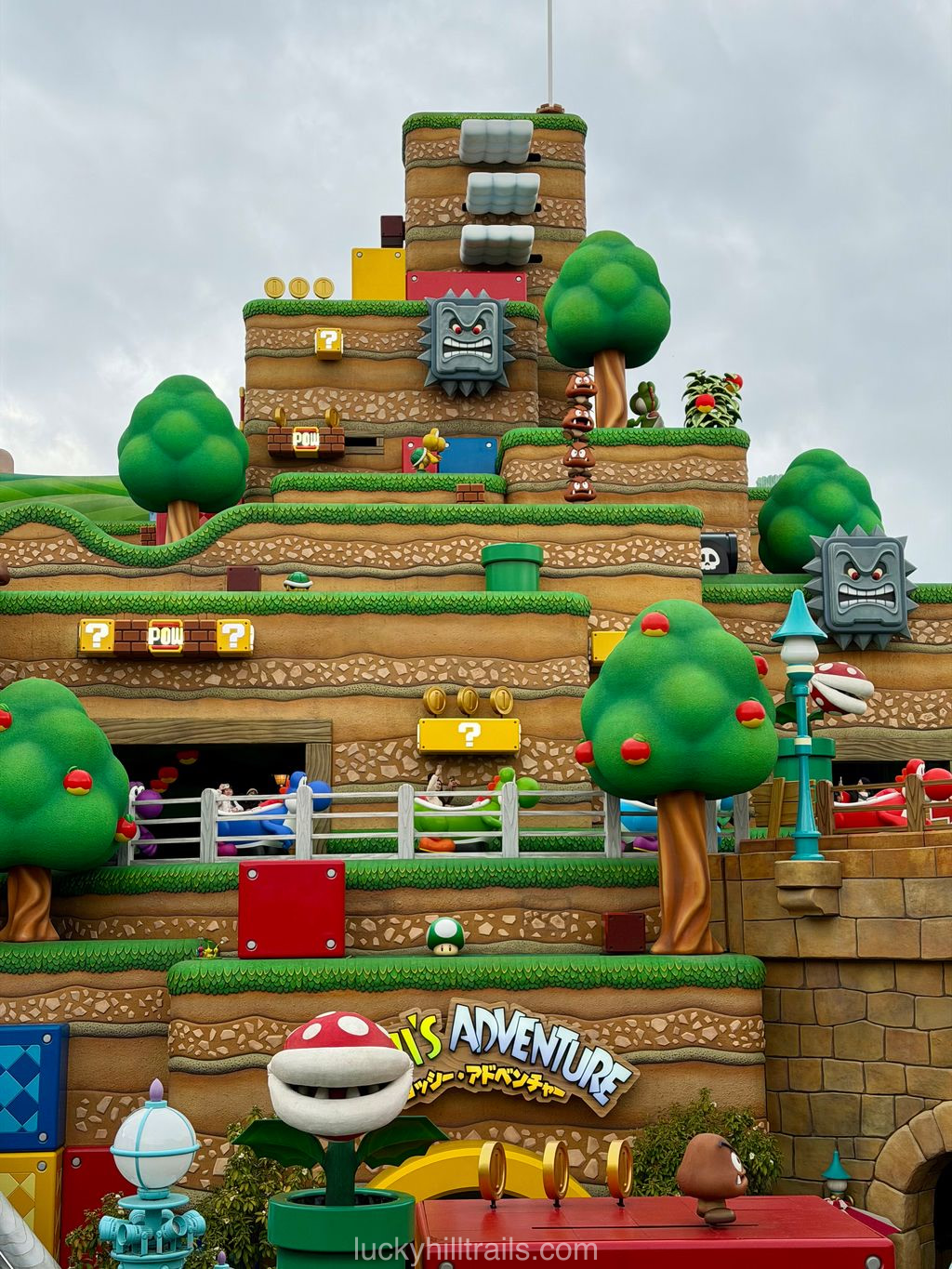
 Check the schedule in advance: Make sure to check on the official website which attractions will be open during your visit — some may be undergoing maintenance. We experienced this ourselves, so it’s better to know ahead of time.
11. A Day Trip to Nara Park
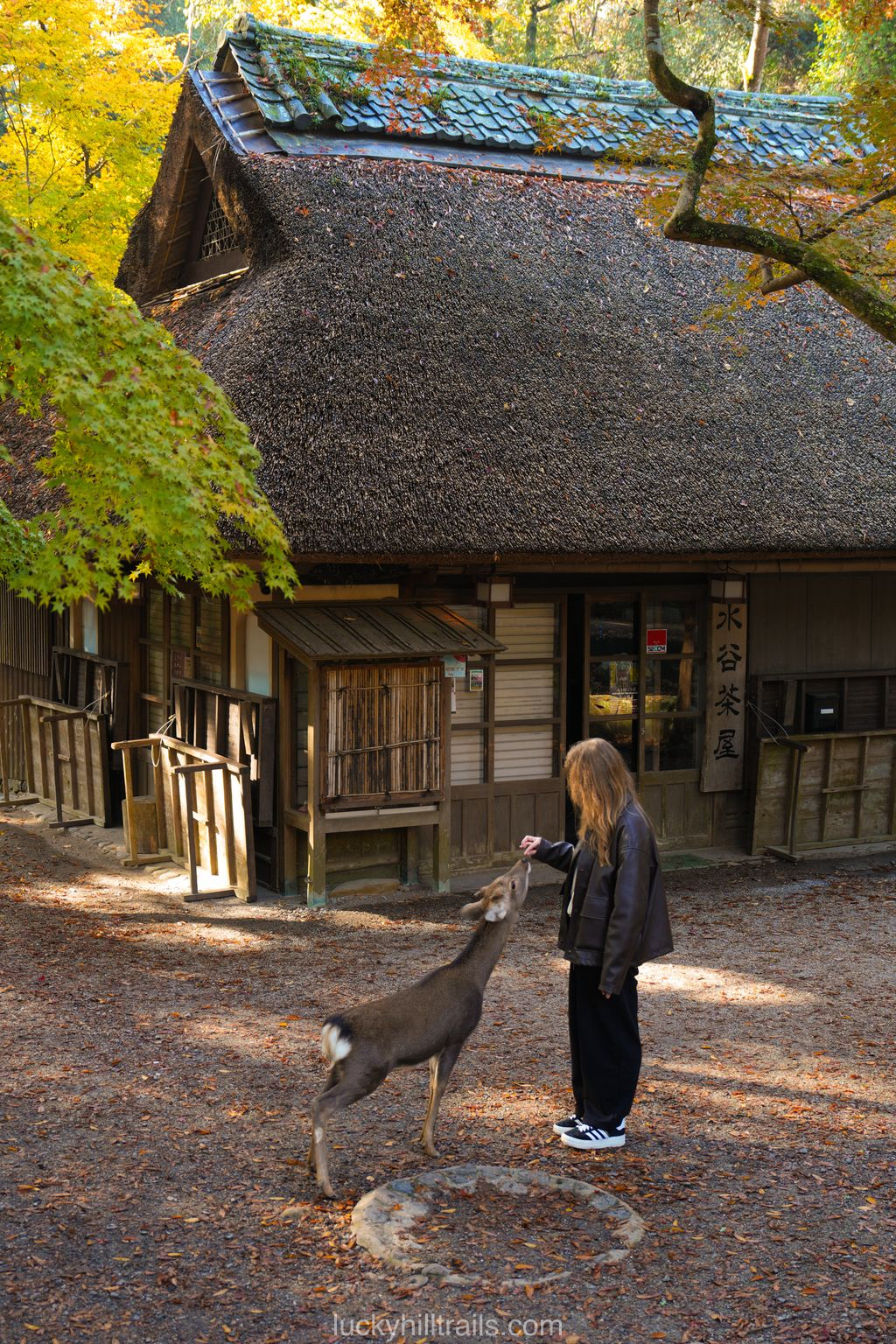
From Osaka, it’s very easy to make a day trip to Nara — an ancient Japanese capital where sacred deer roam freely through the streets. Nara Park, the giant Buddha statue in Todaiji, and peaceful temples surrounded by forest — all just 40–50 minutes from Osaka.
Getting there: the most convenient way is by Kintetsu Limited Express from Osaka-Namba or Kintetsu Osaka station to Kintetsu Nara station (about 40 minutes, no transfers). Full guide to Nara — route, temples and tips.
Cafes and restaurants
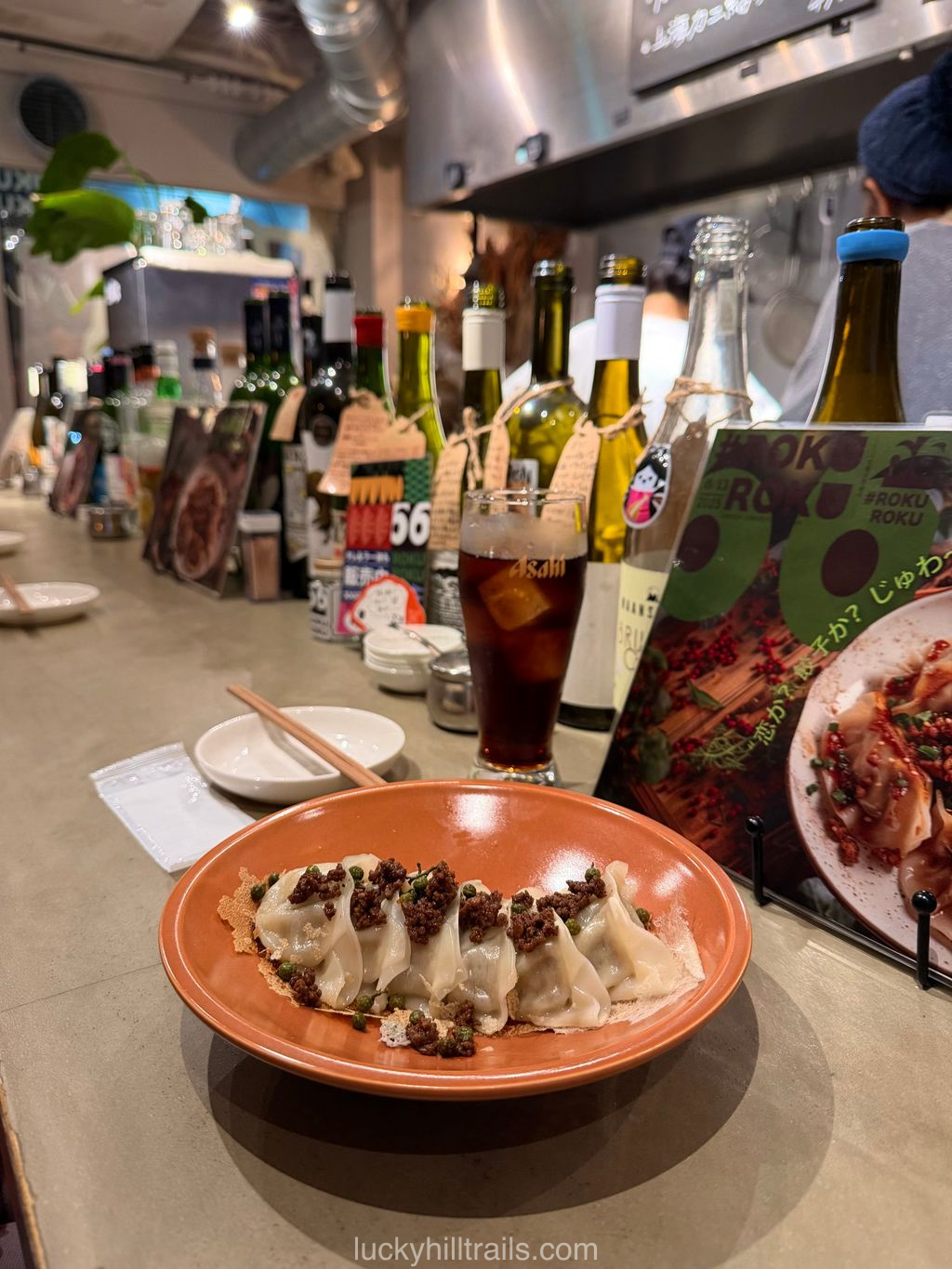
#ROKUROKU餃子バル – delicious fried dumplings (gyoza) in Japanese style.
pablo-cheese tart – famous Japanese cheese tarts with a delicate texture and rich flavour.
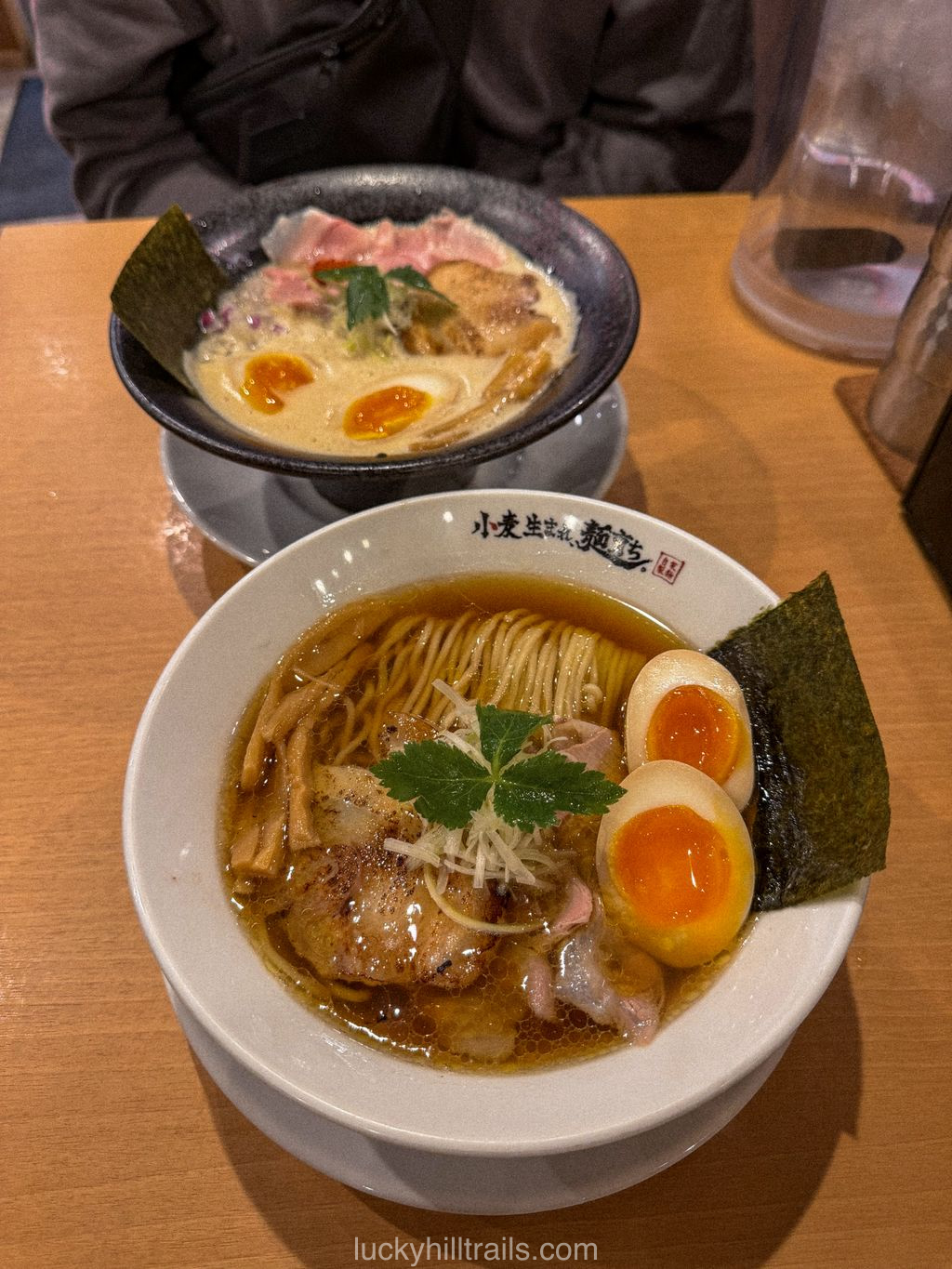
Komugi Umare Men Sodachi – incredible ramen with rich broth and fresh noodles.
DAIBAN COFFEE nanoniwa – a café with a wide selection of coffee varieties and special brewing methods.
Don't just read about it – go!
By booking through my links, you support my work at no extra cost to you. Thank you for helping me keep sharing travel tips 💚